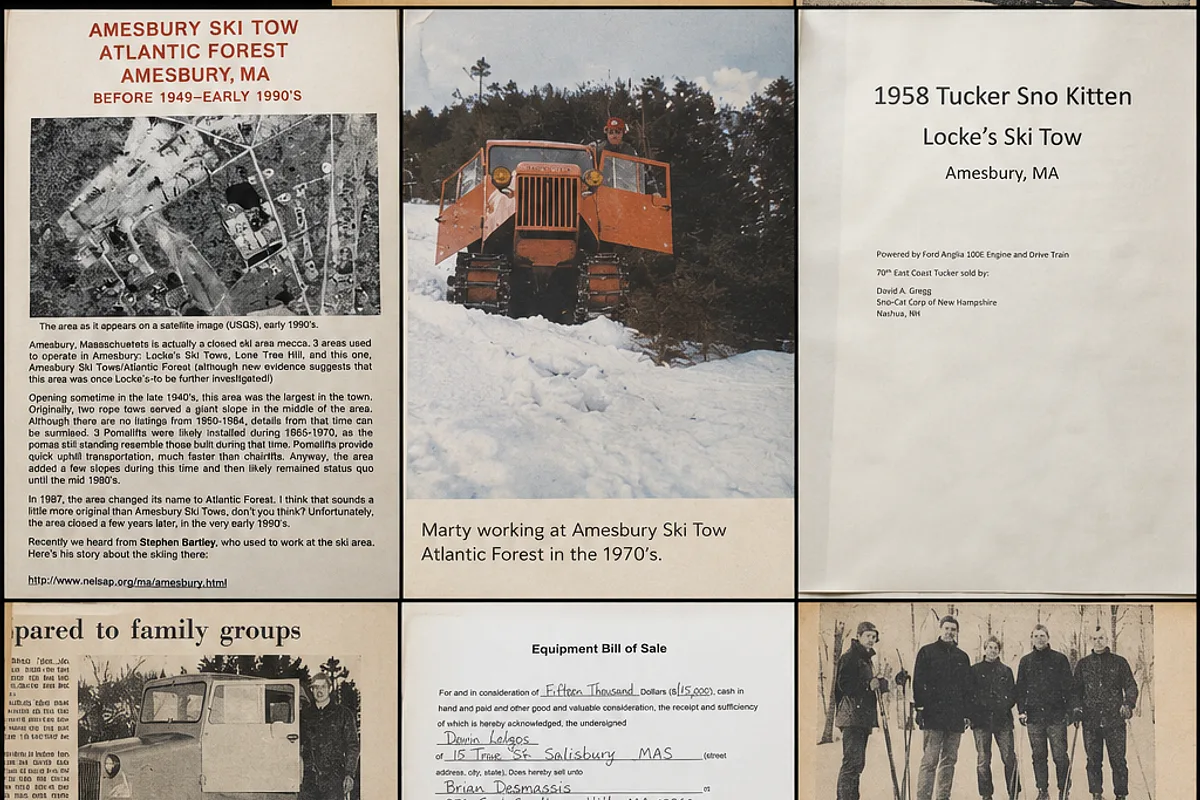
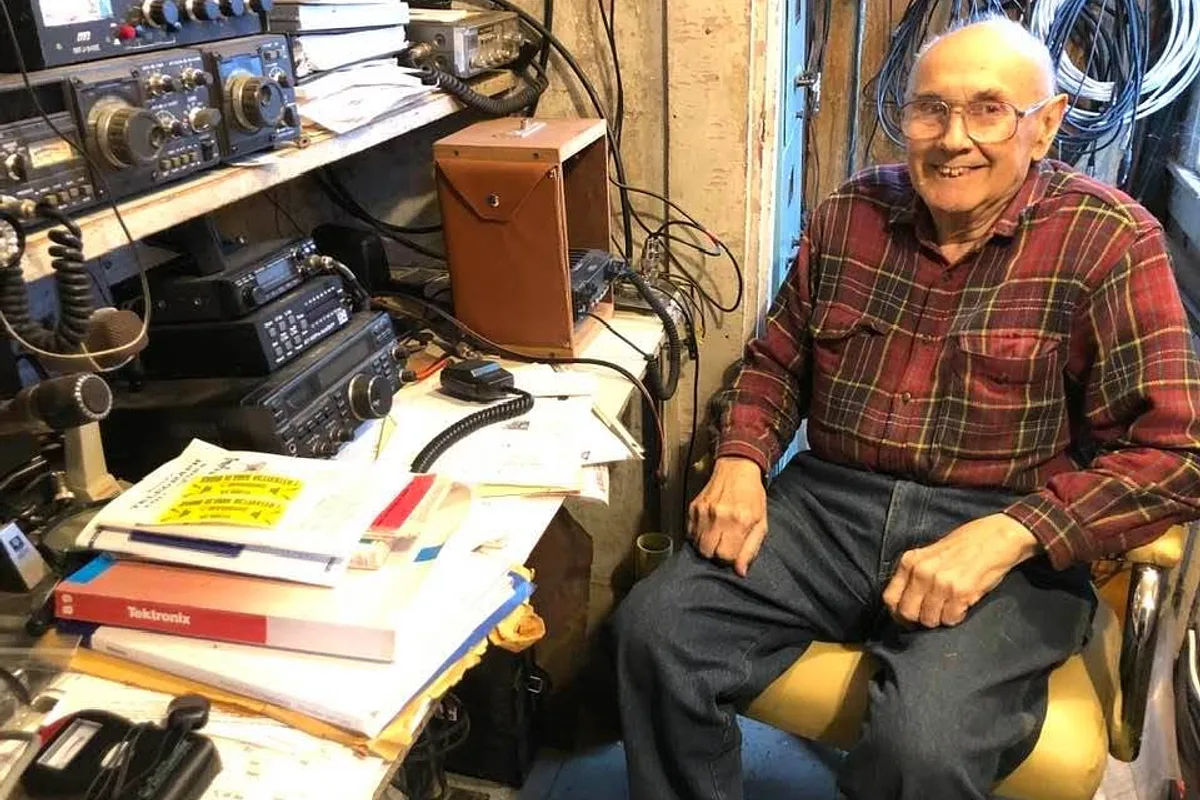
Marty

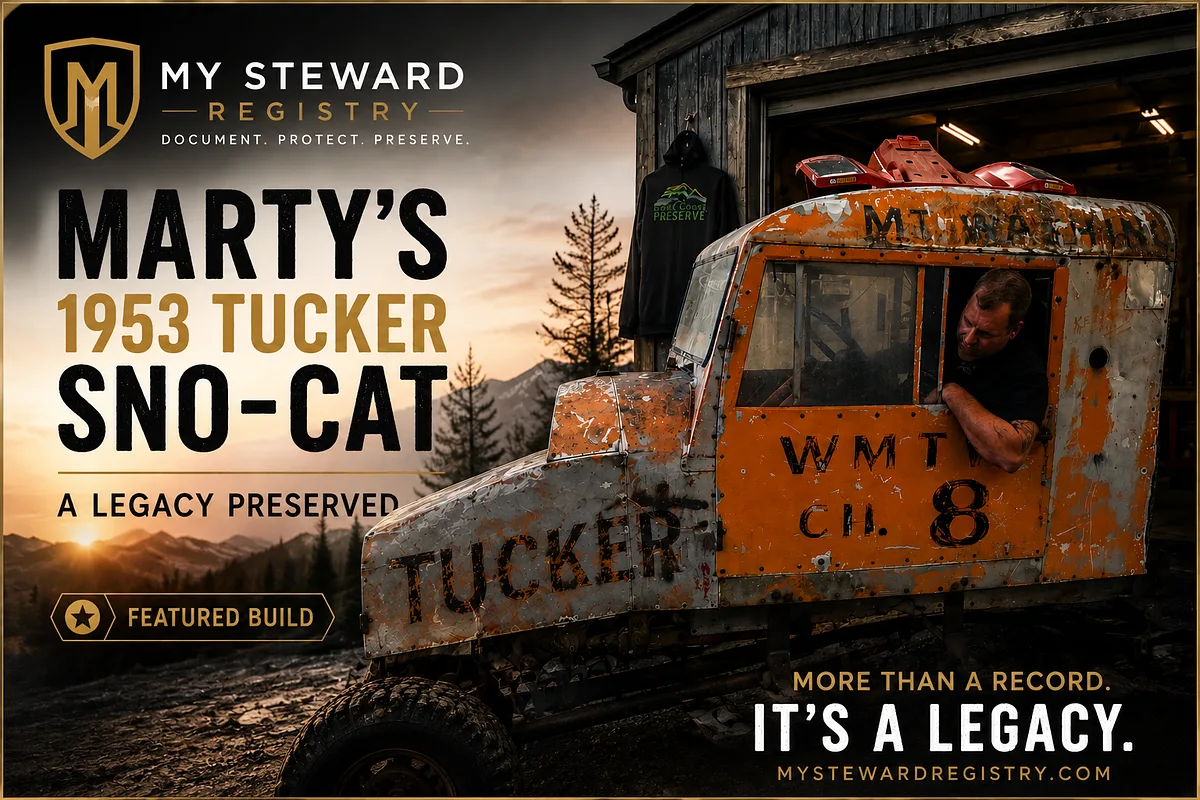
1953 Tucker Sno-Cat
Watch the story

The Story

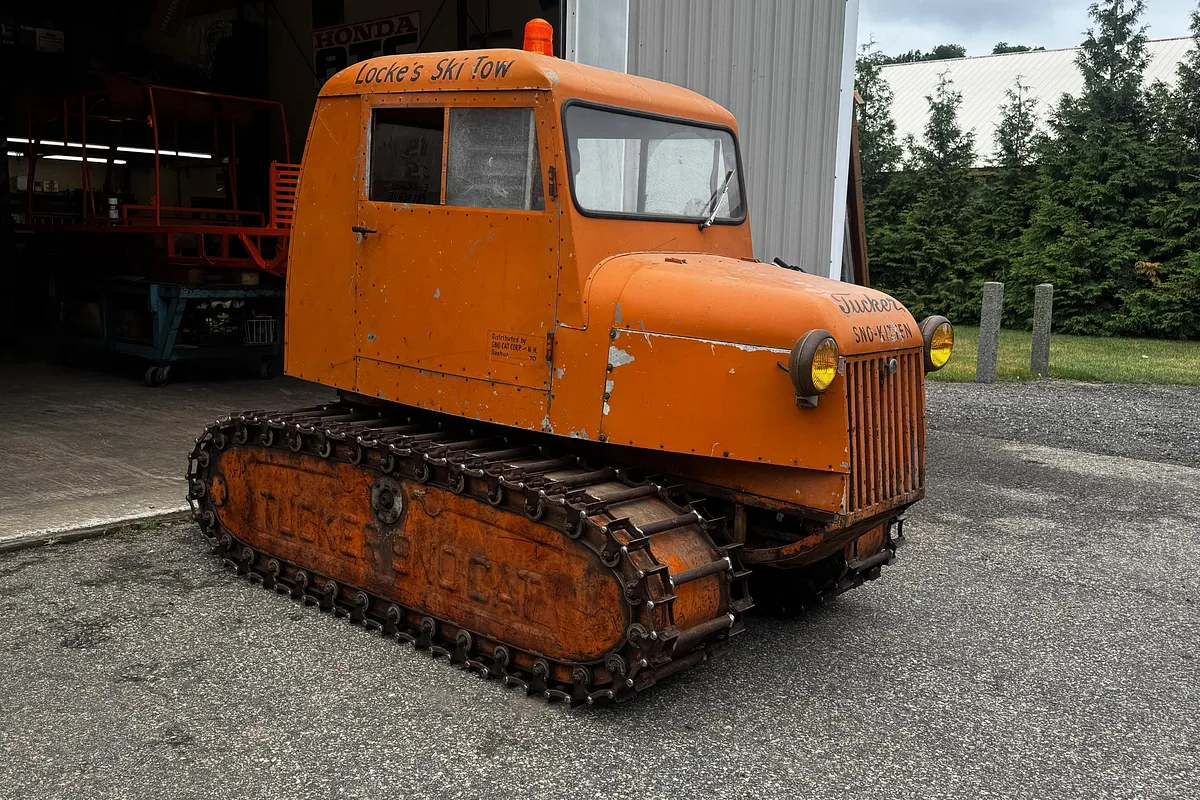
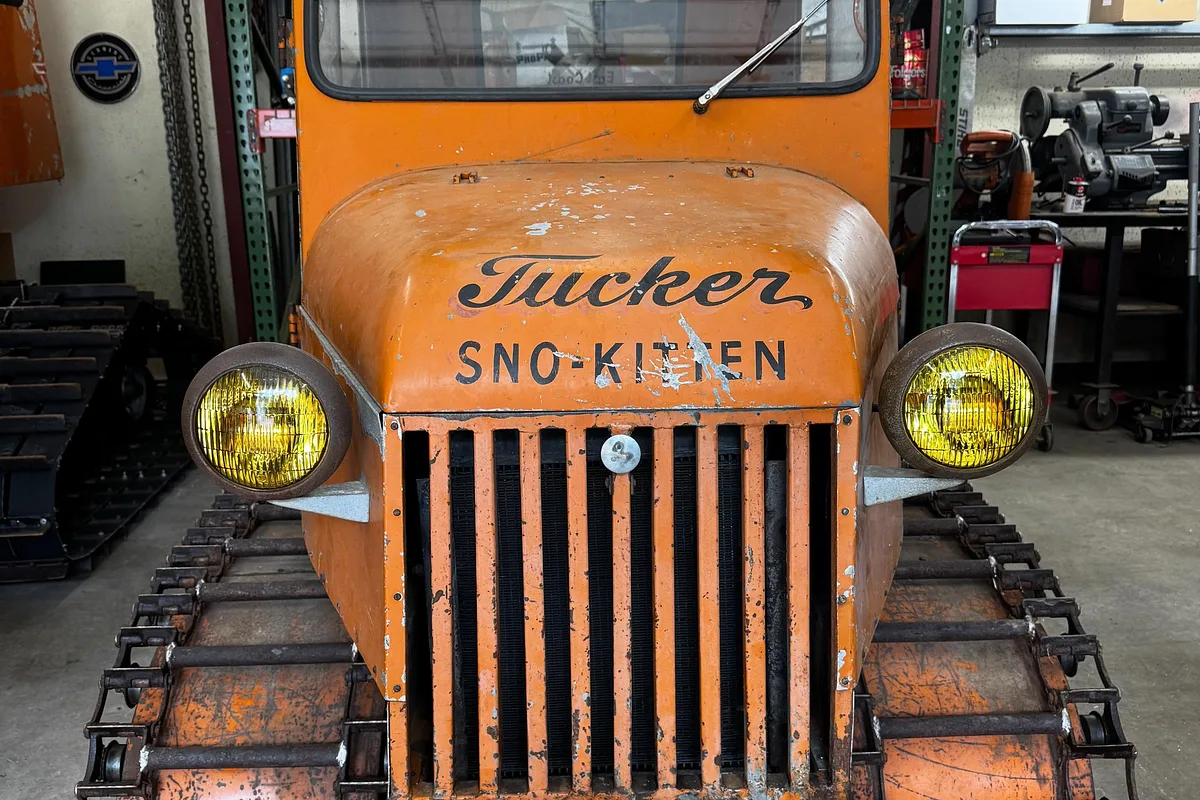
1953 Tucker Sno-Cat 443 "Marty"

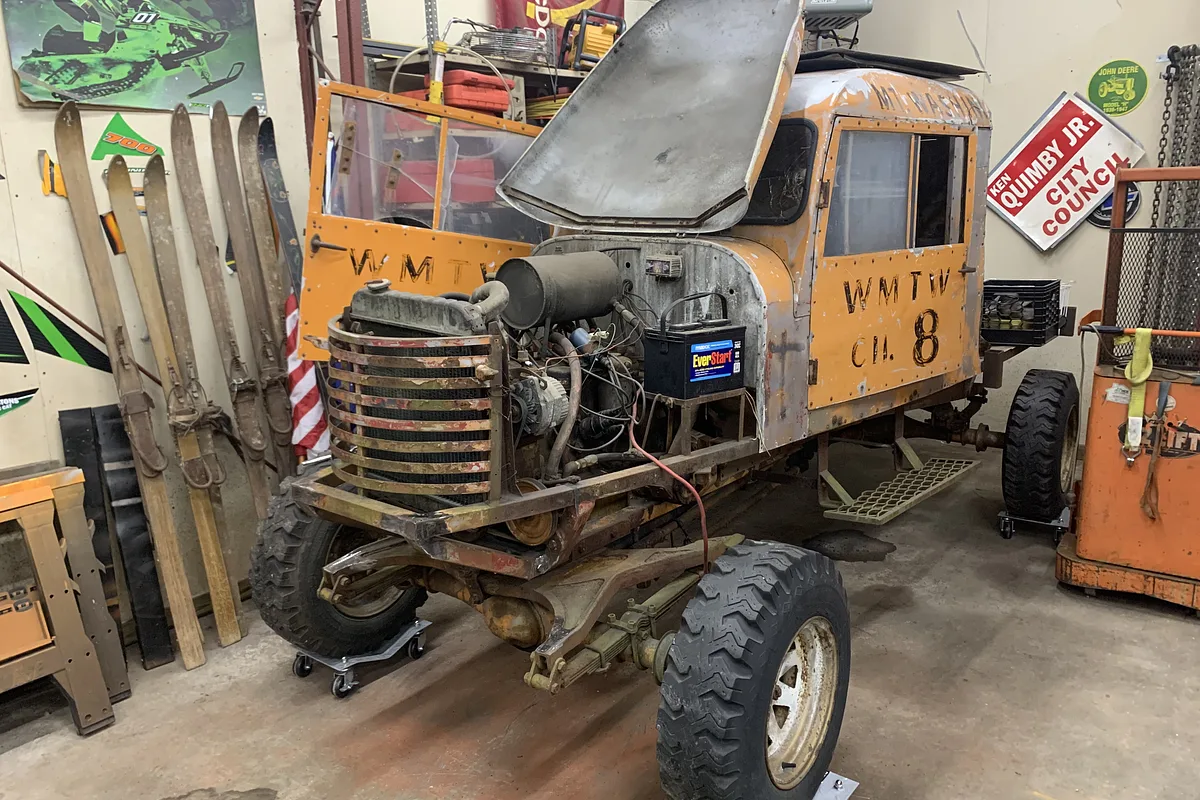
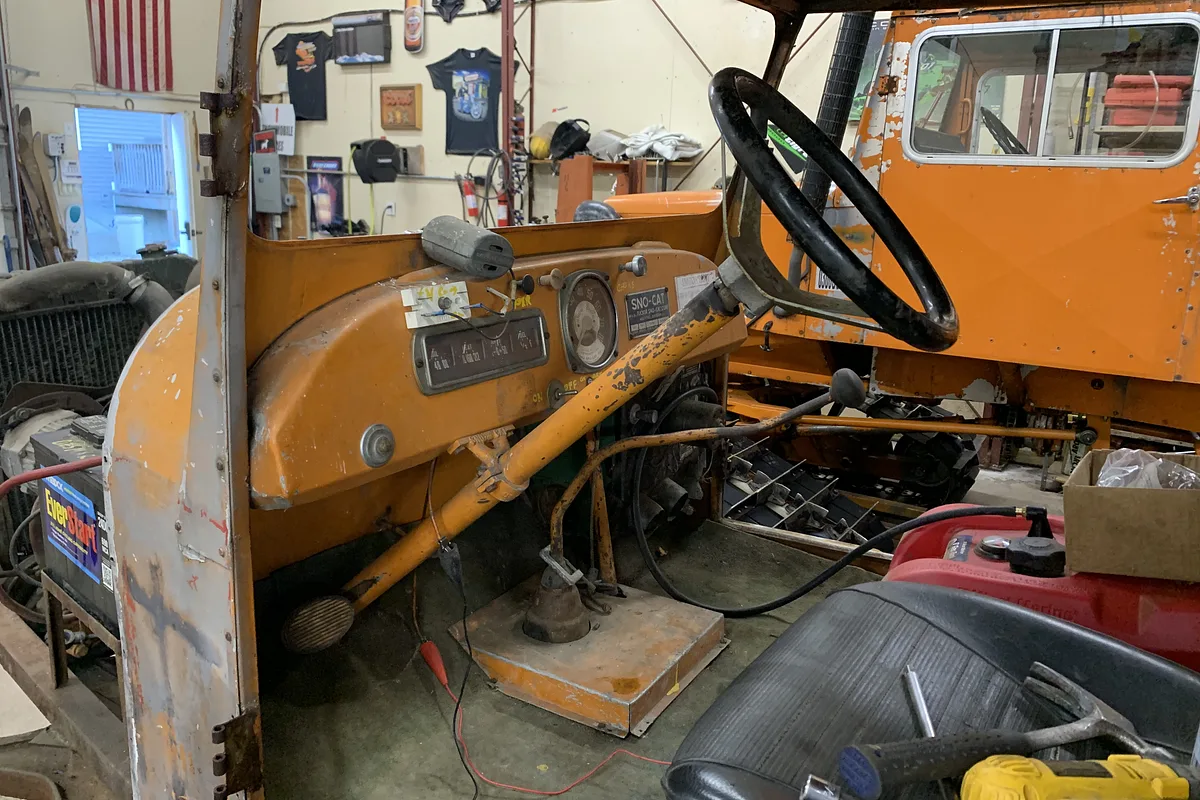
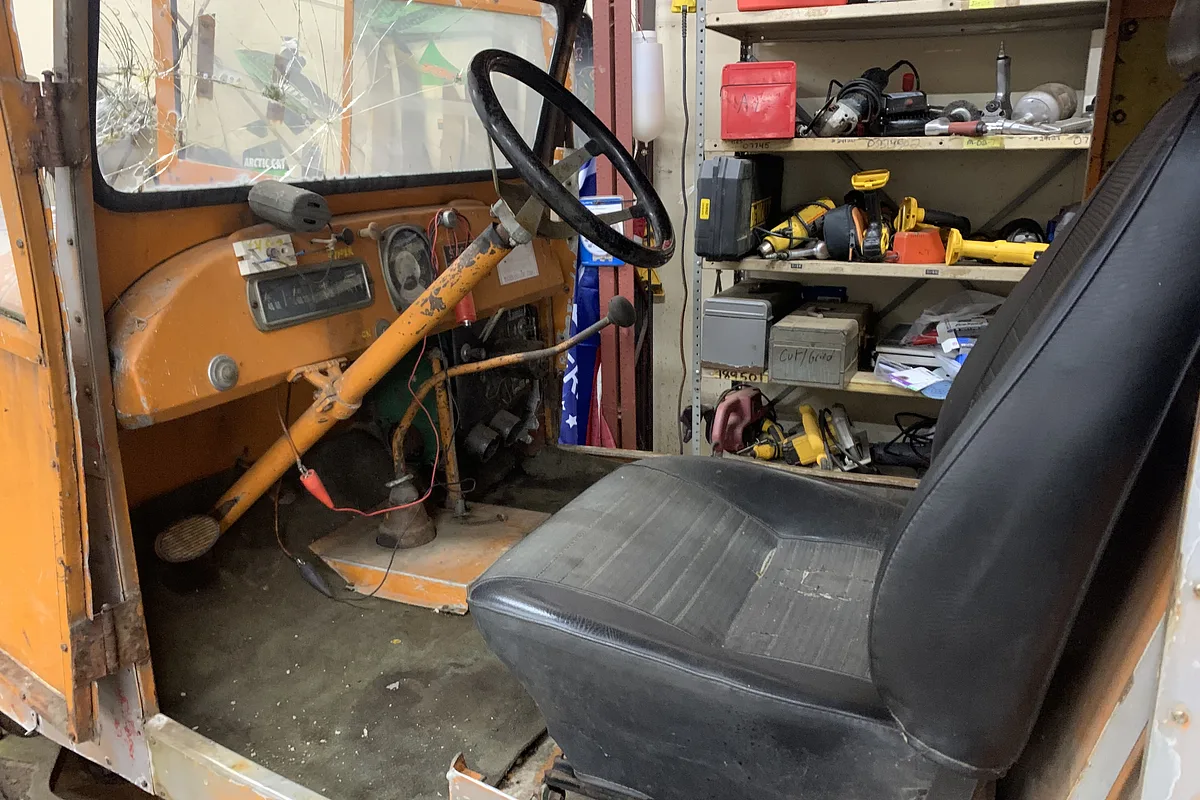
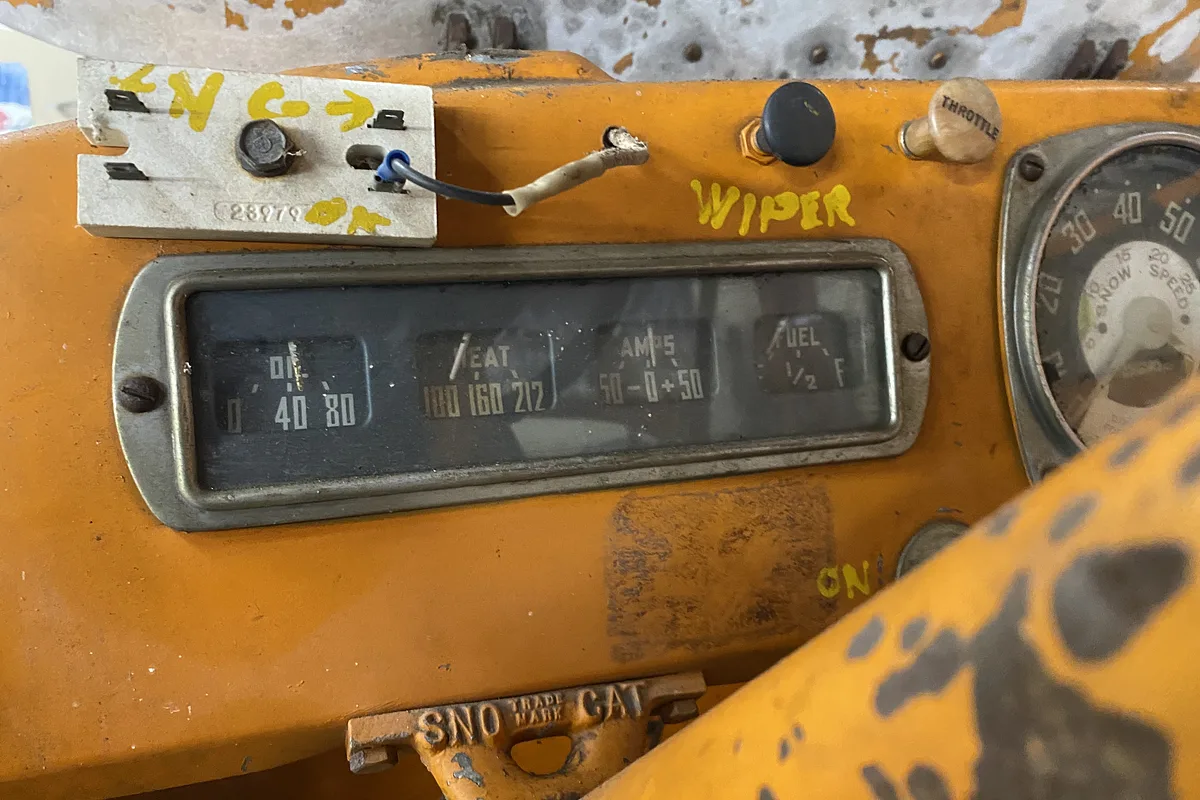
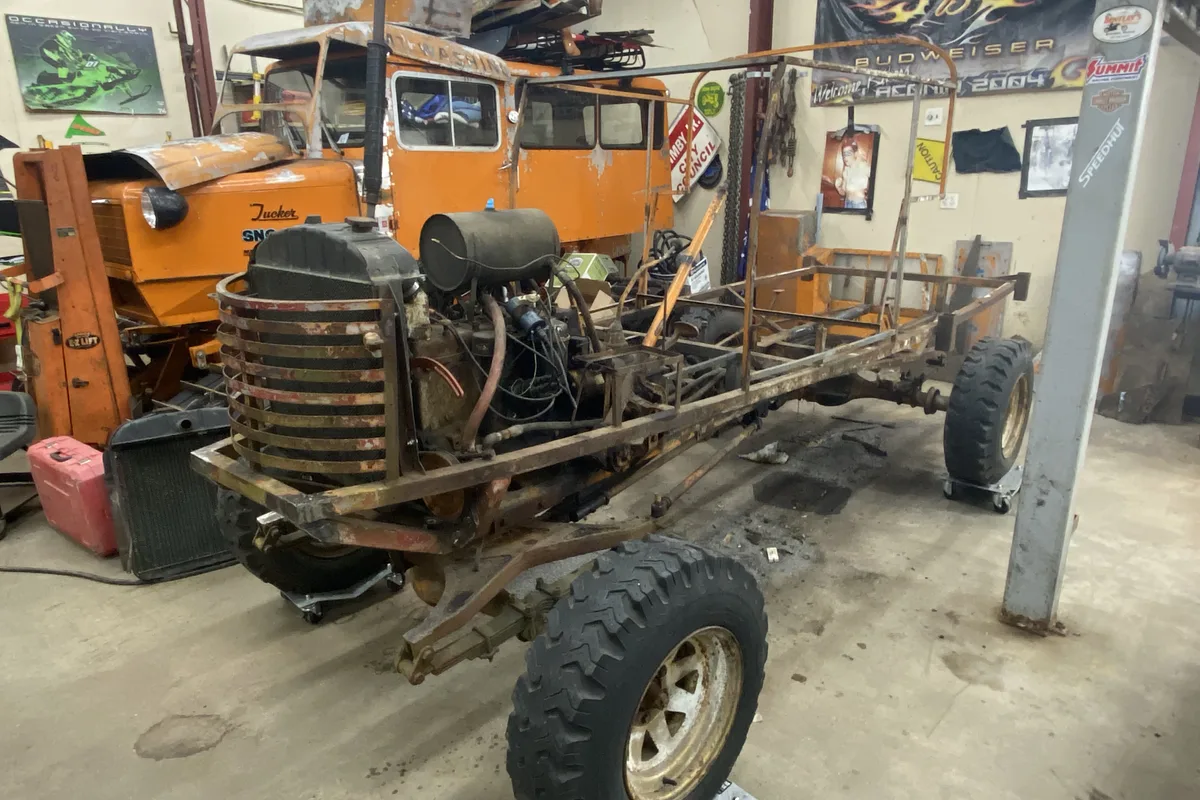
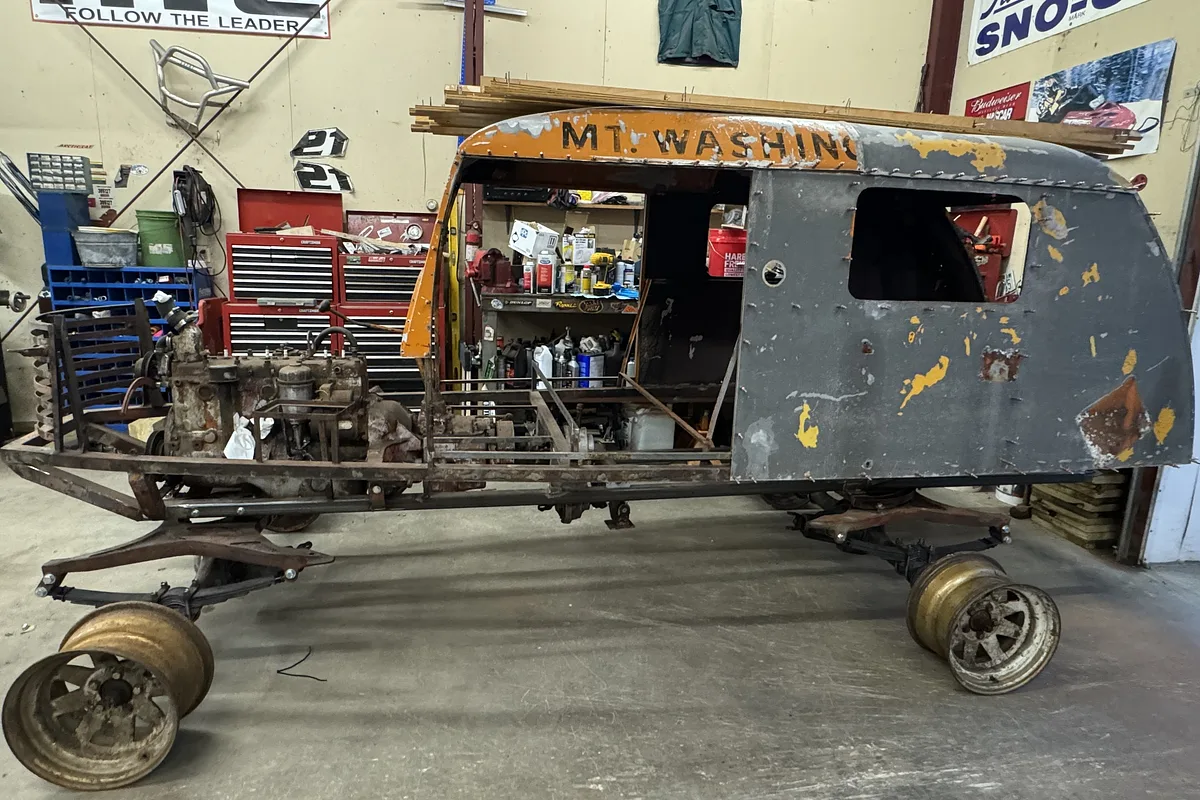
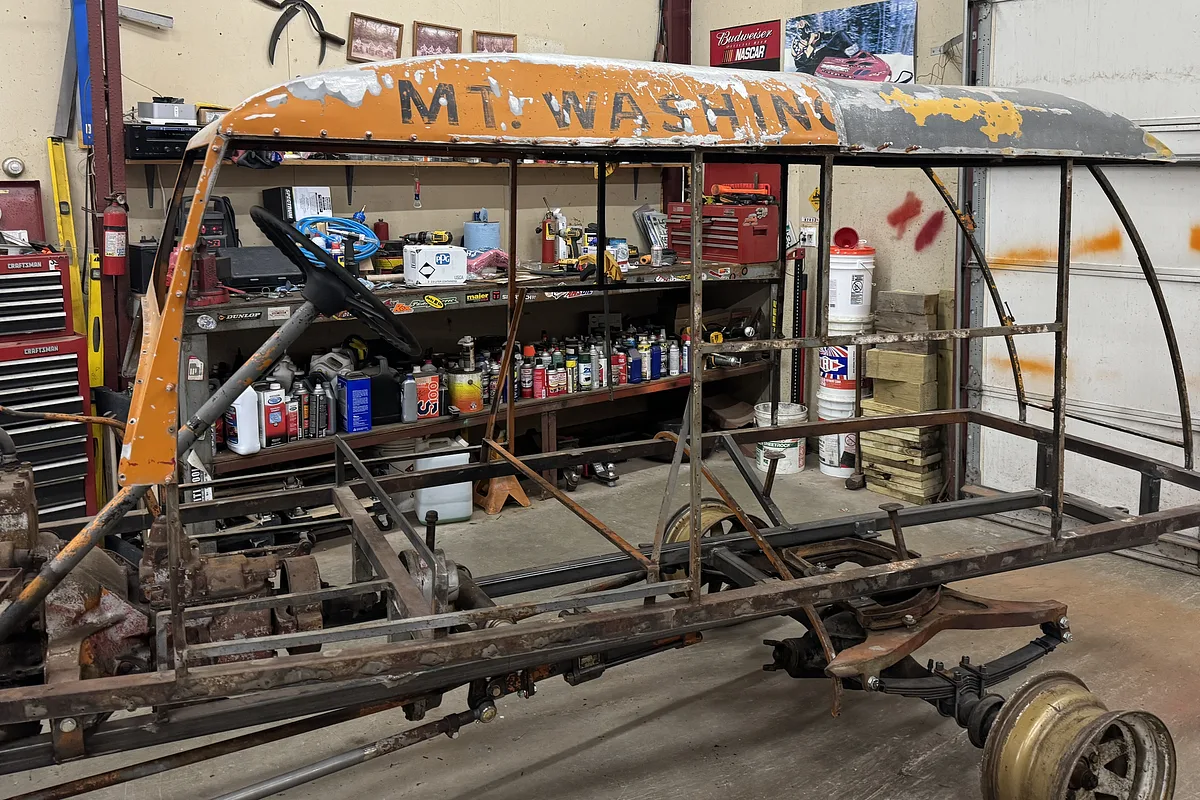
Once forgotten in a Maine junkyard, Marty is now being carefully restored while preserving the history, people, and stories that made this remarkable machine part of New England history.
Follow the journey one milestone at a time.


17

Milestones

6

Photos

0

Documents

Build Timeline

Milestone 15 Momentum

Nov 29, 2021 · 30 photos

Milestone 15

Momentum

Timeline: Late 2021
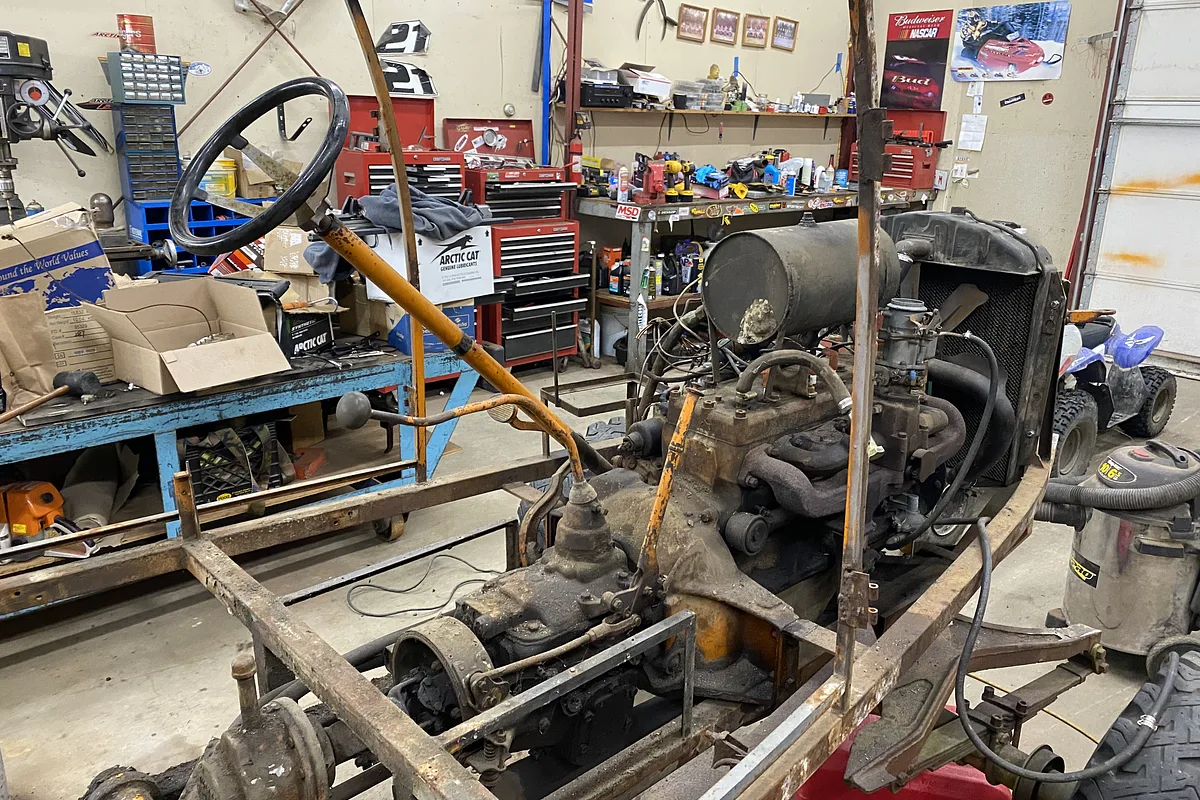
Every restoration reaches a point where the pile of parts starts becoming a machine again.
For Marty, this was that moment.
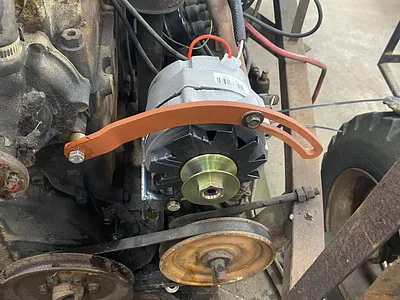
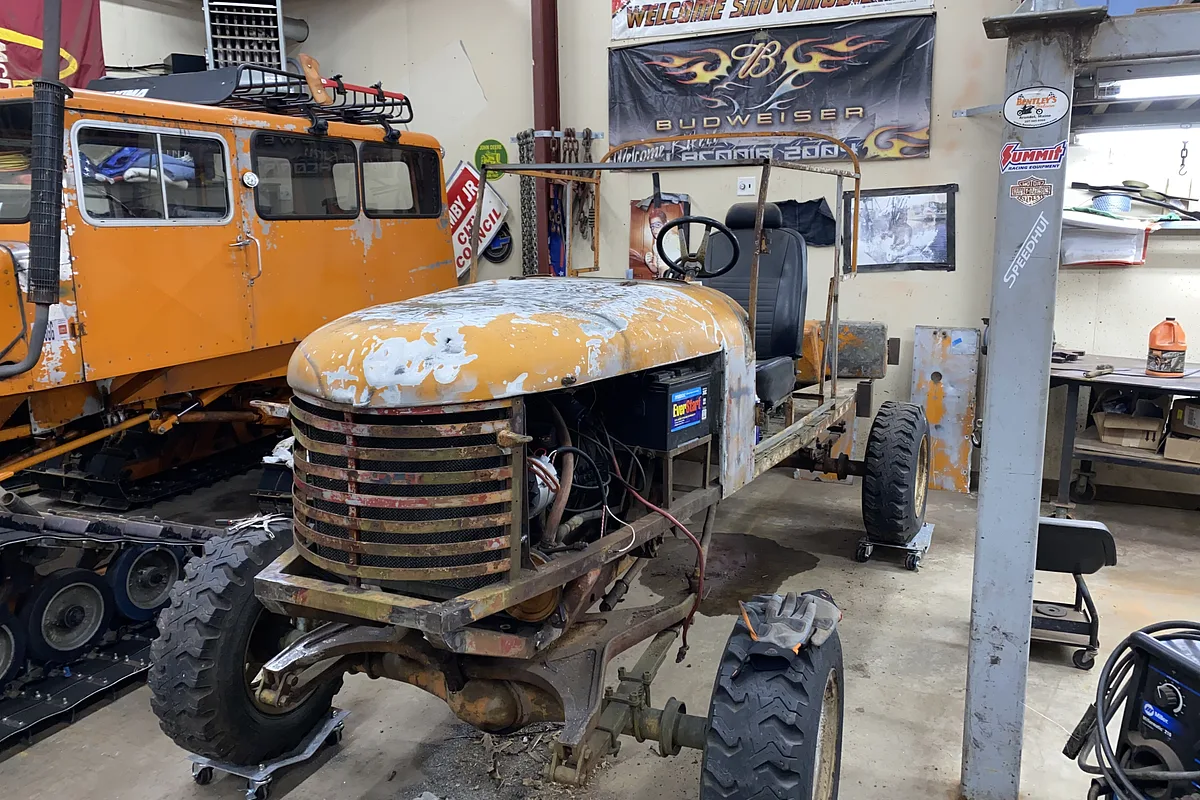
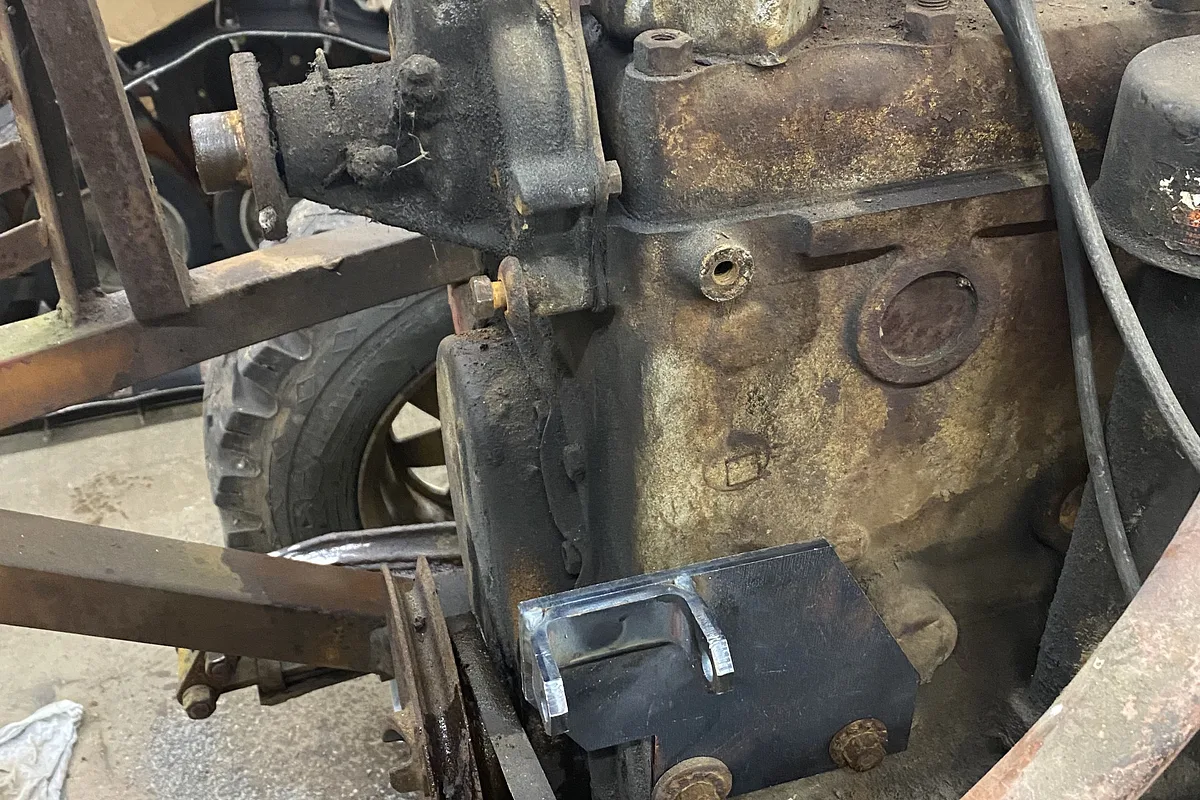
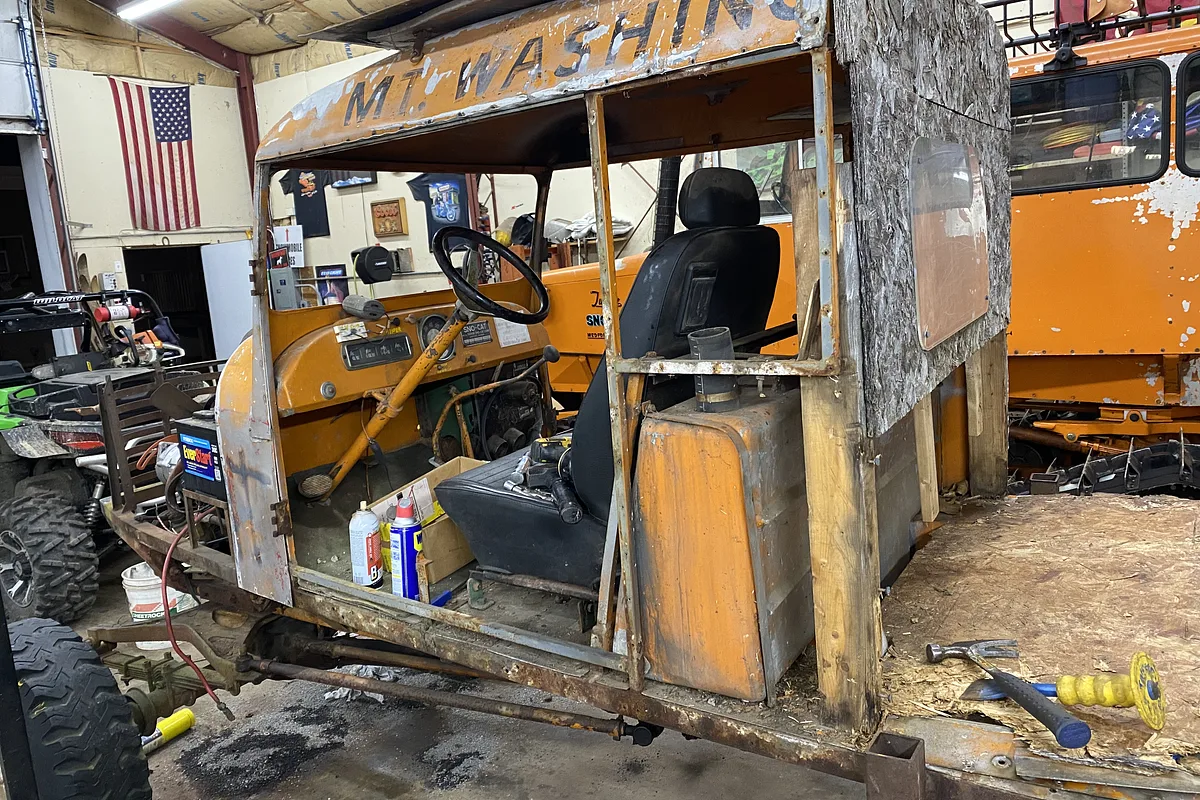
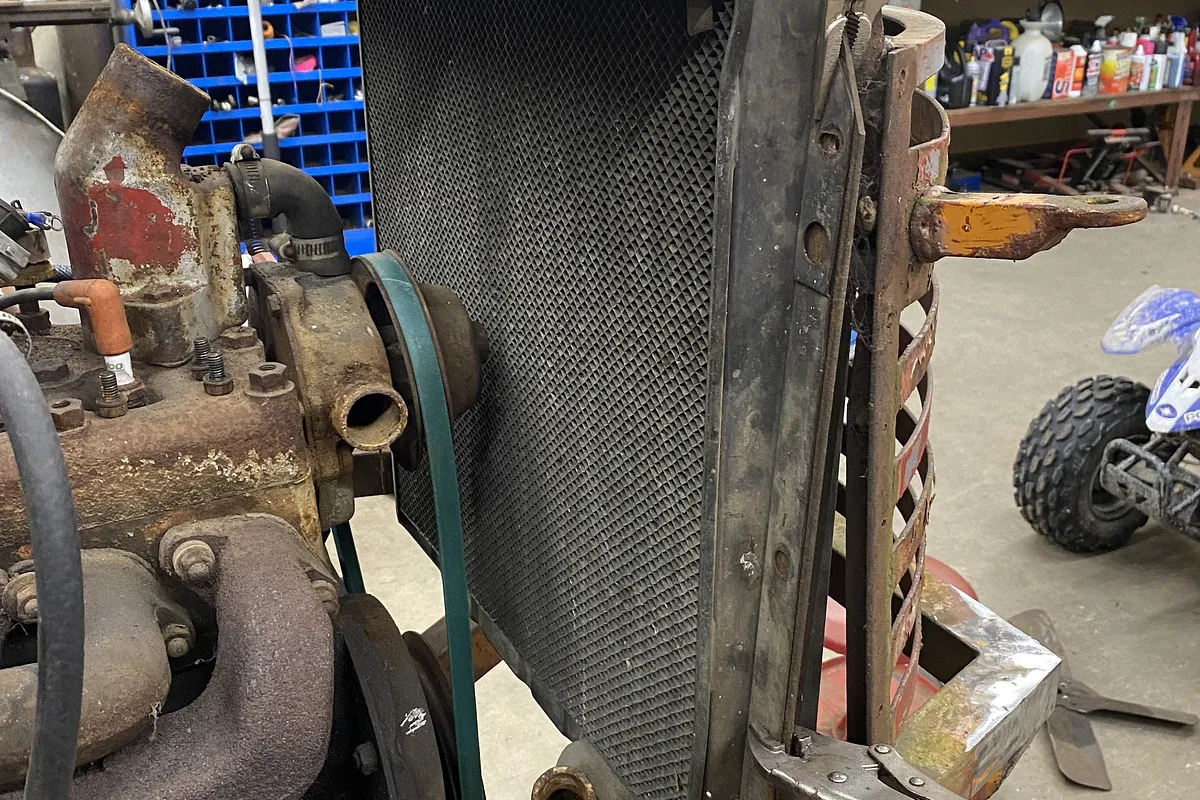
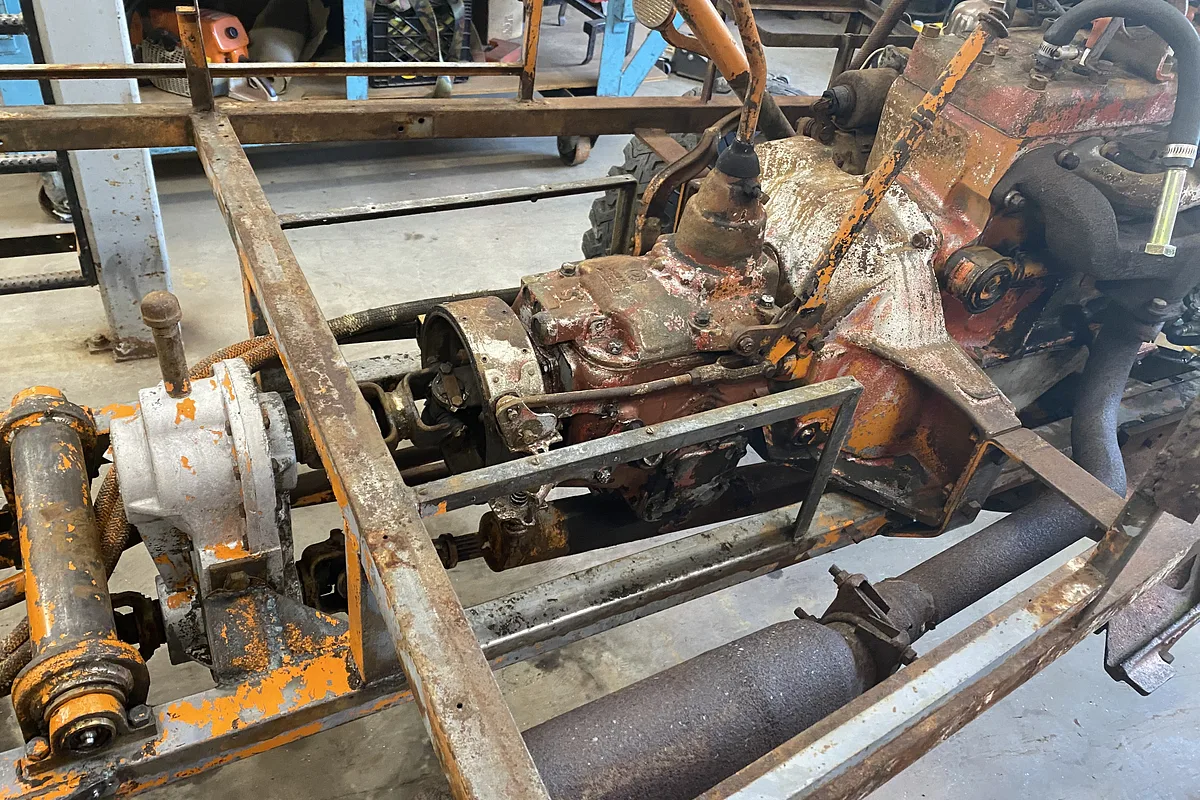
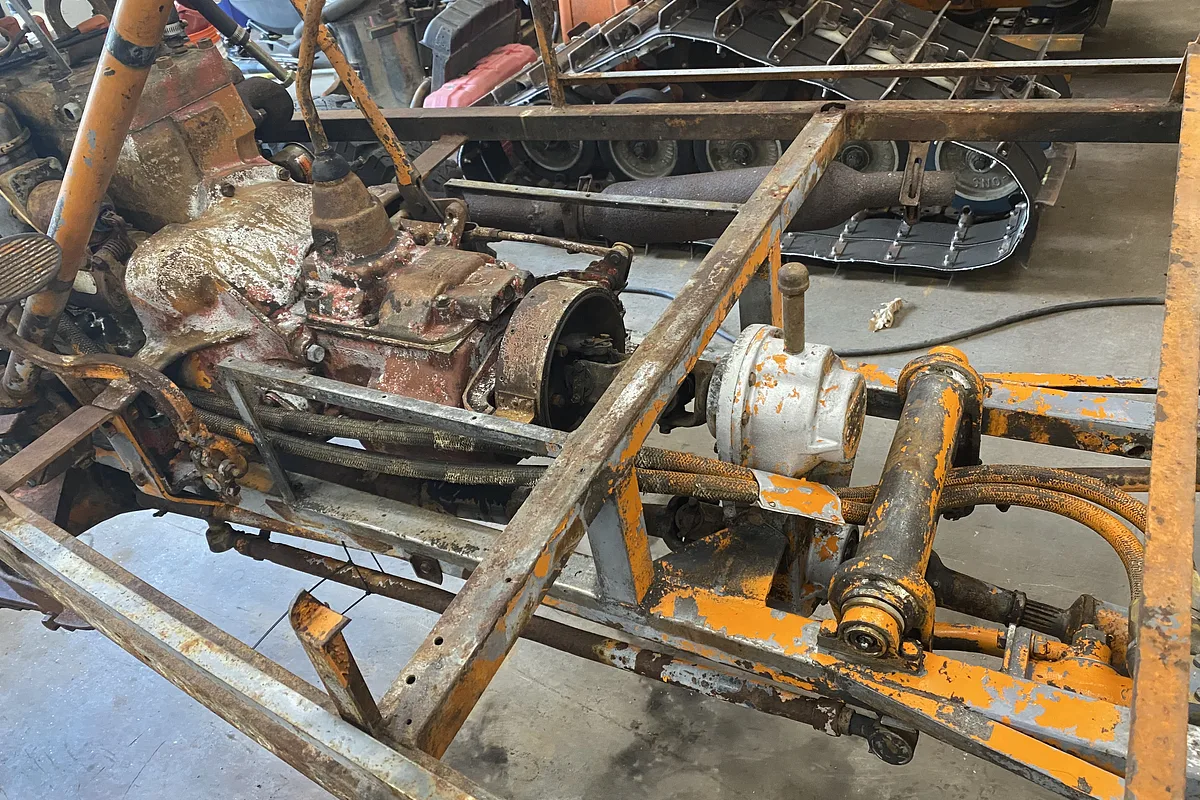
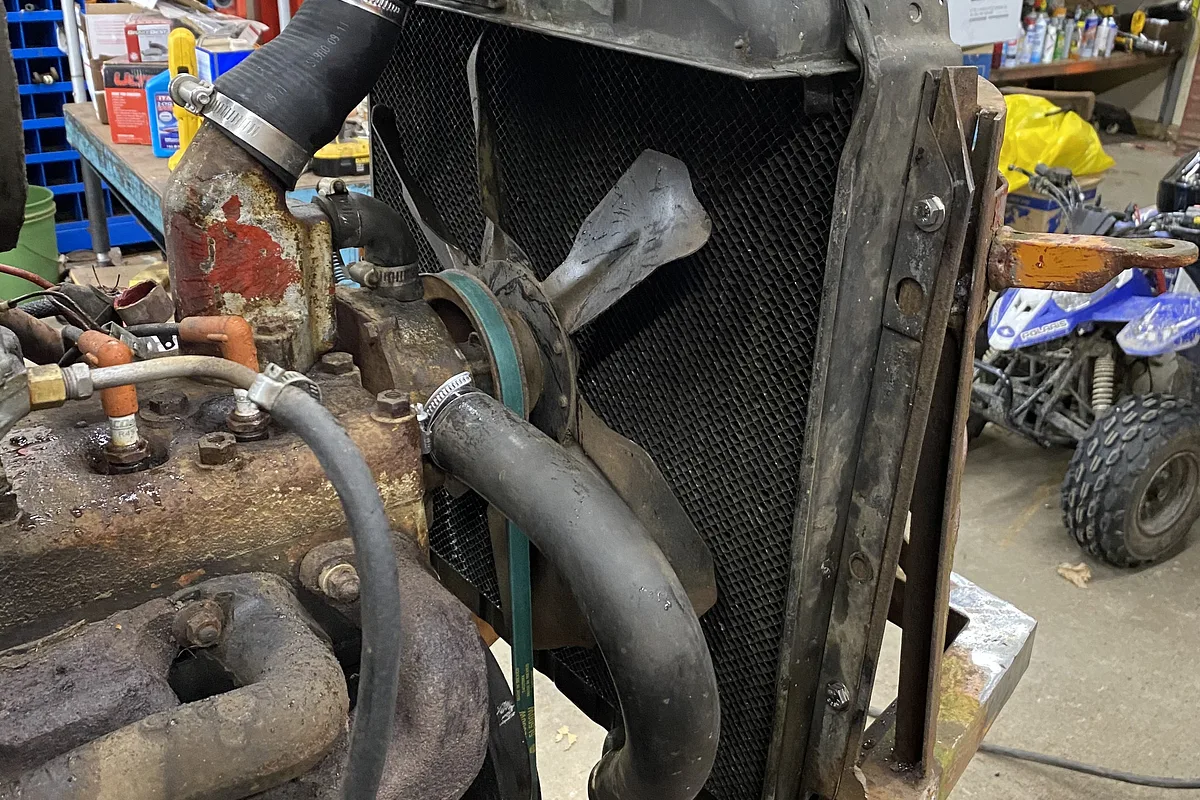
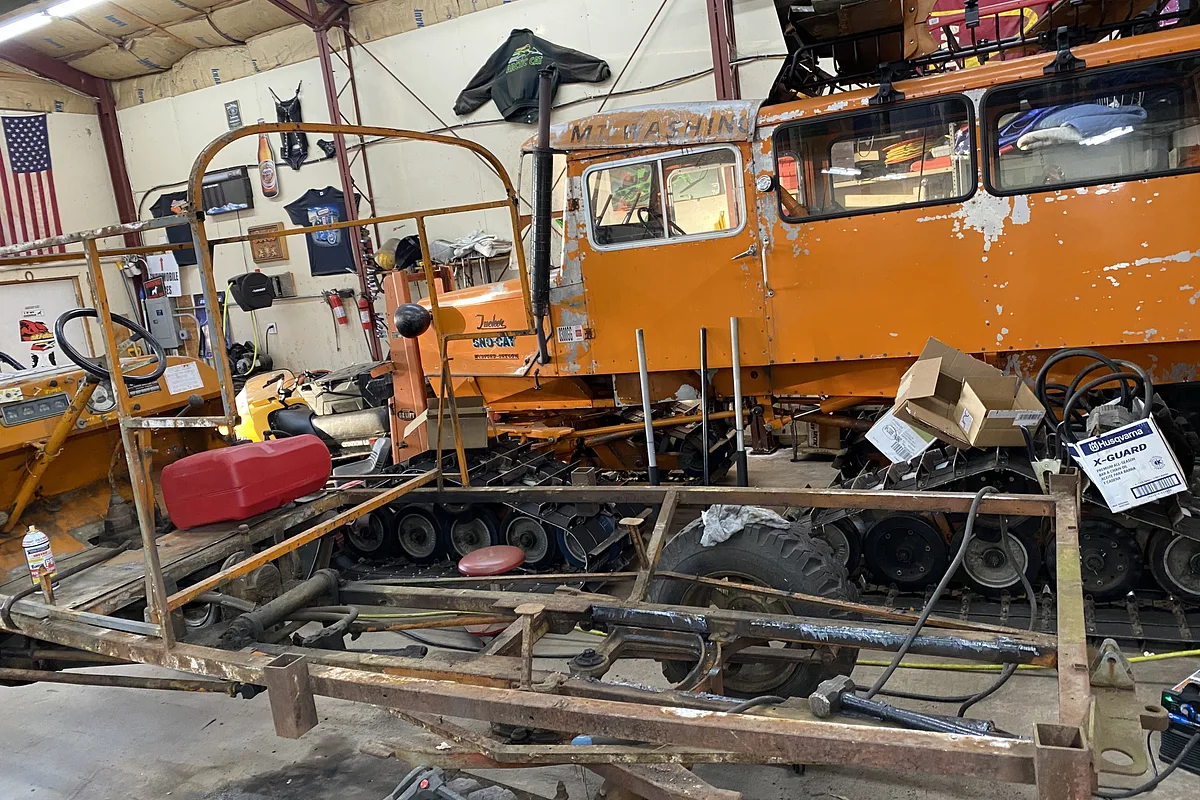
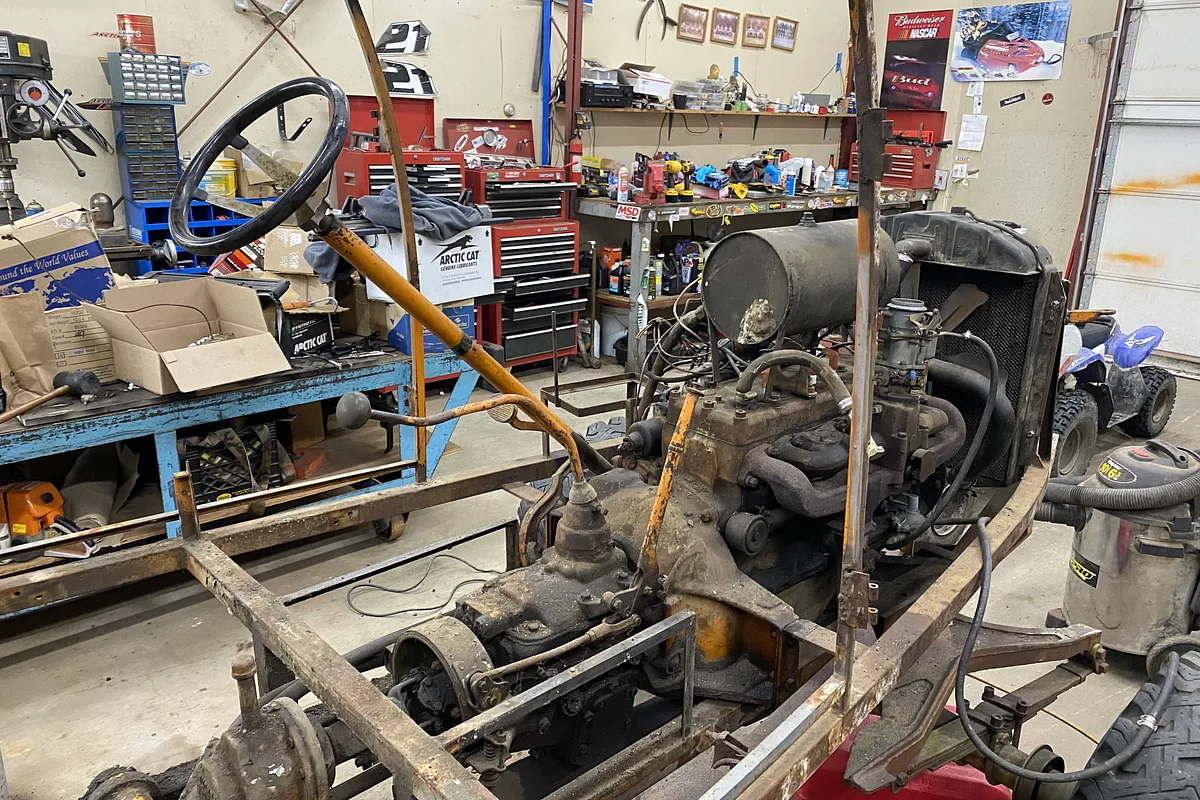
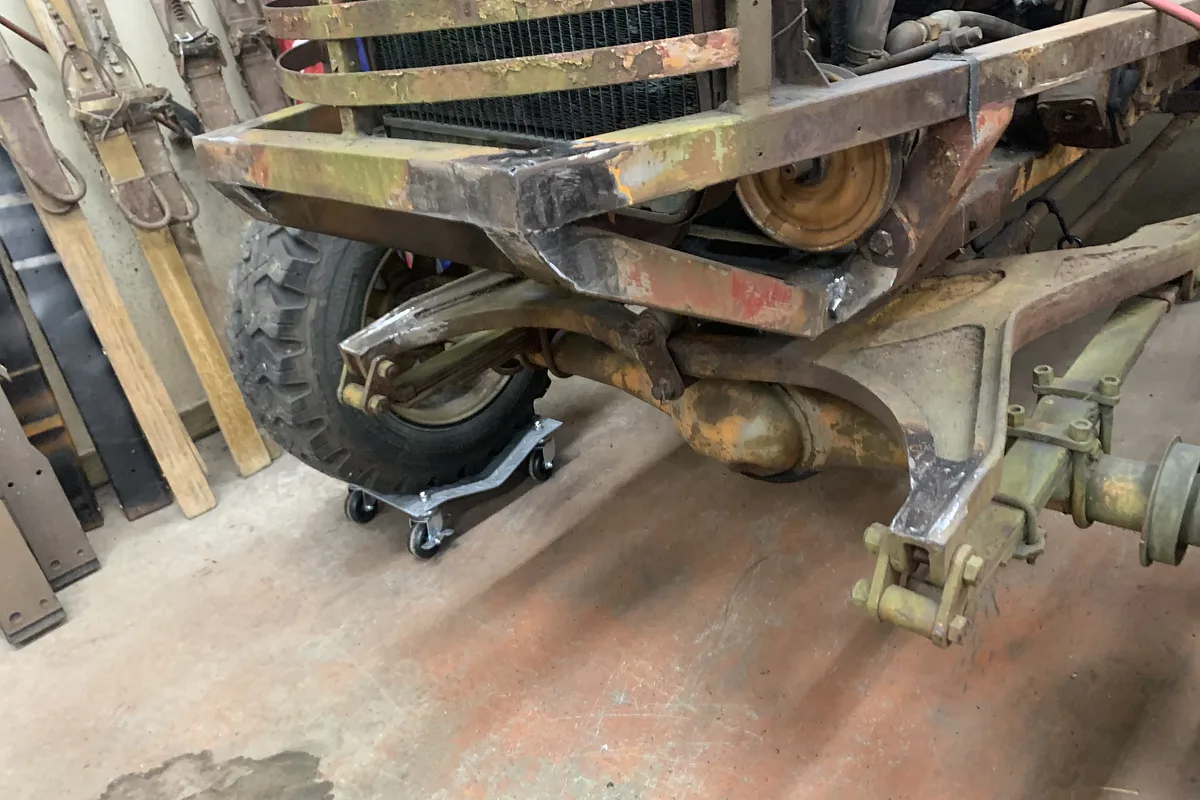
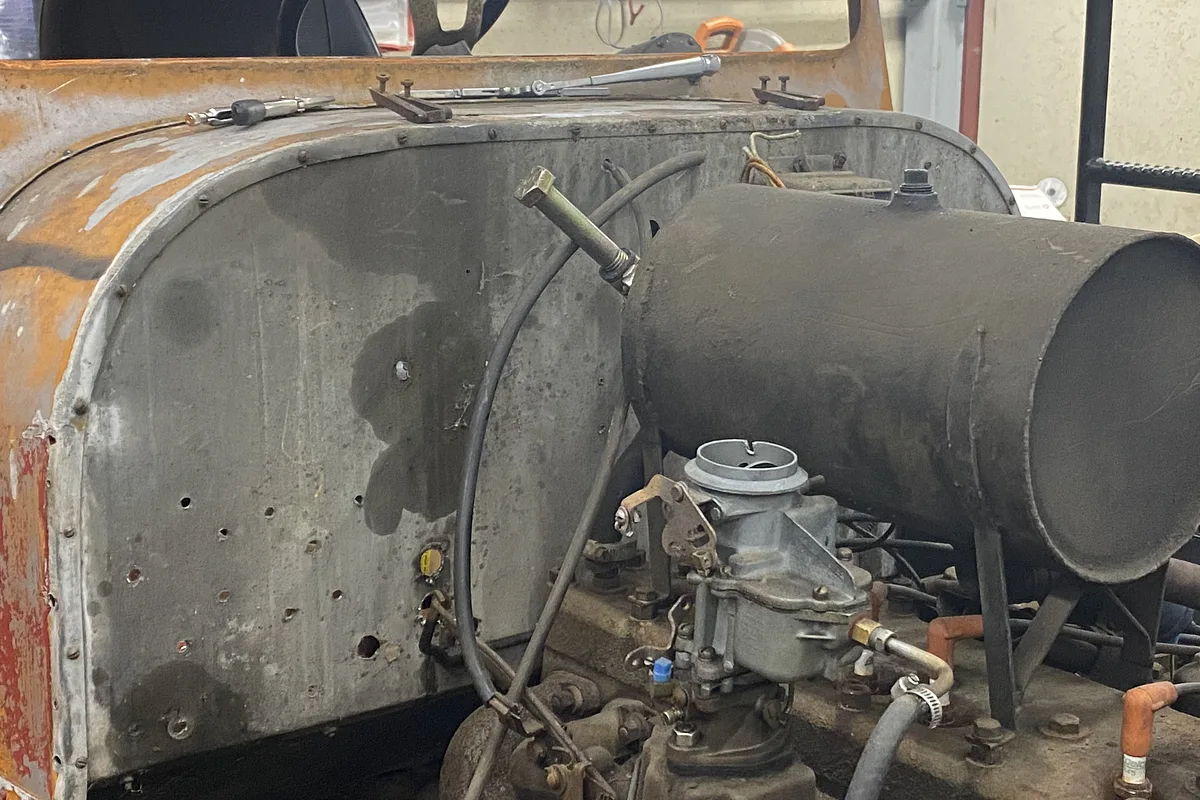
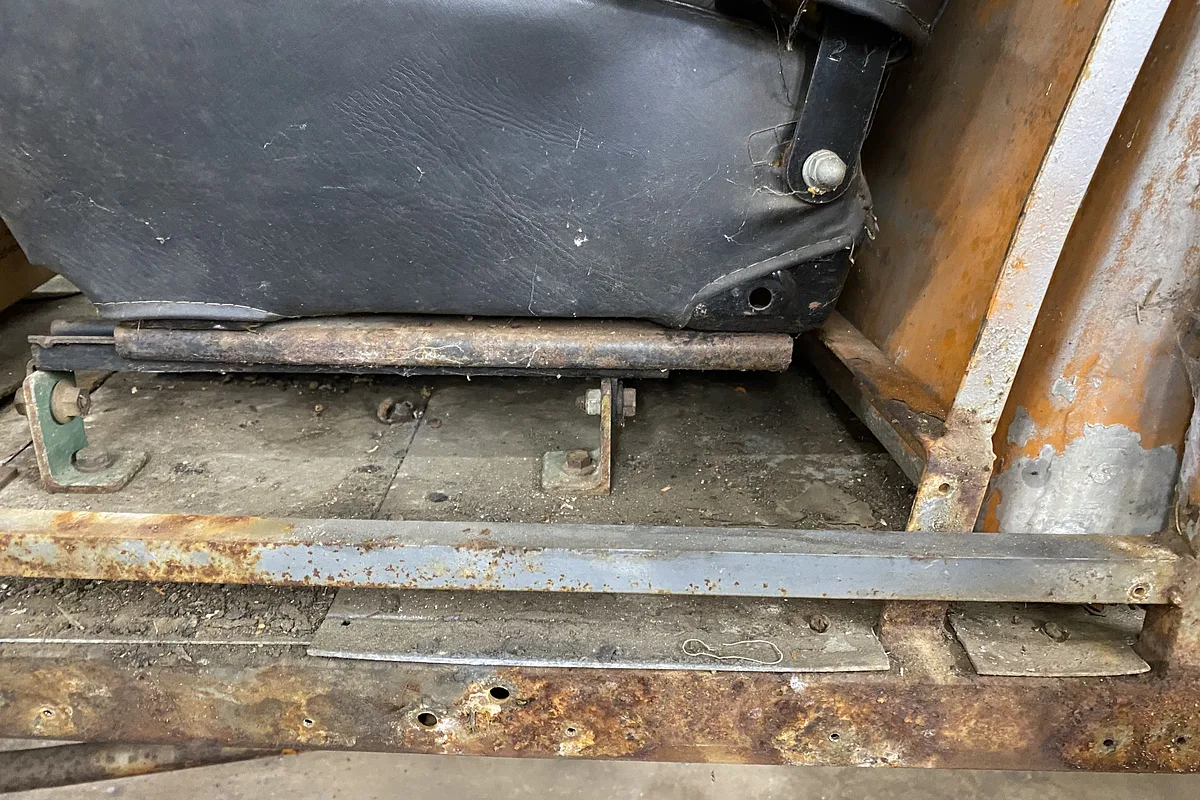
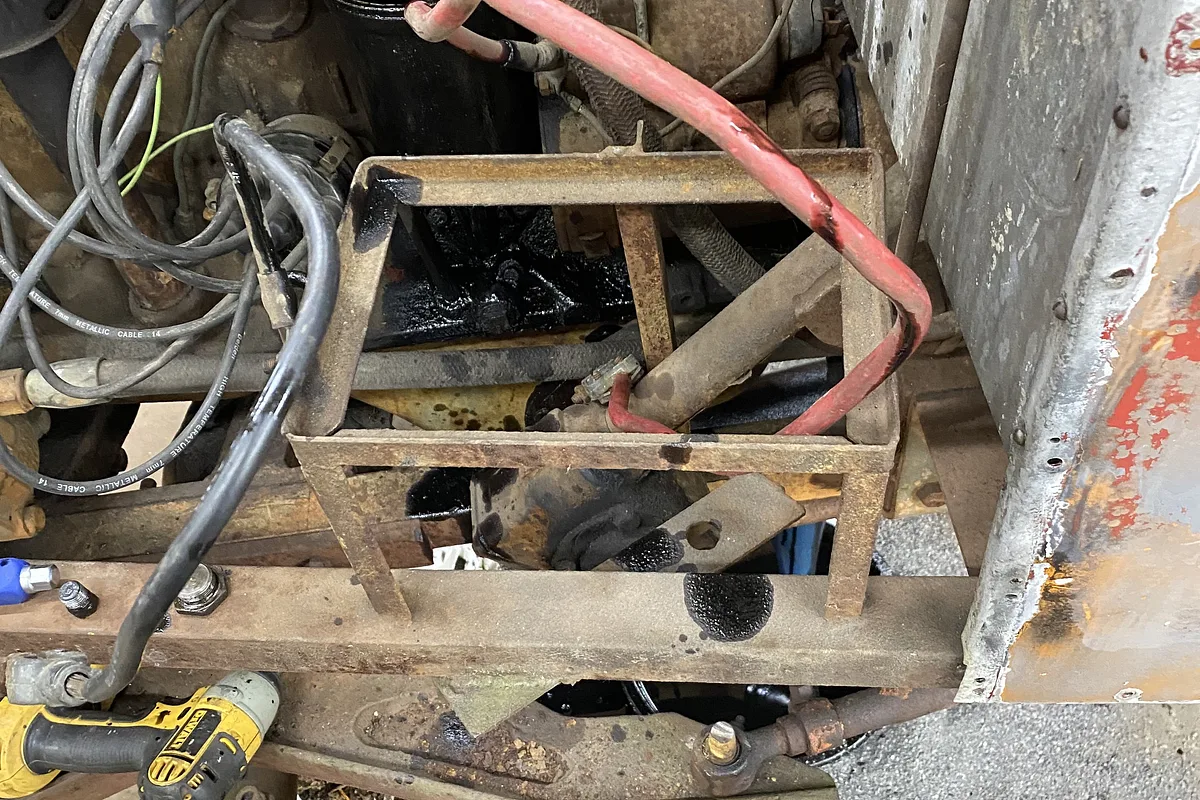
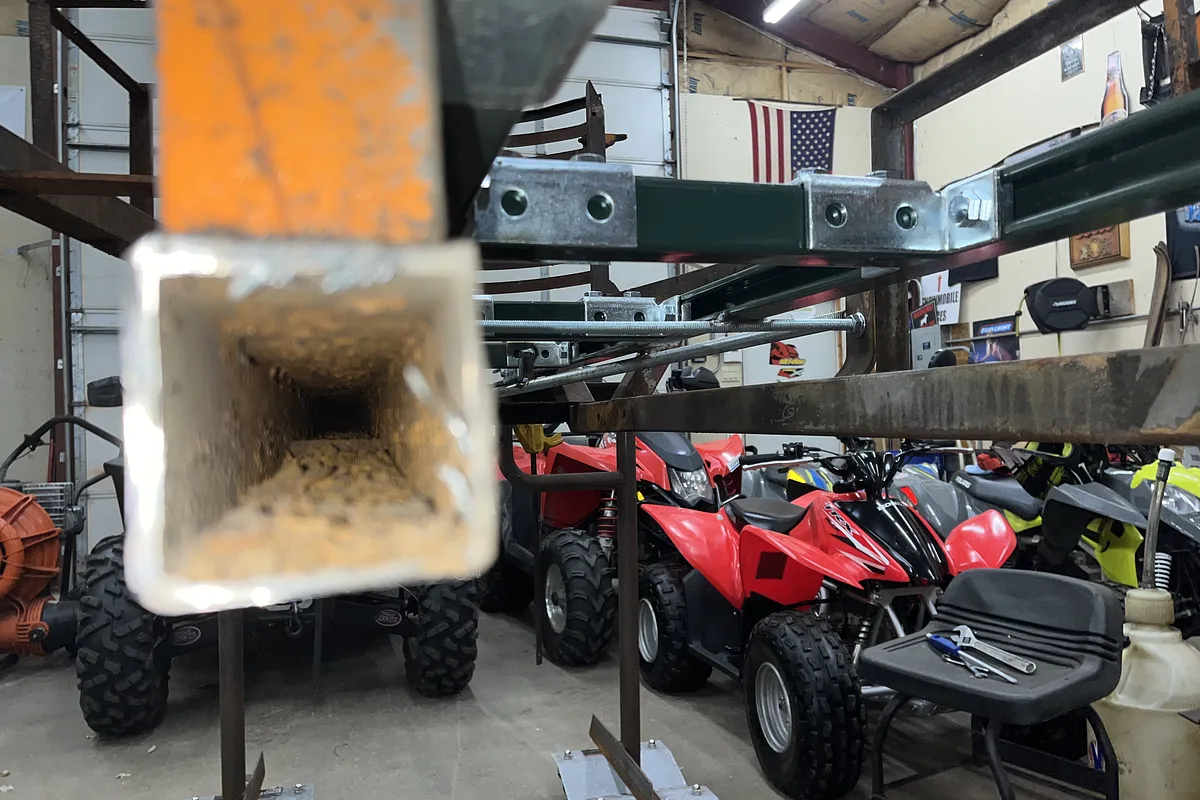
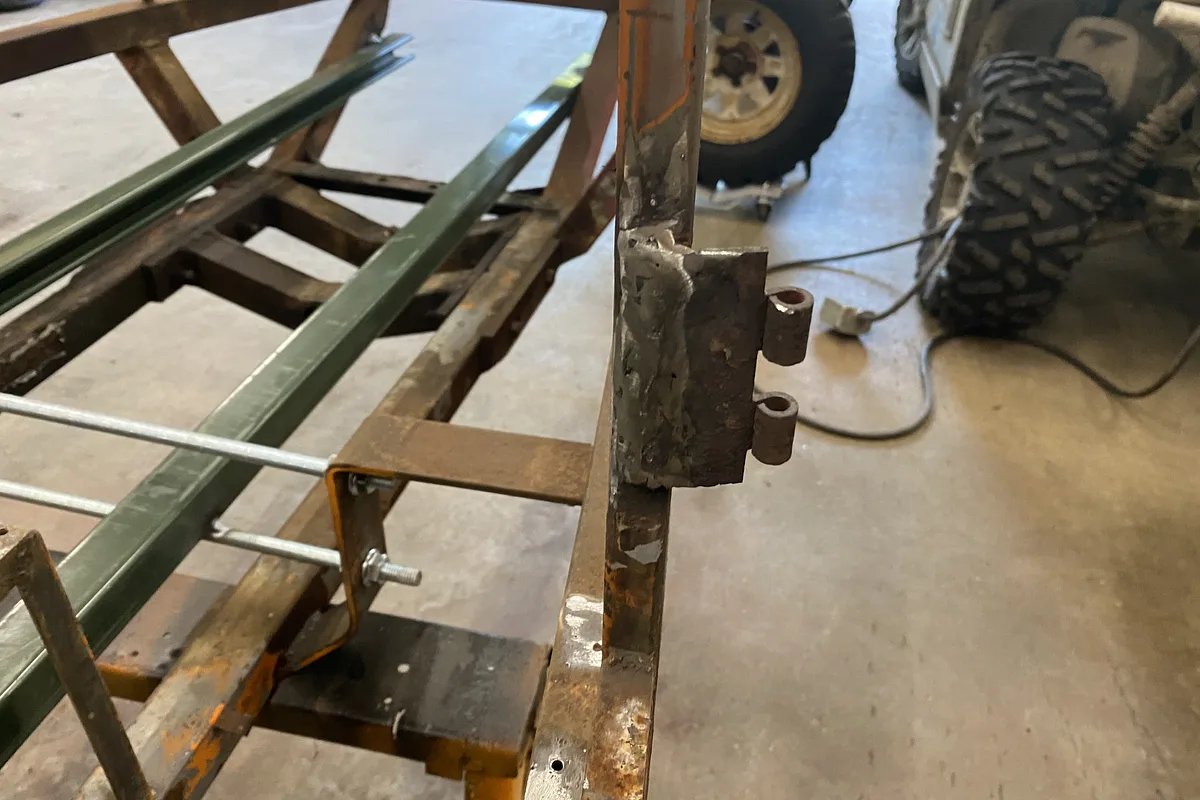
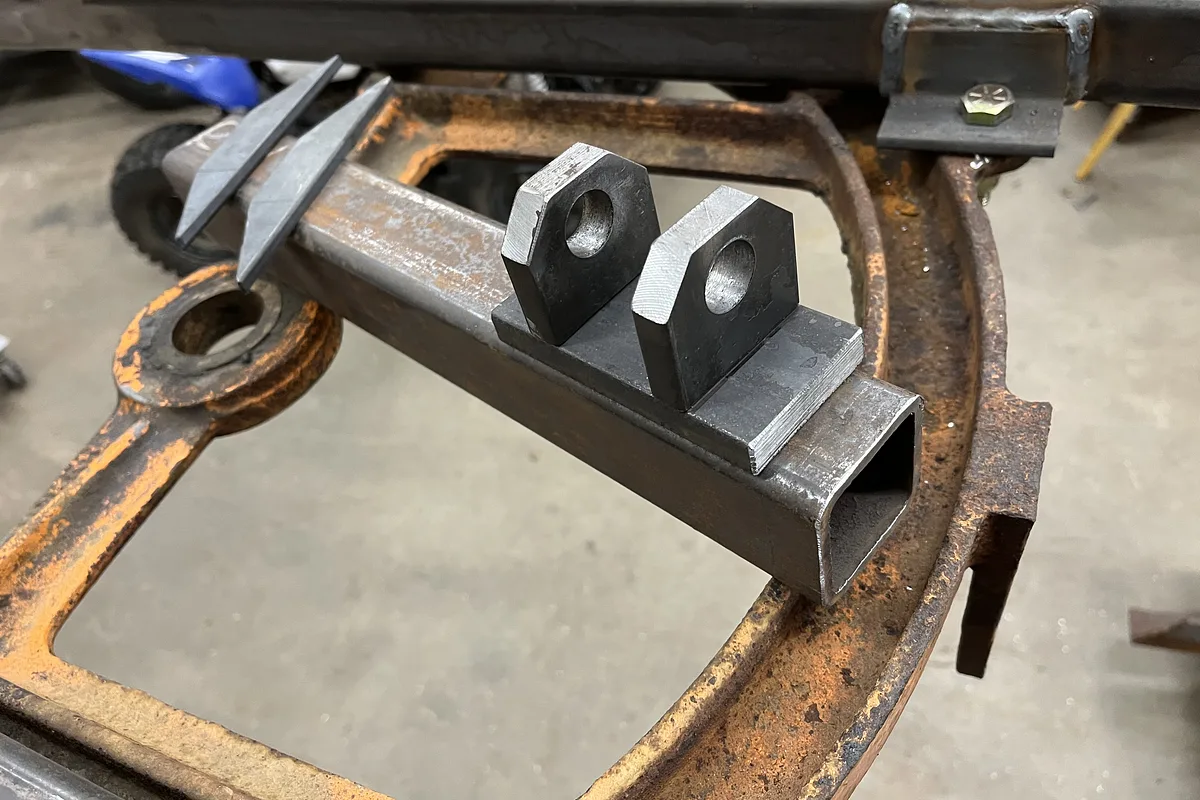
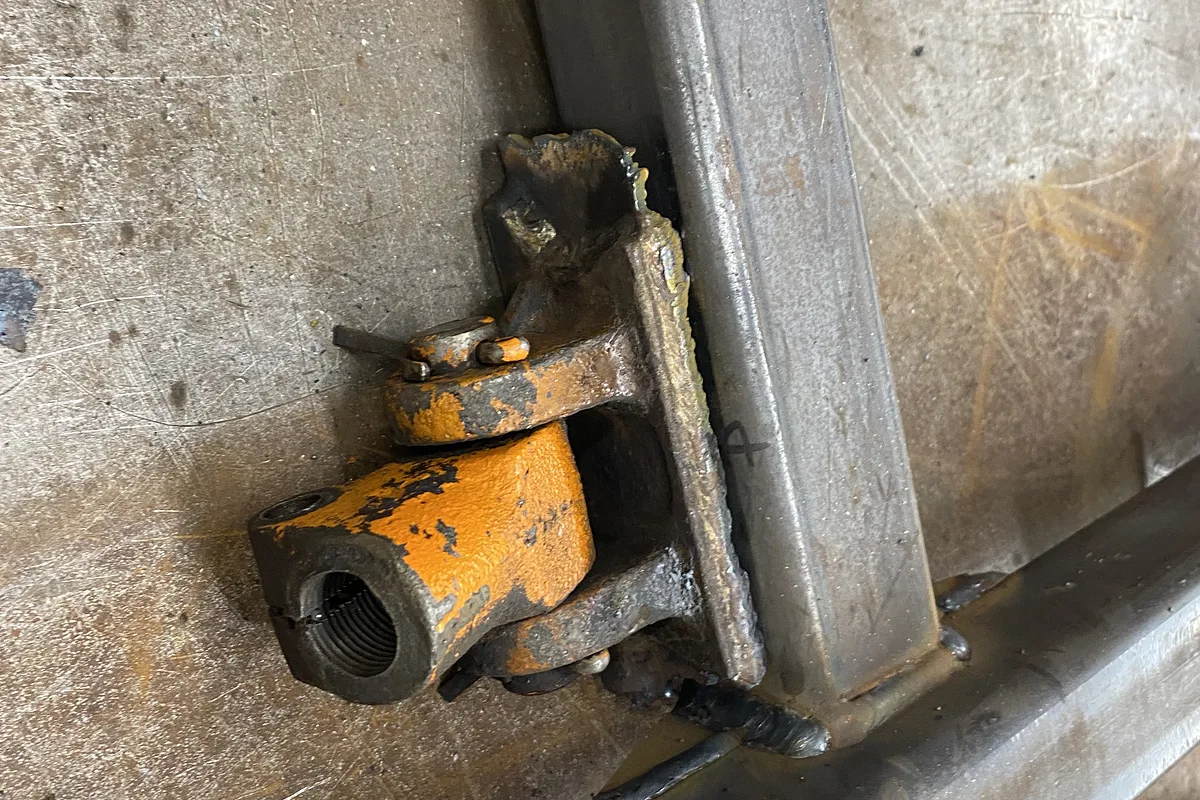
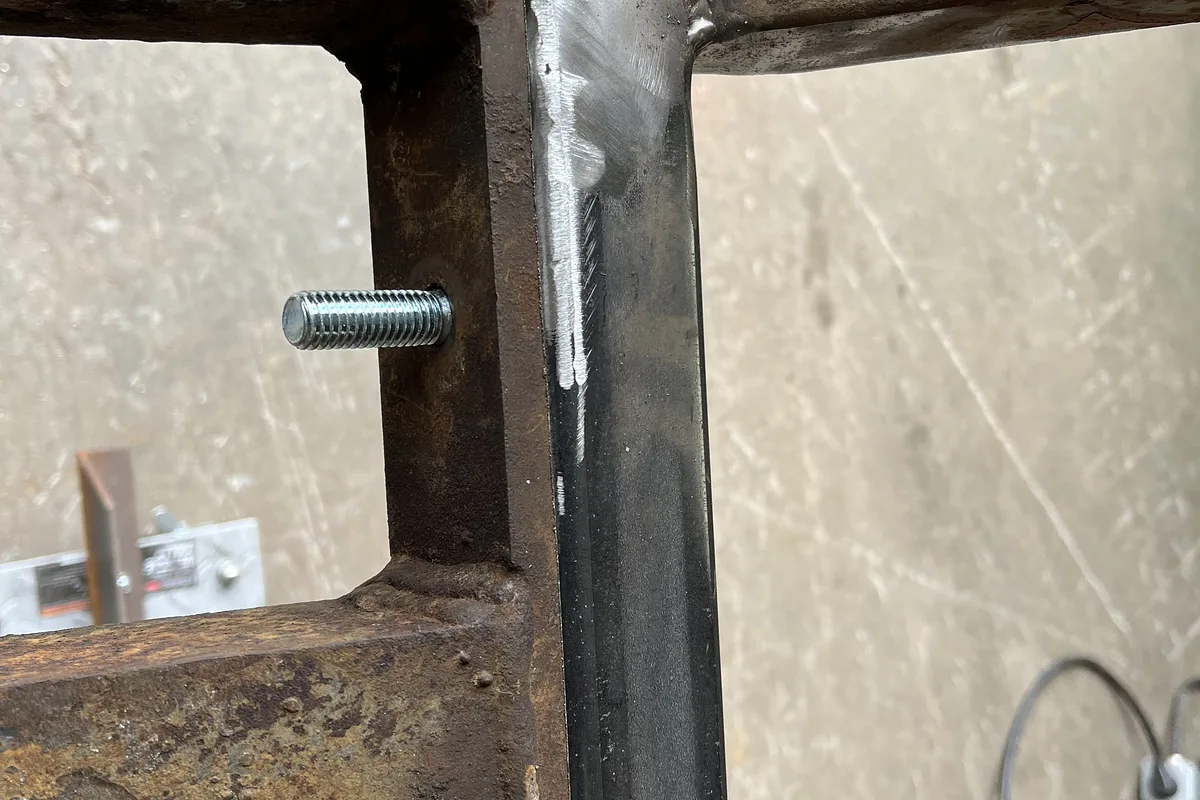
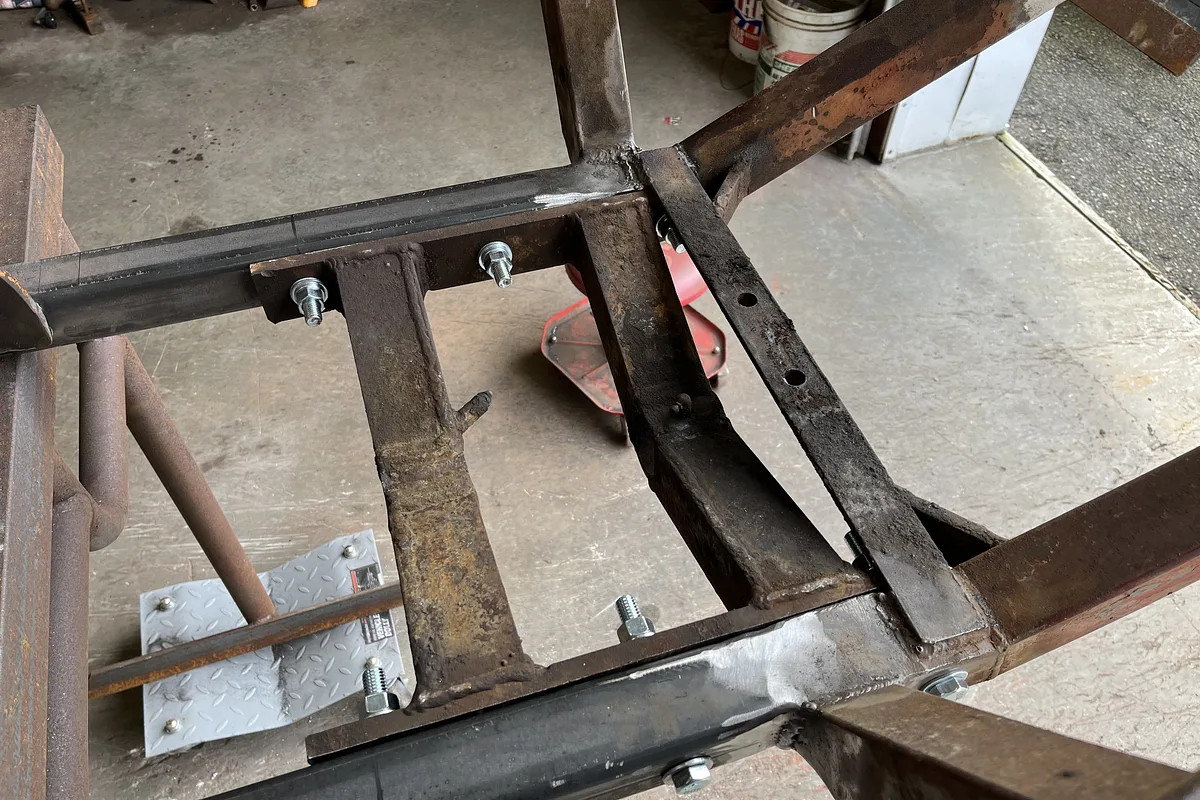
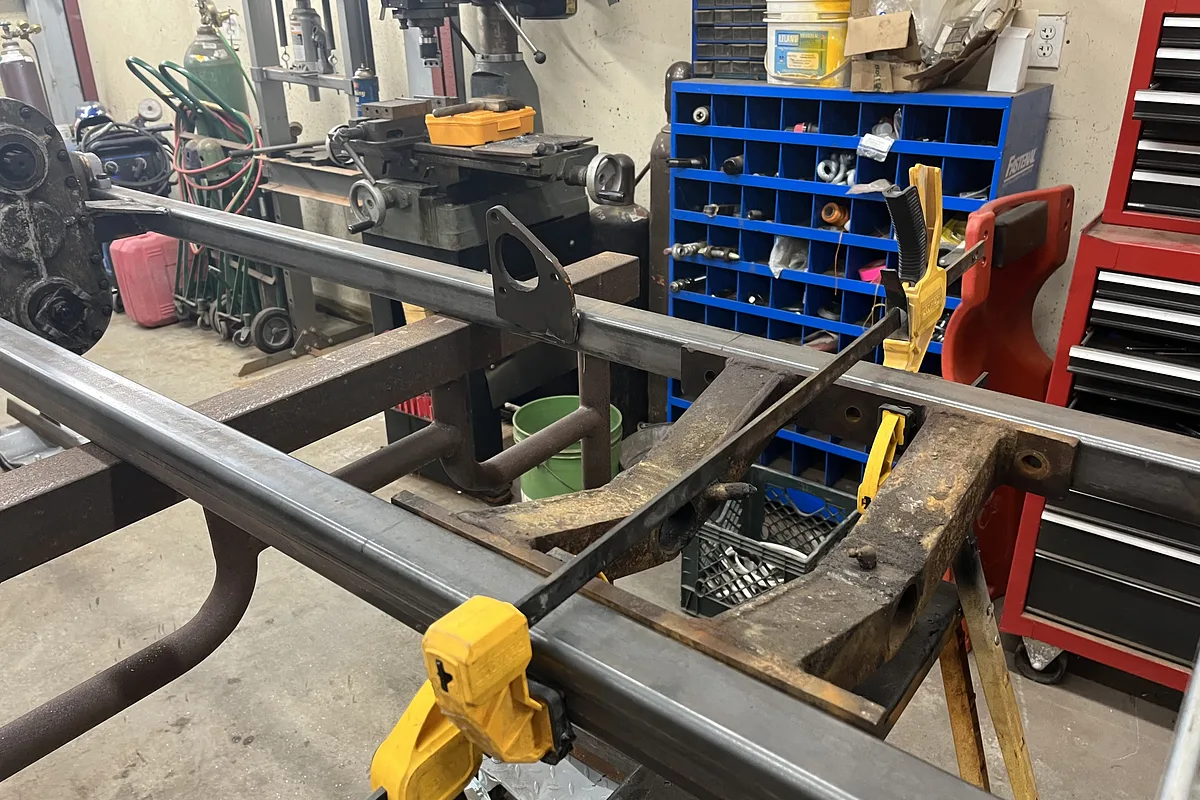
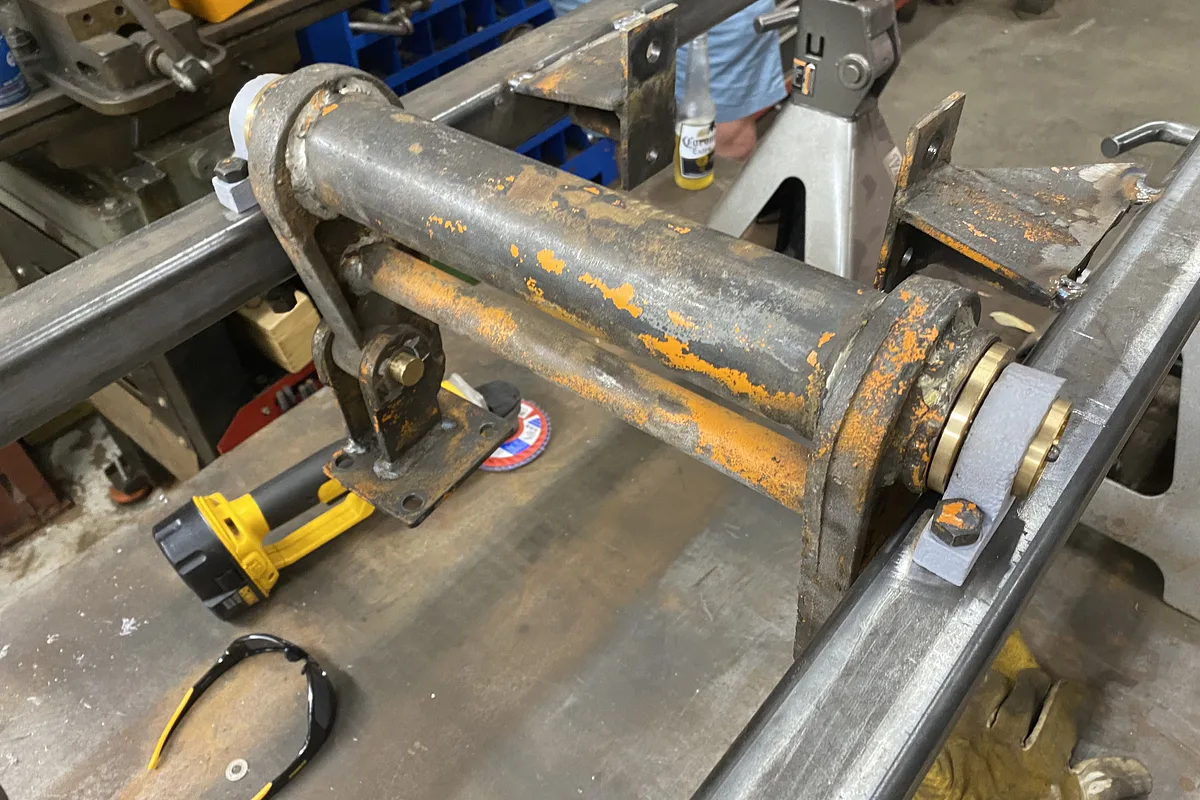
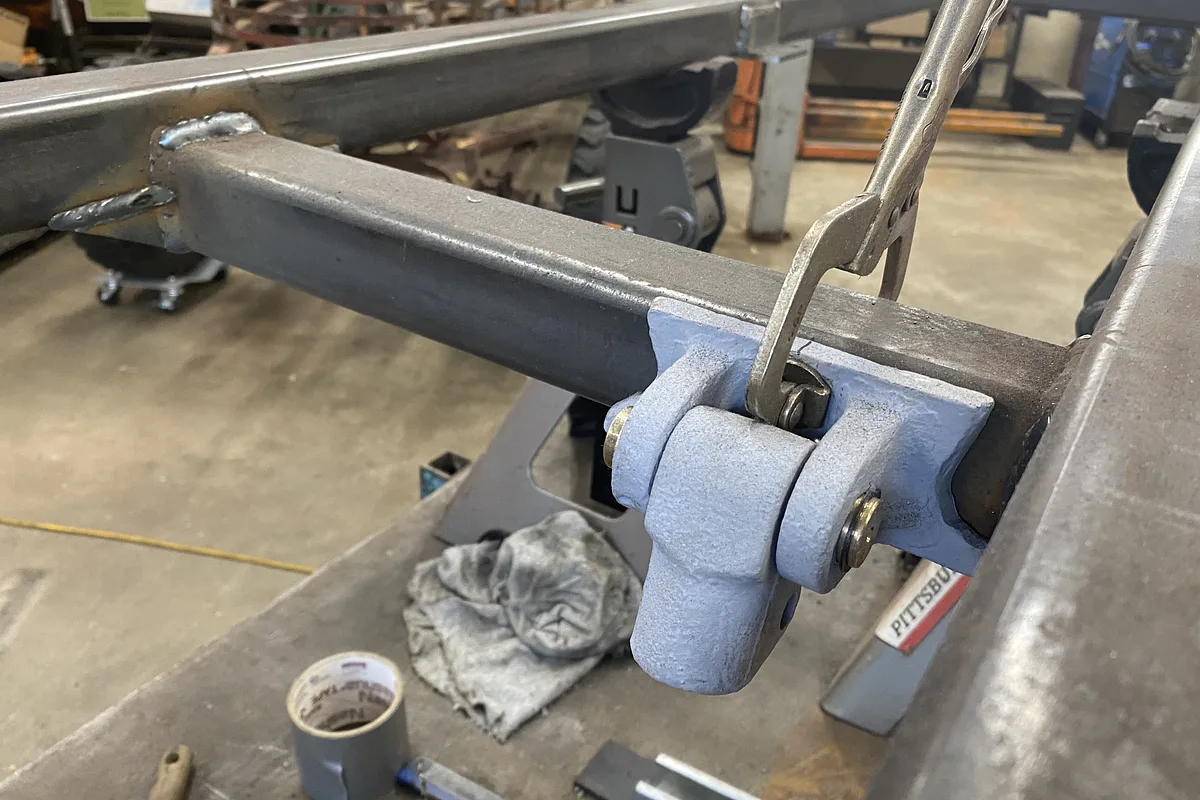
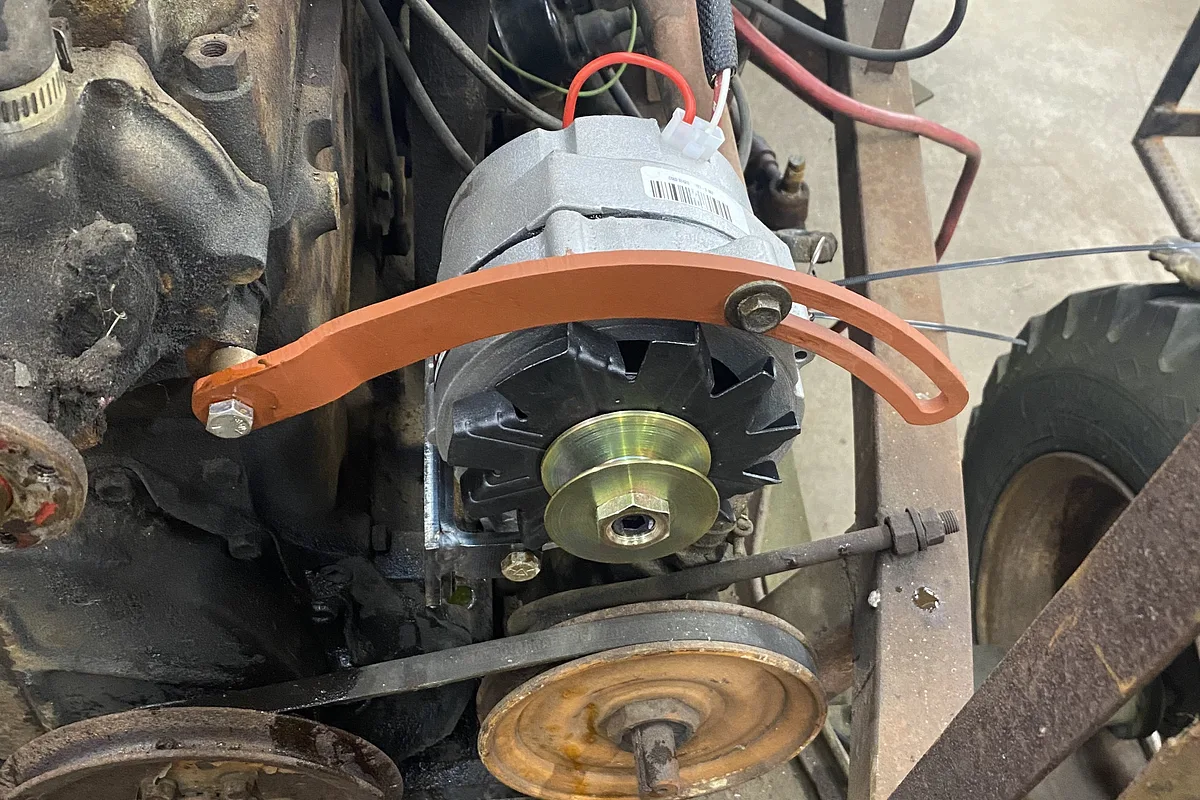
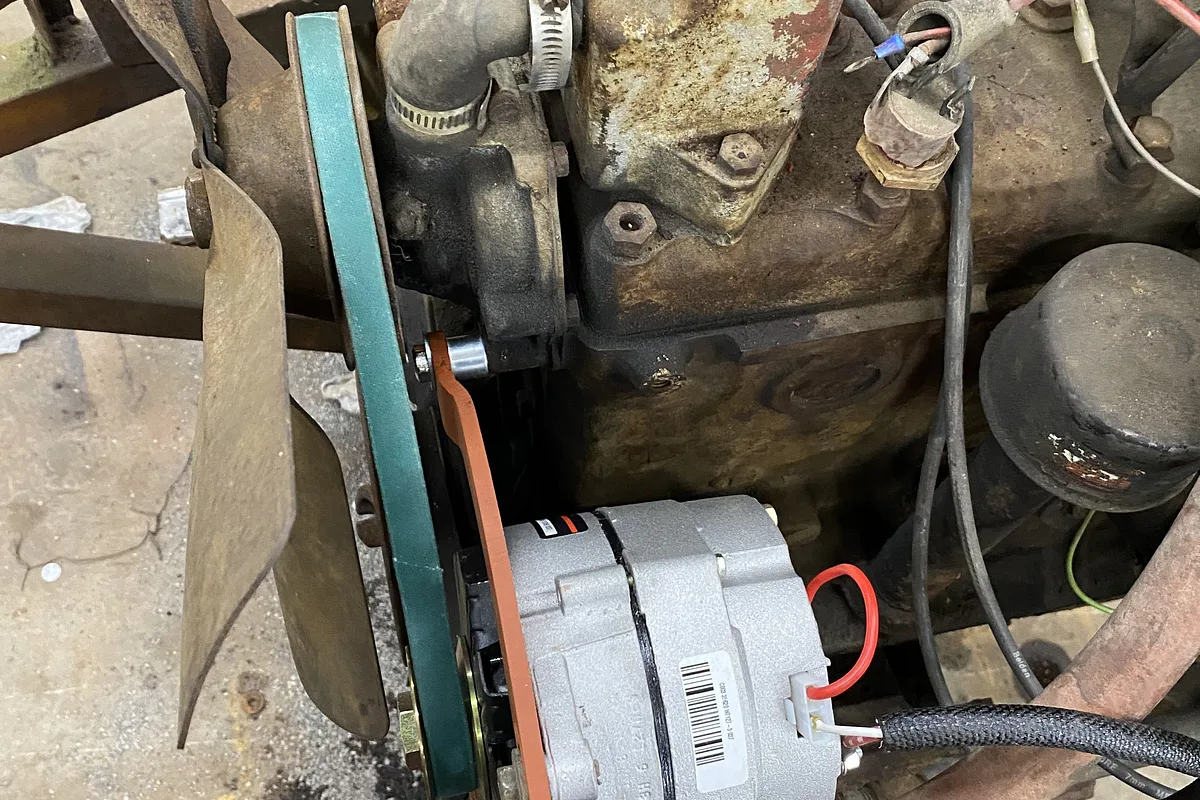
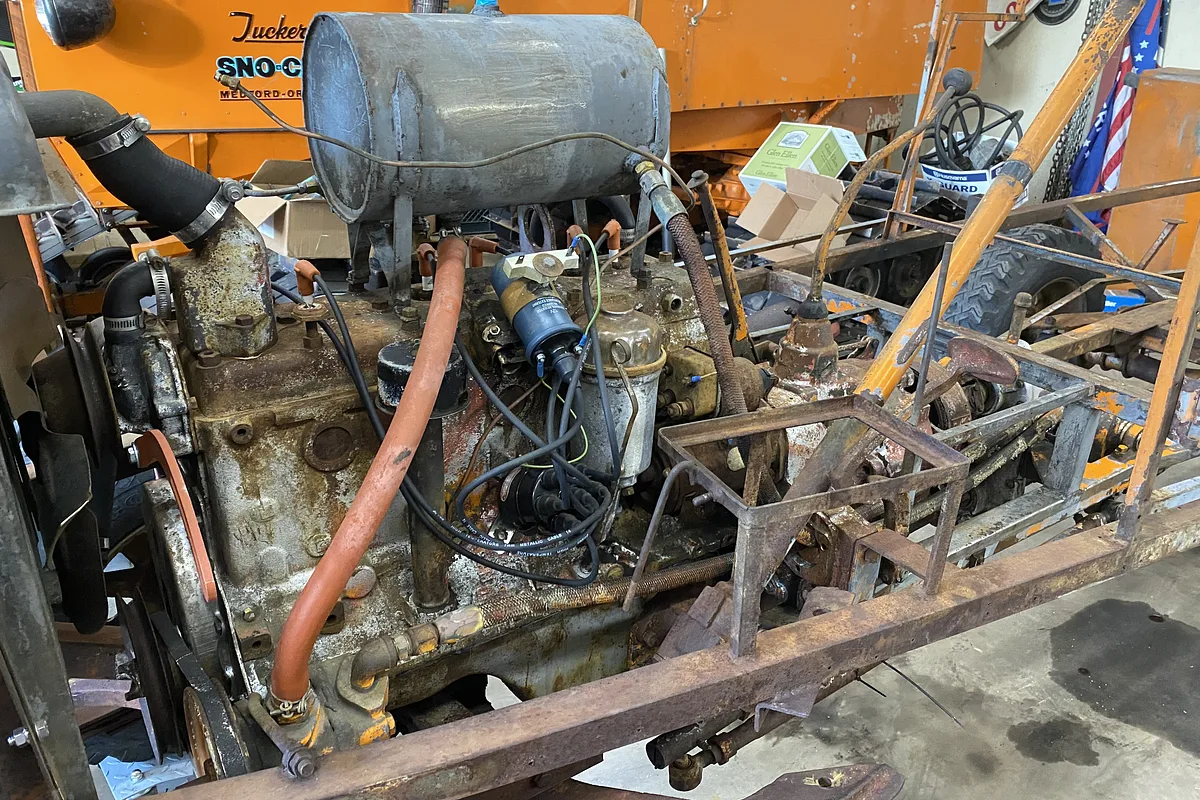
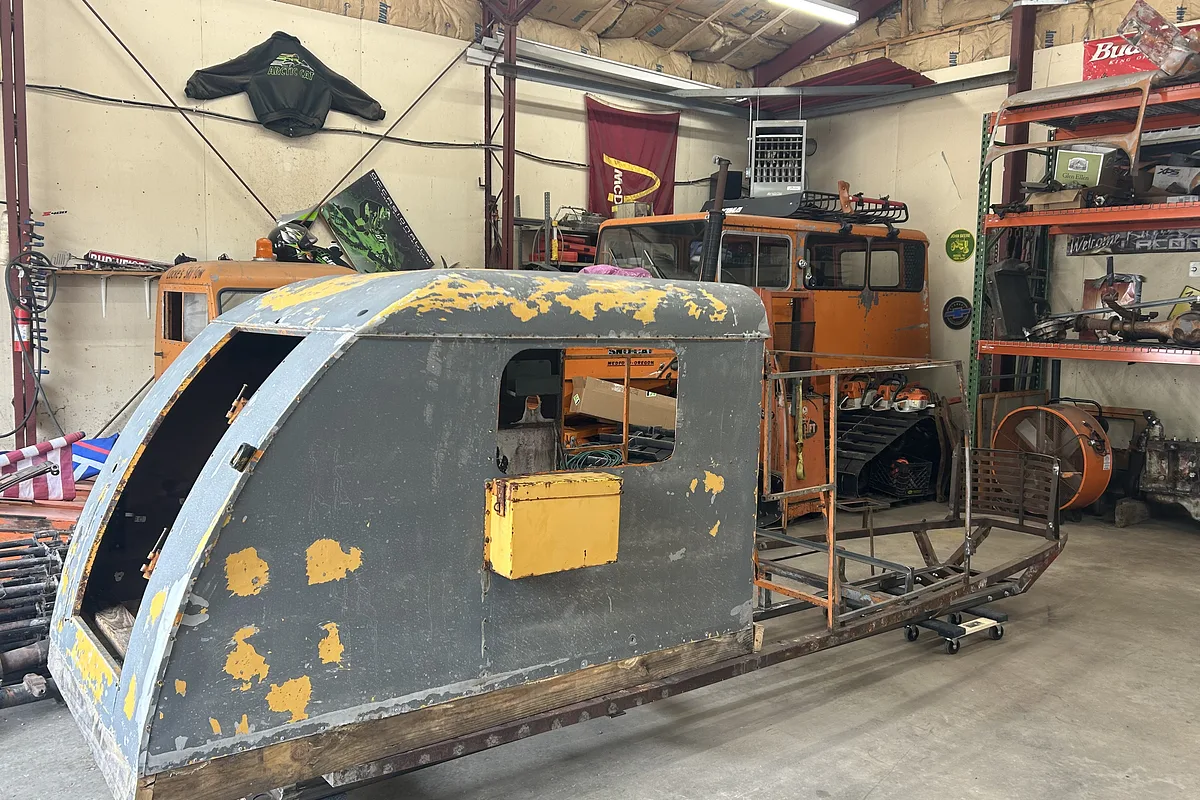
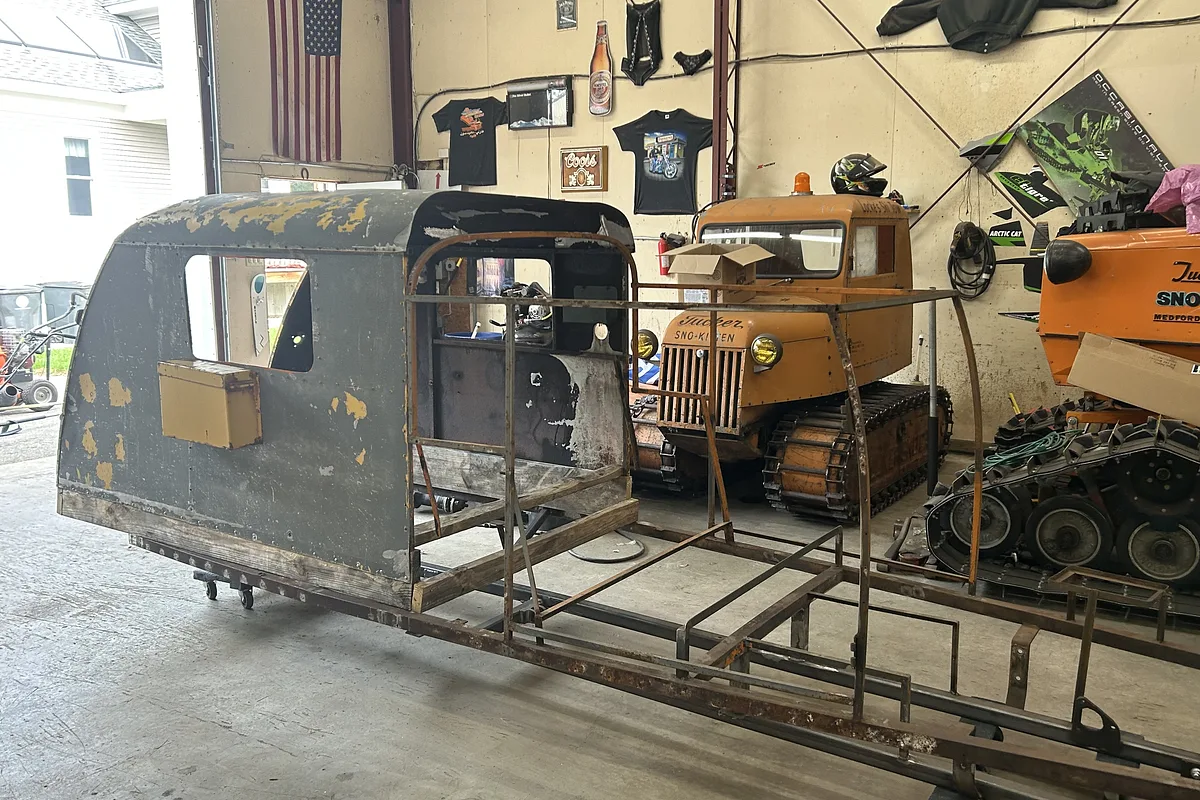
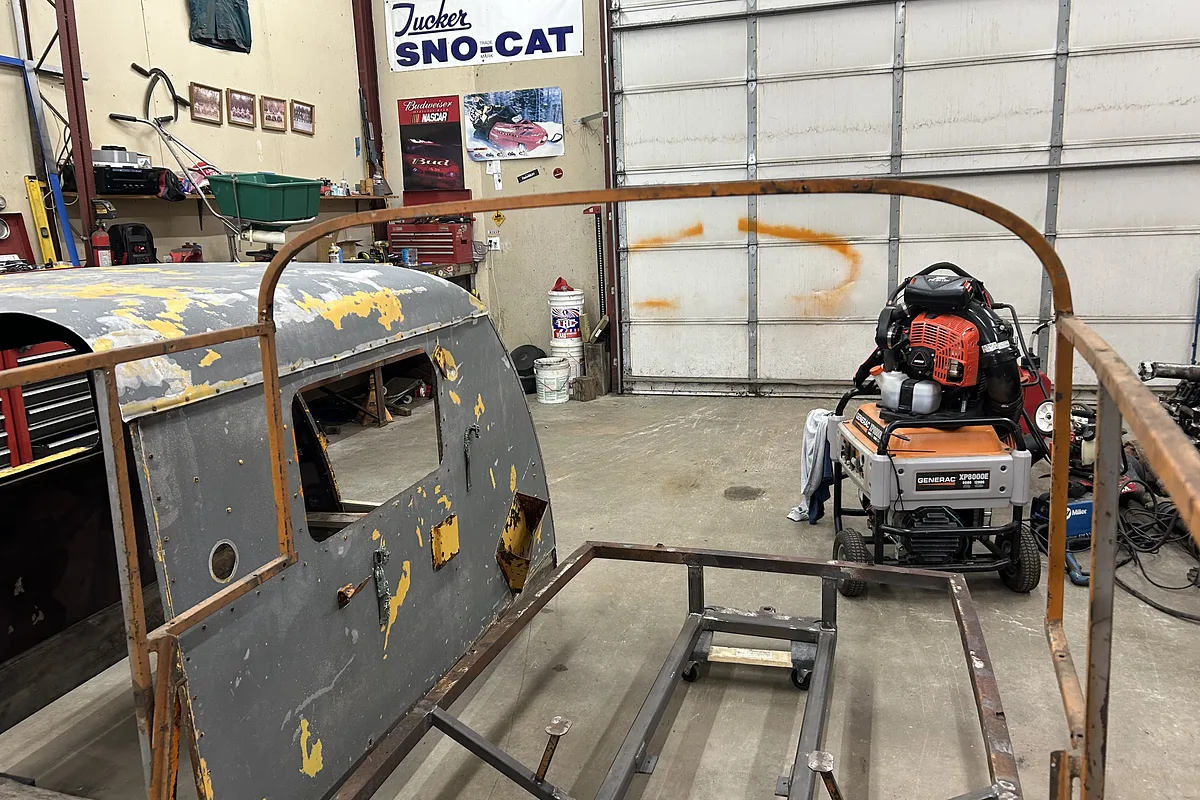
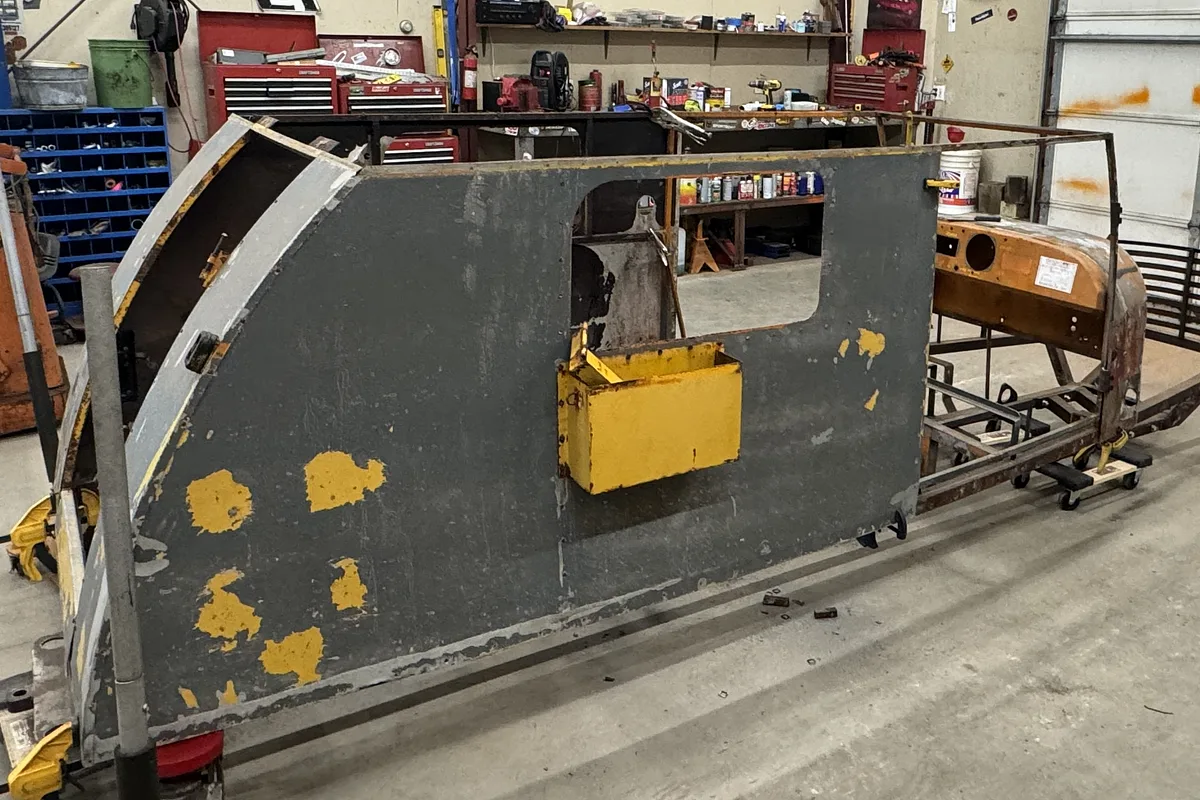
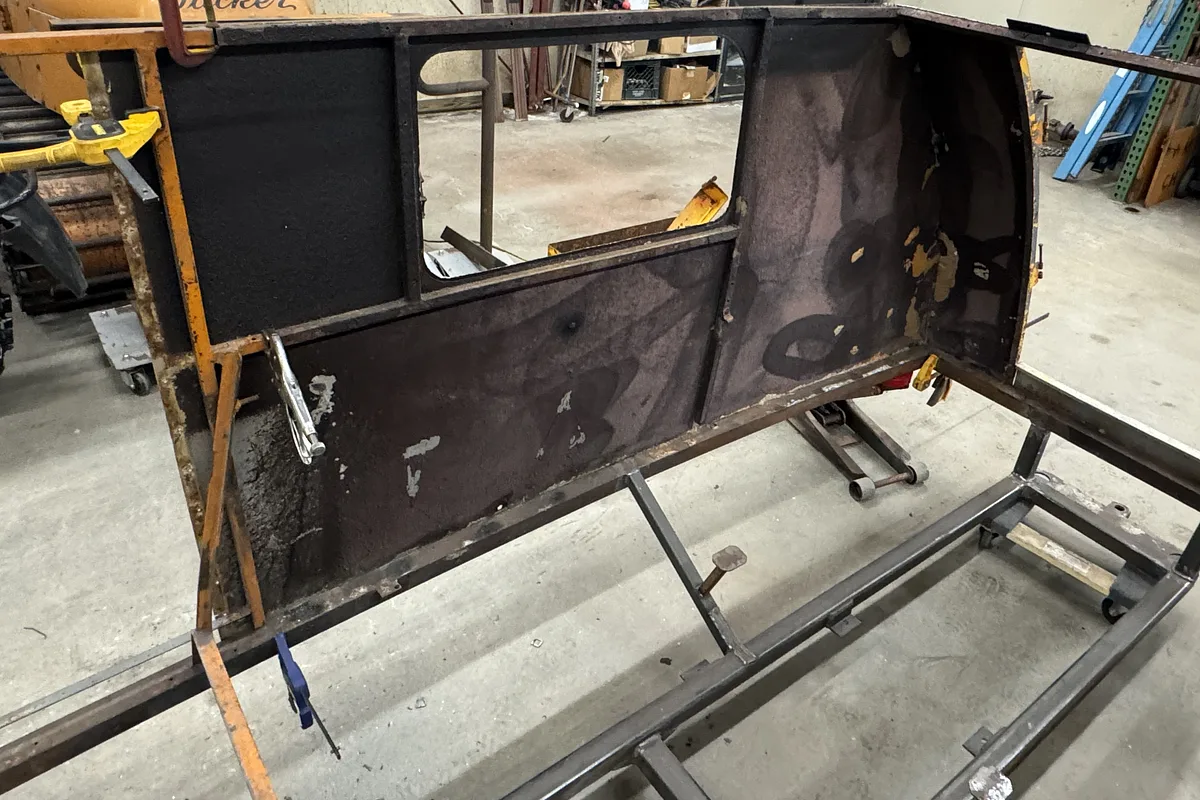
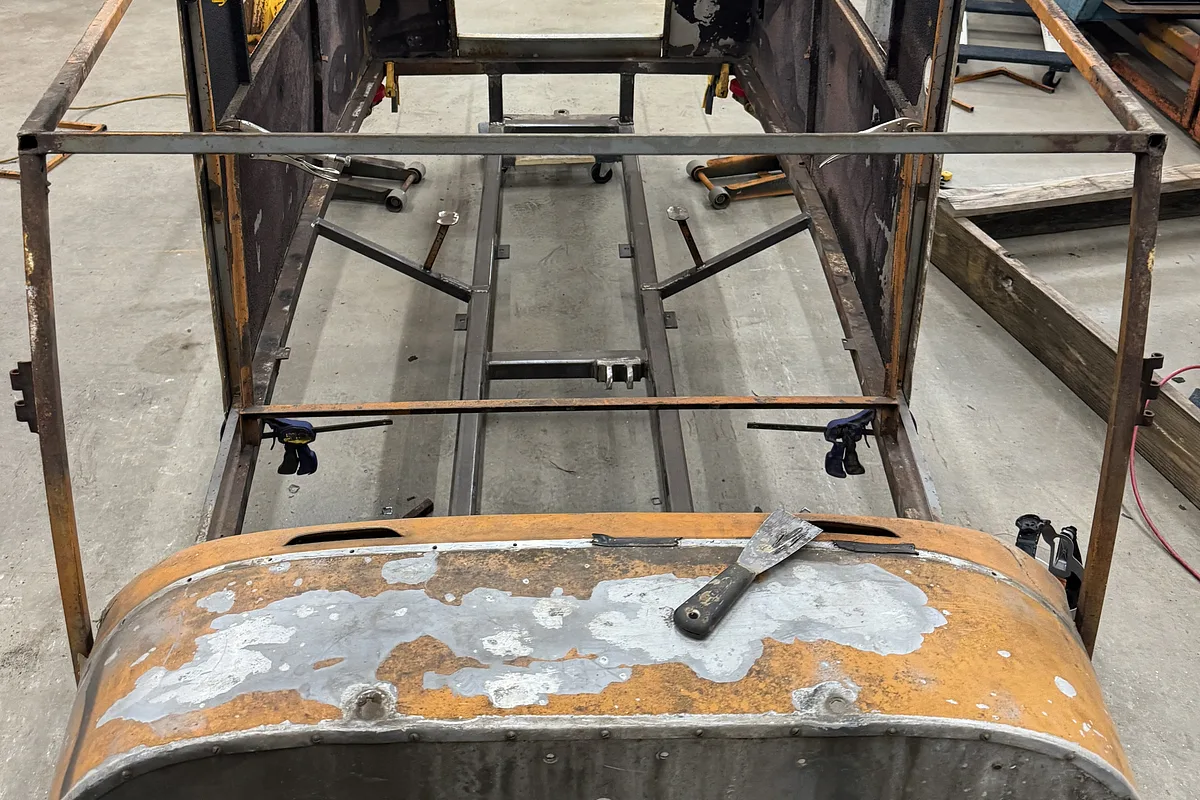
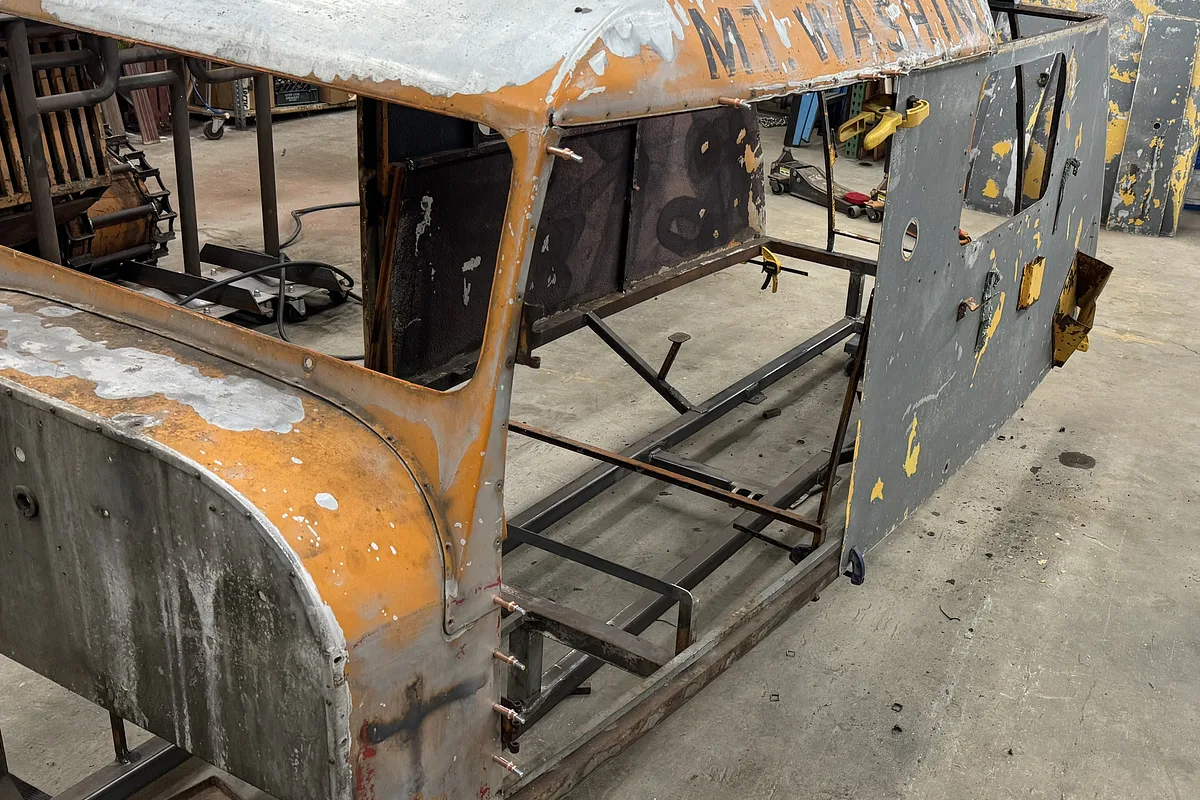
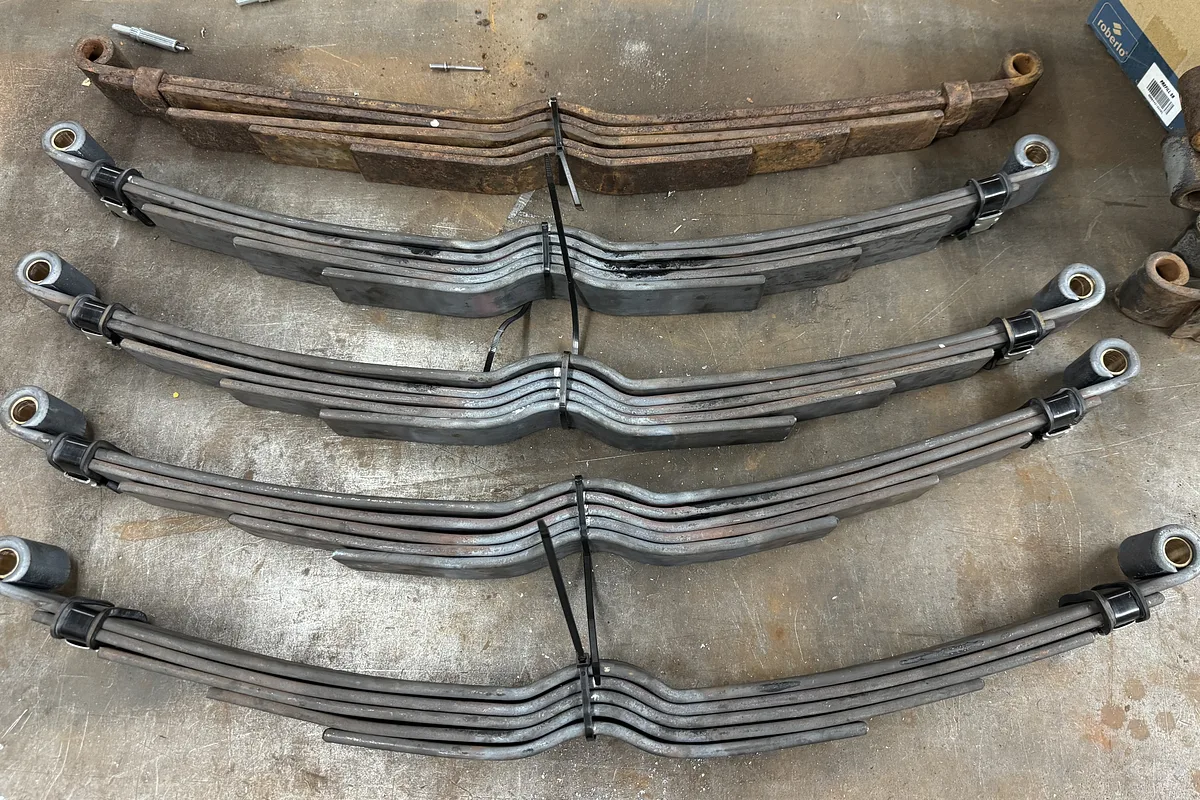
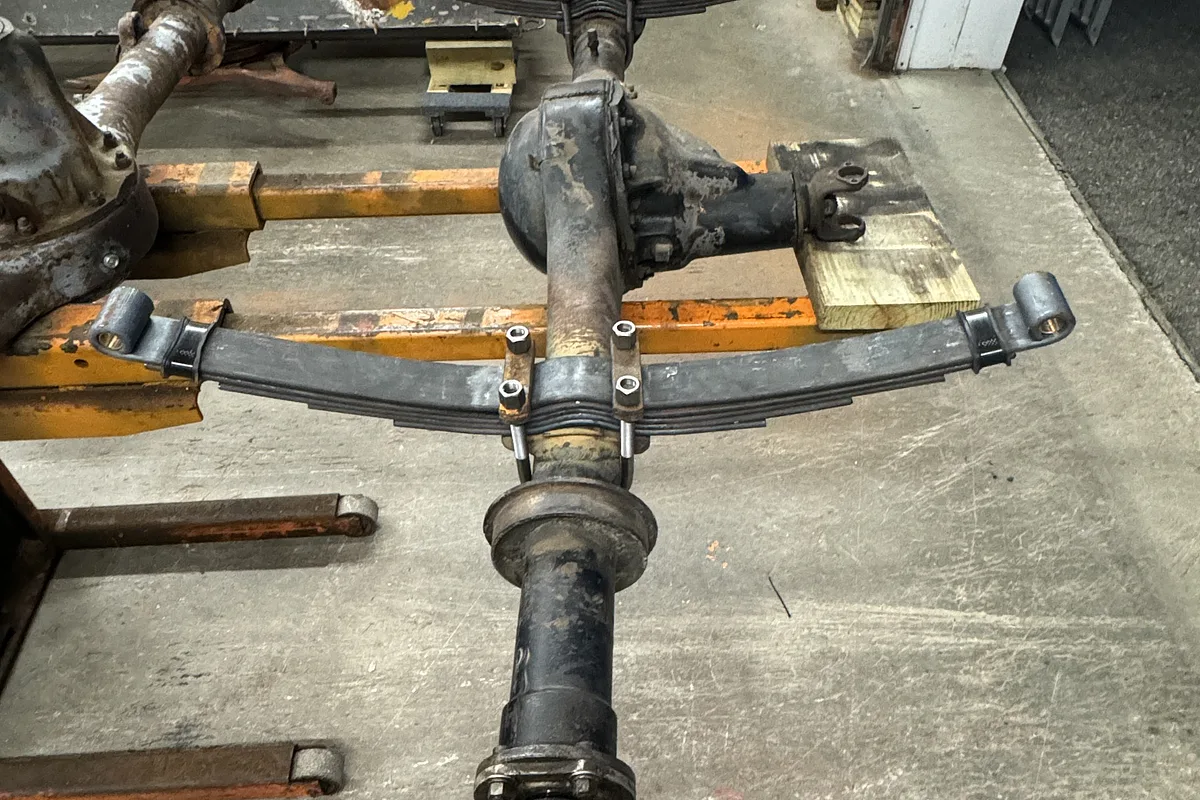
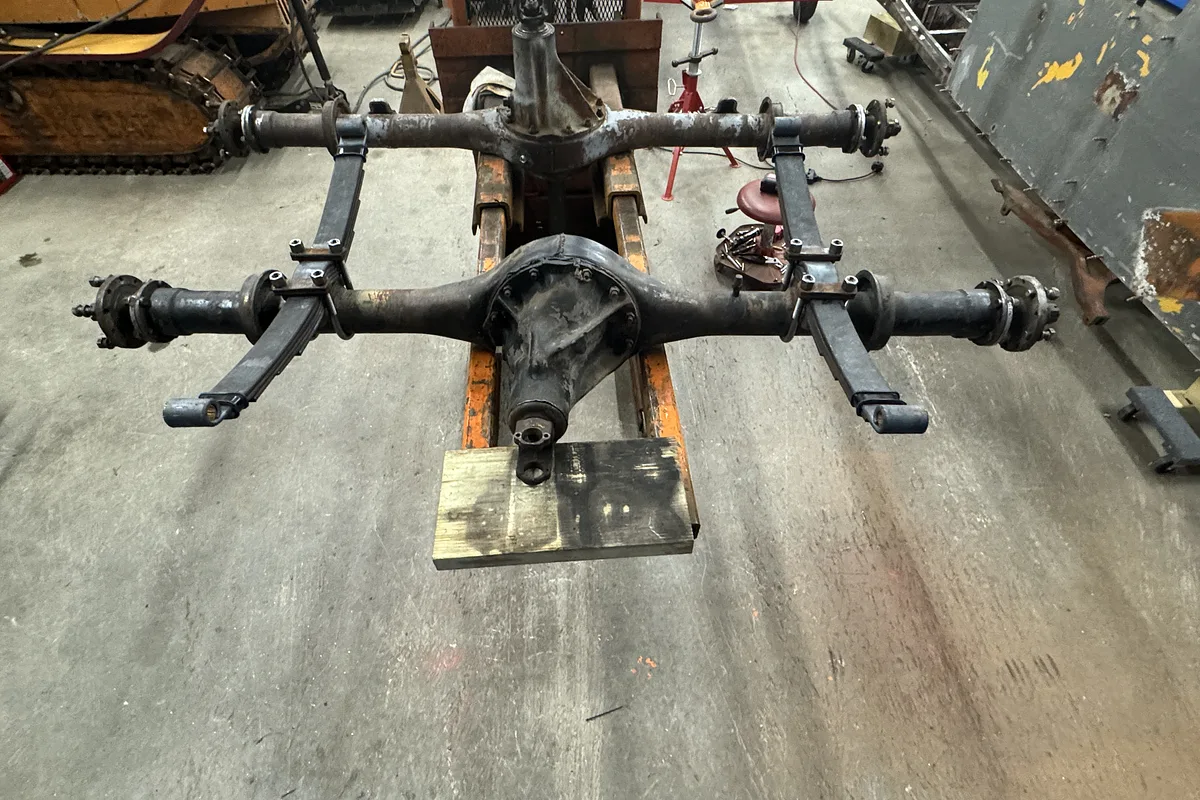
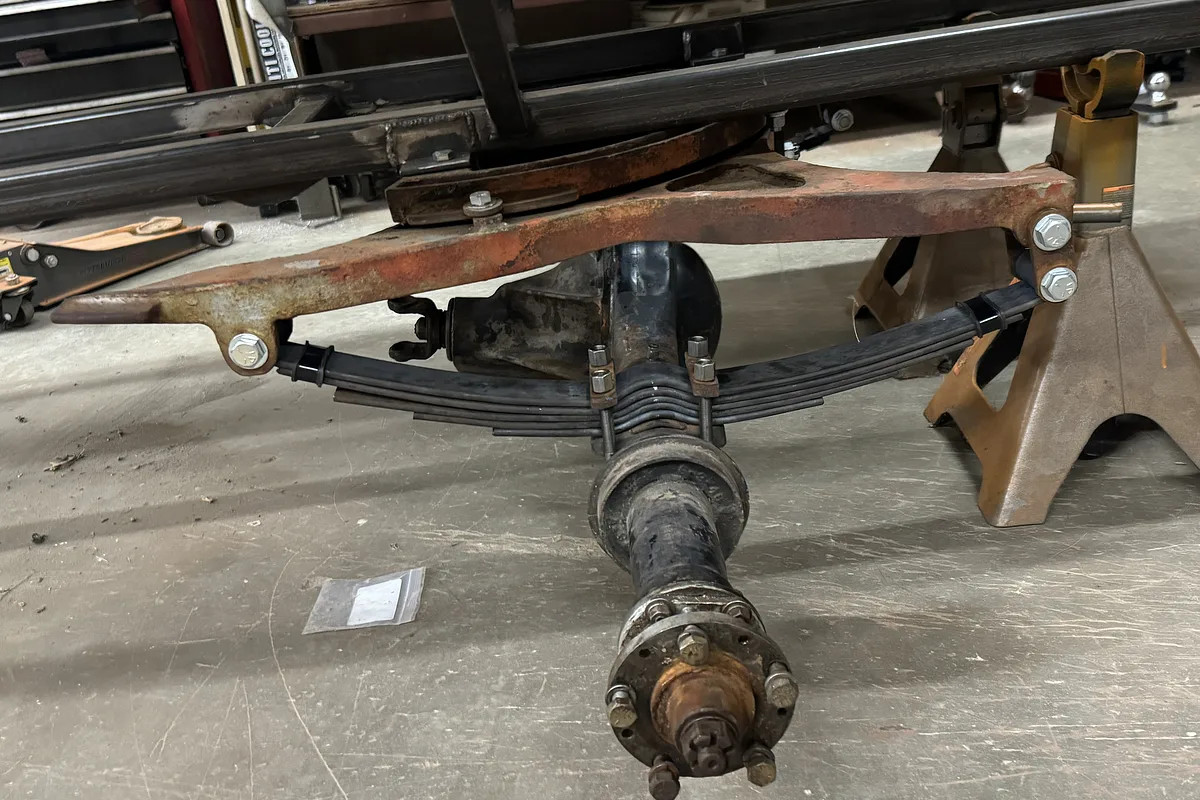
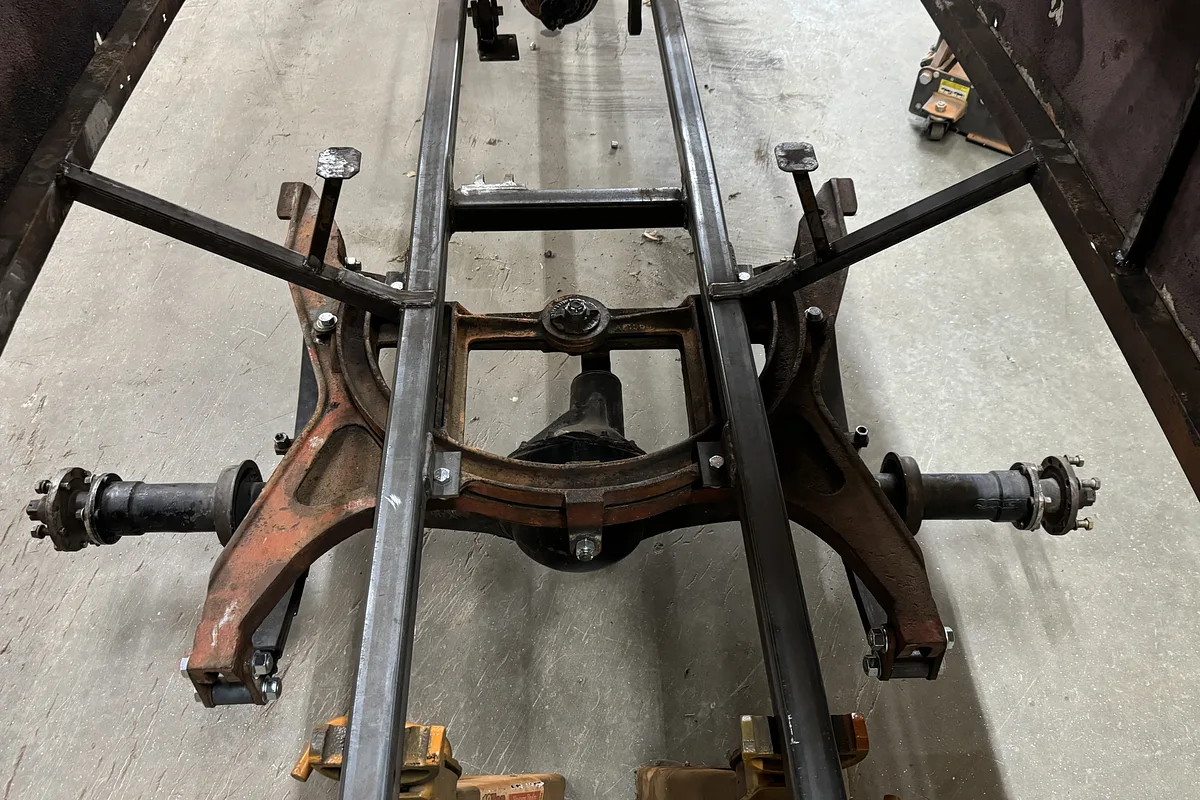
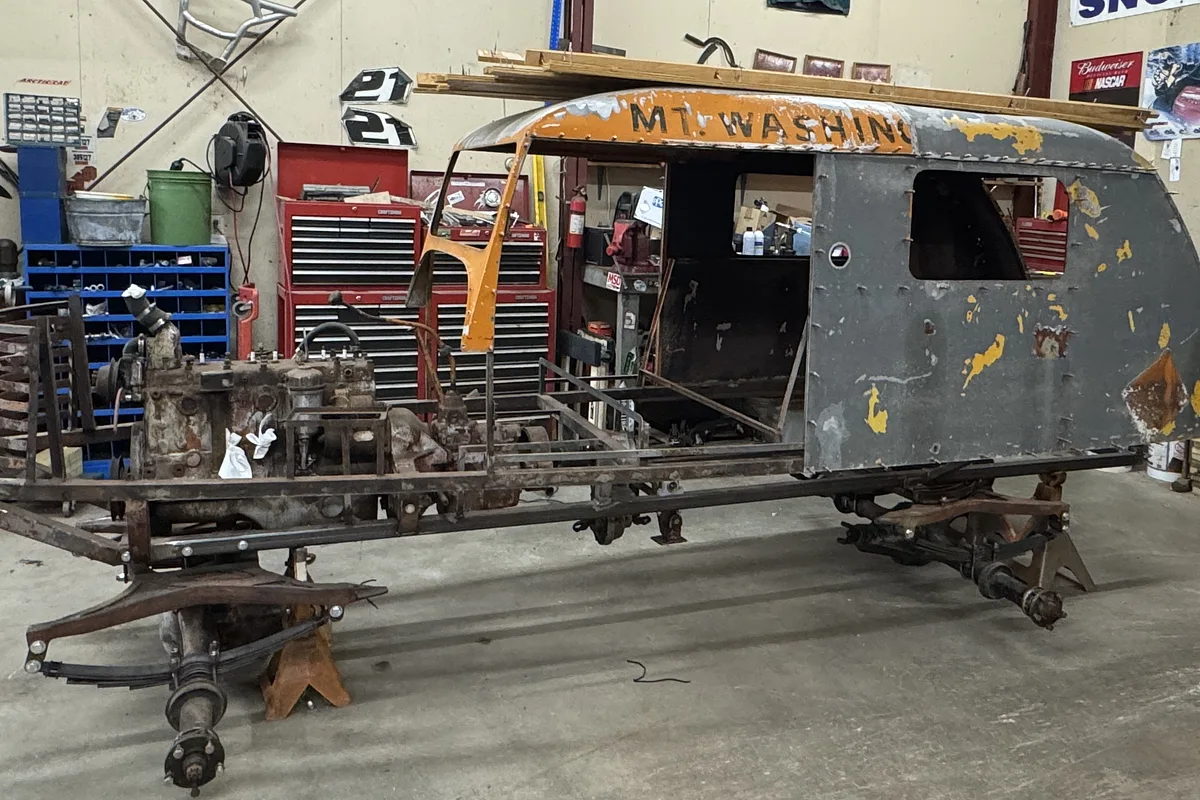
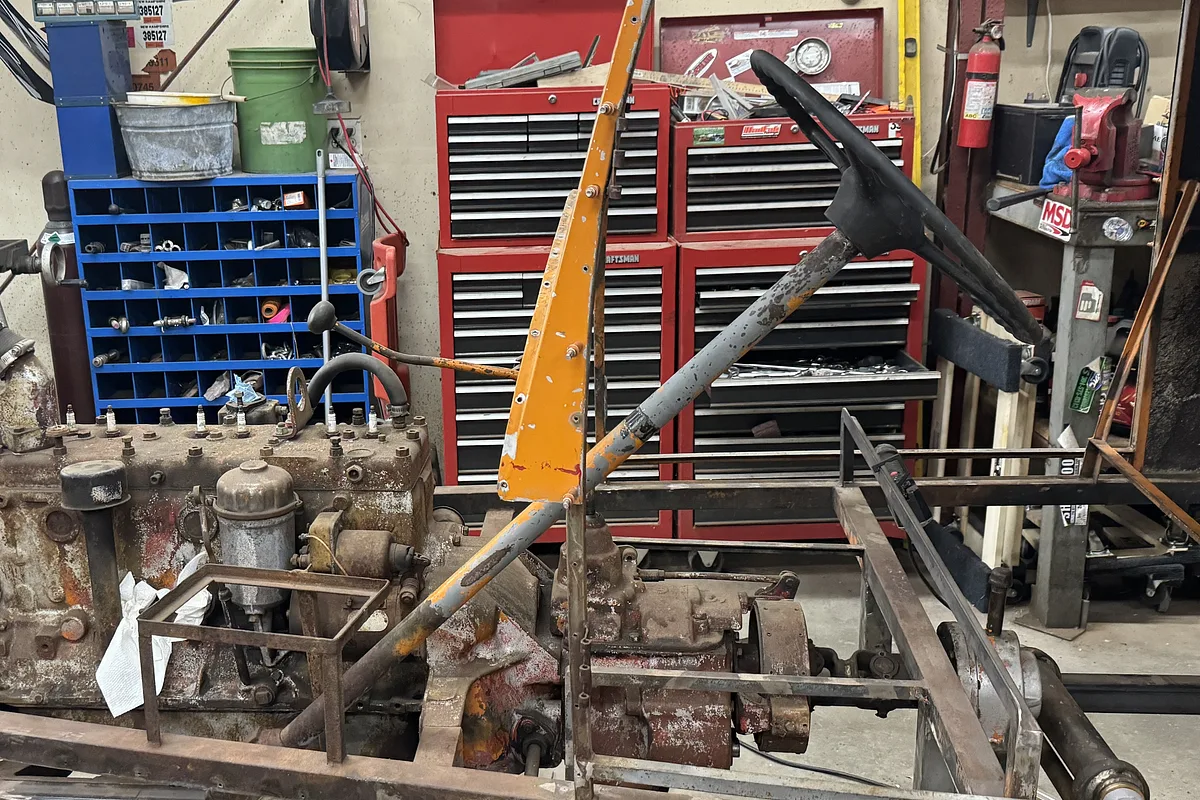
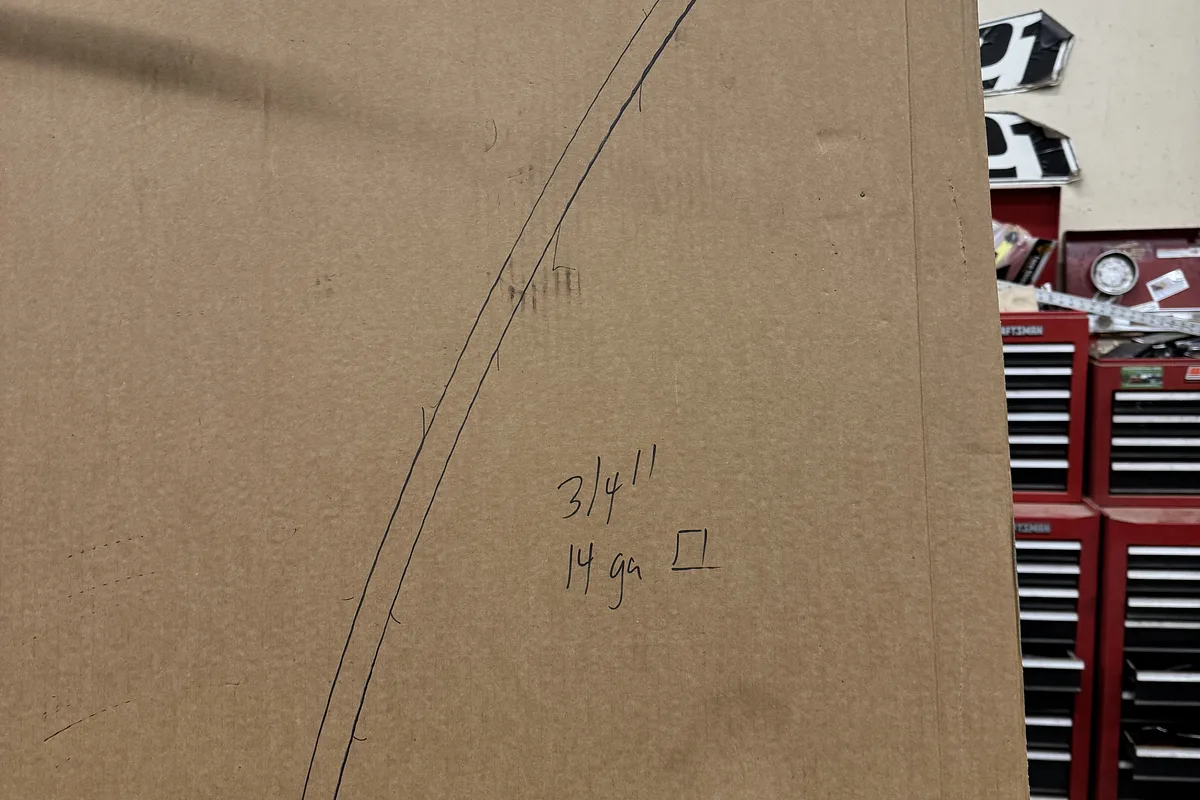
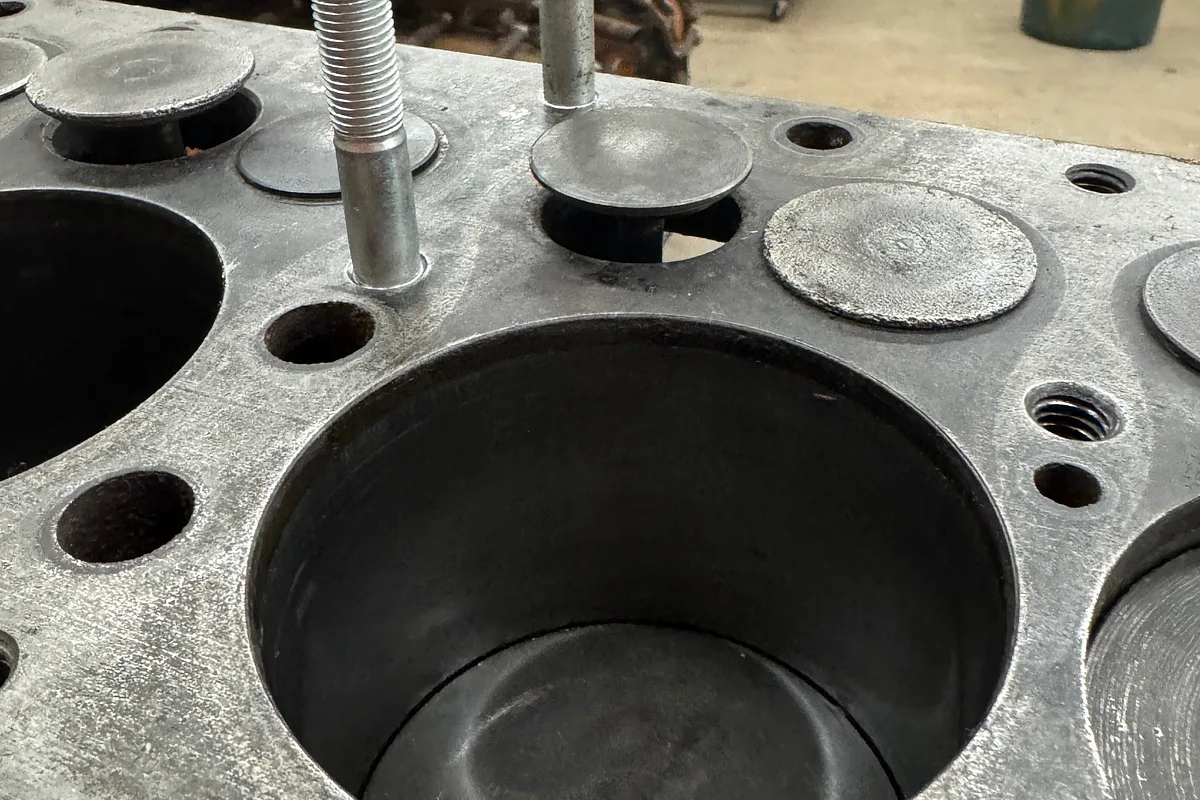
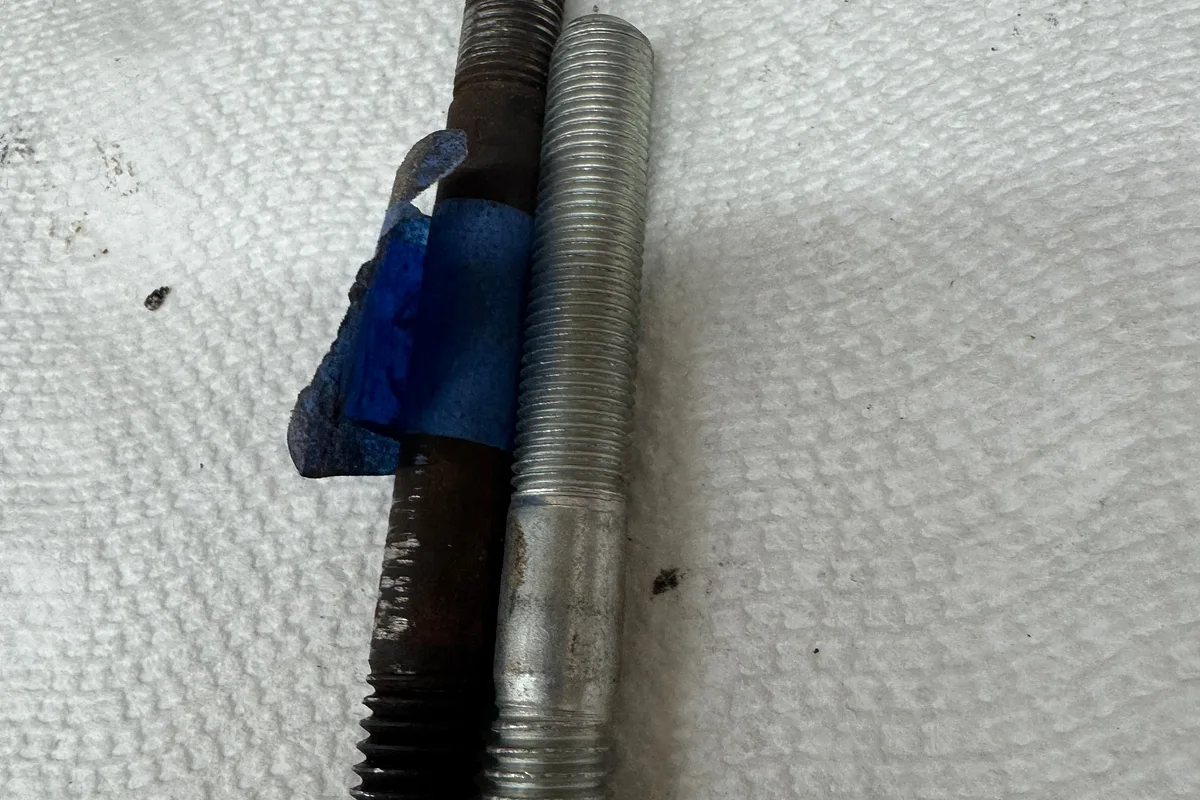
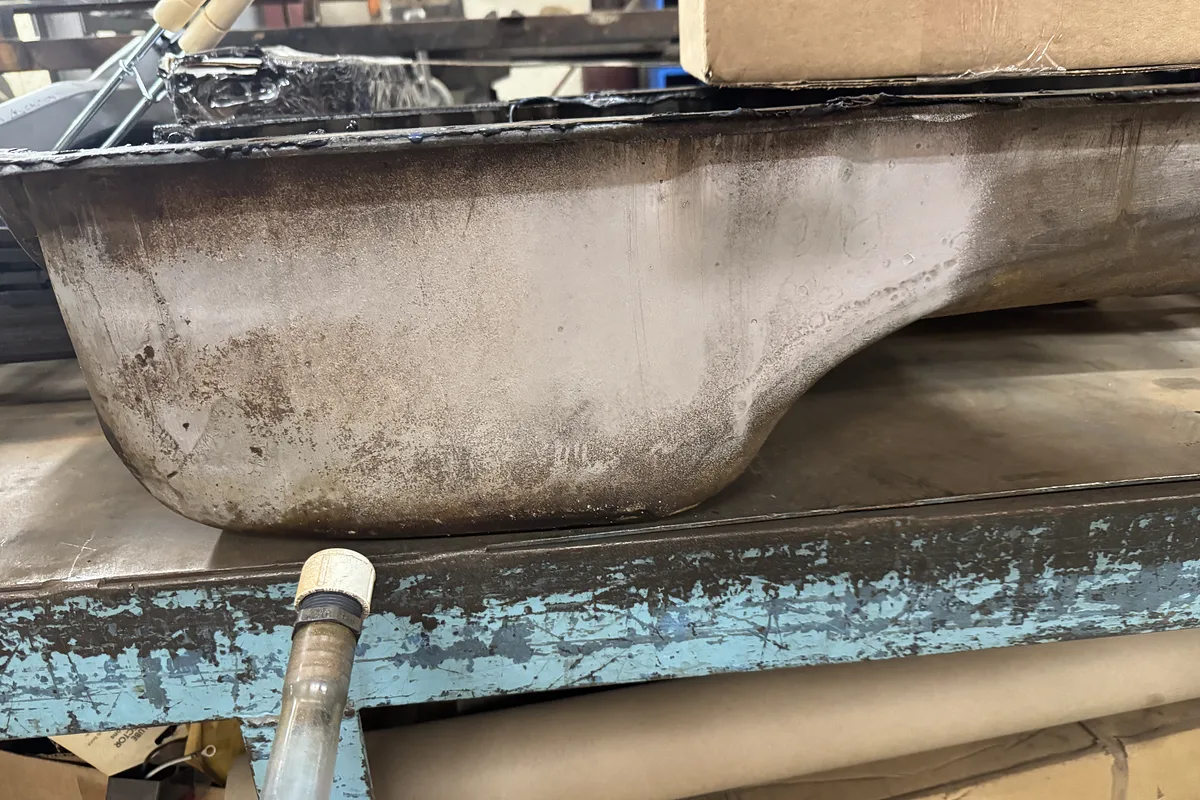
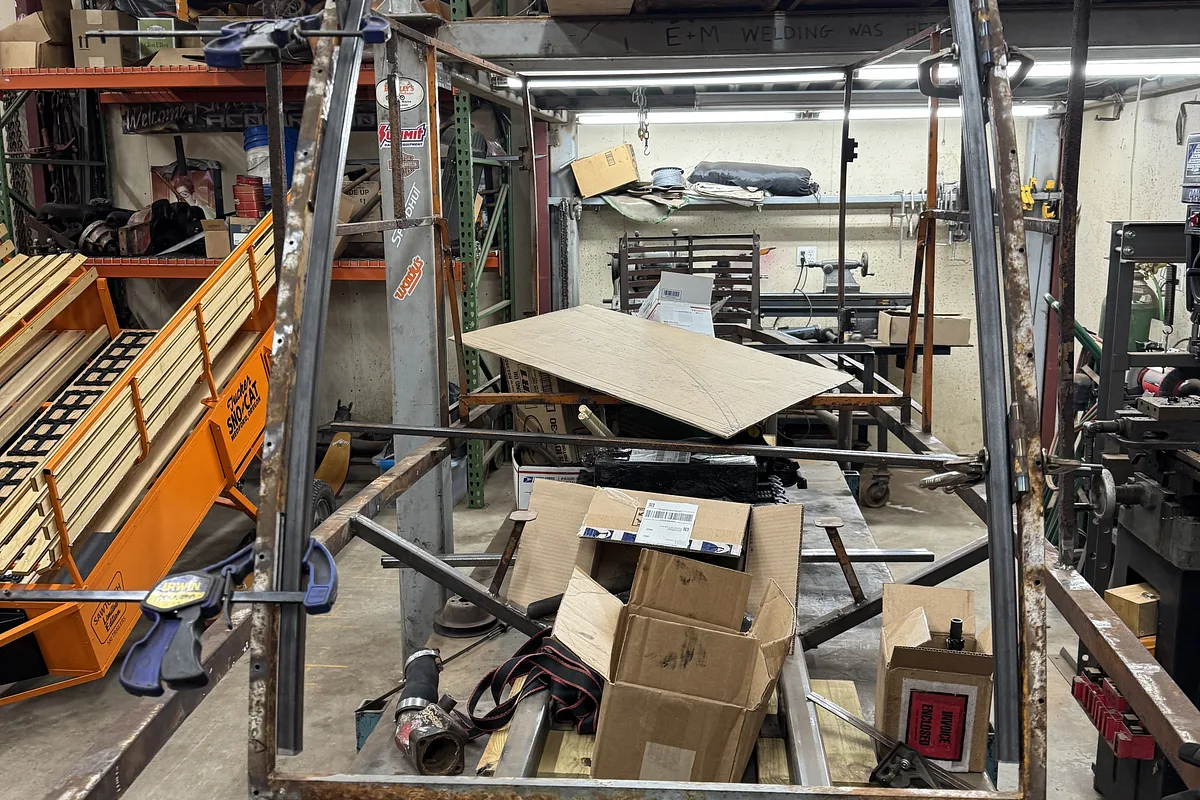
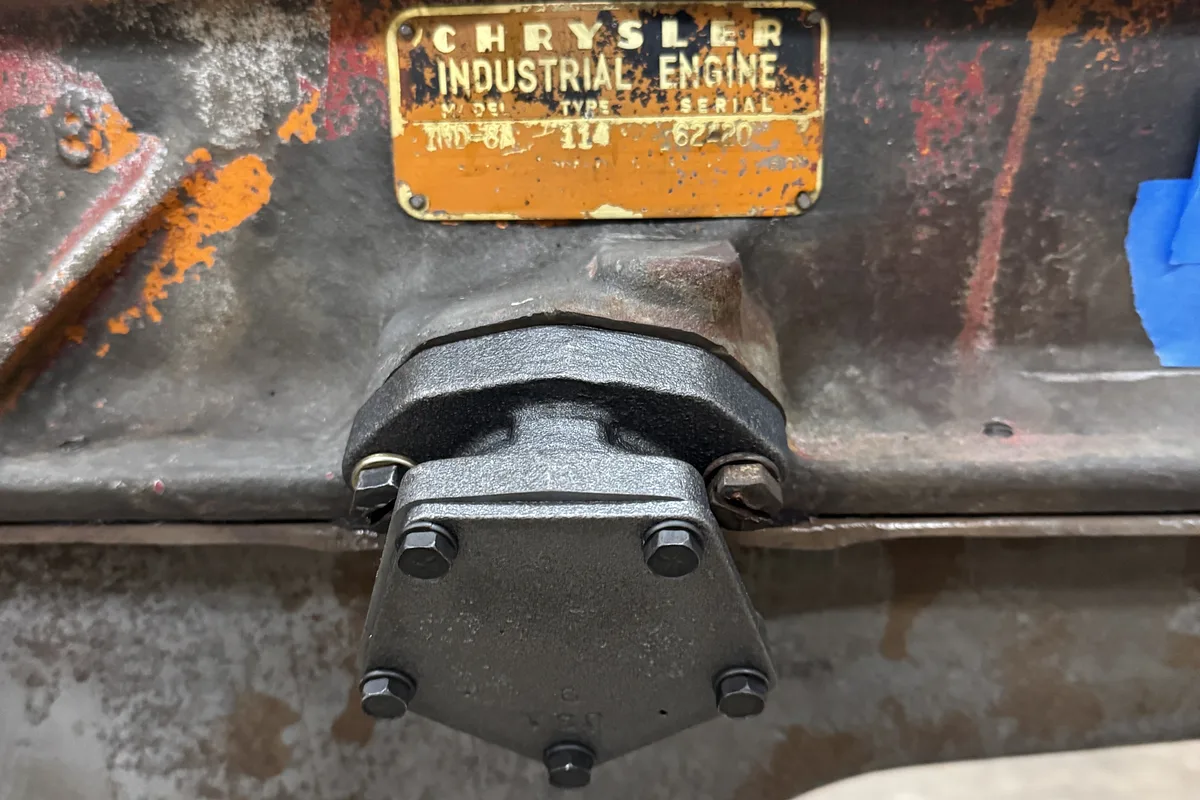
With major structural work behind us, the focus shifted to rebuilding, fitting, and refining. Components that had been cleaned, repaired, or carefully fabricated began finding their permanent home. Systems were test-fitted, adjustments were made, and each completed task revealed another piece of the finished vision.
Not everything fit perfectly the first time.
Some parts required modification. Others needed to be rebuilt again after discovering a better solution. That's simply part of restoring a hand-built Tucker, where no two machines are exactly alike.
The Tucker community continued to be an incredible resource throughout this phase. Advice, photographs, and years of experience helped confirm countless details and reminded me that preserving authenticity is just as important as making progress.
With every completed assembly, Marty looked a little less like a restoration project...
...and a little more like the legendary Sno-Cat she once was.


Voices From the Journey

"She's really starting to come together now." — Fellow Tucker enthusiast

Steward's Notes

  •  The final details often take the most time. 
  •  Test-fit everything before calling it finished. 
  •  Original craftsmanship deserves patience and respect. 
  •  Momentum comes from solving one problem at a time. 
  •  Every completed assembly is another step toward preserving history.

Coming Up Next

The finish line is getting closer, but there are still plenty of details to perfect. As Marty continues to come together, every completed system brings the day she's back in the snow one step closer.

Milestone 14 Piece by Piece

Aug 29, 2021 · 14 photos

Milestone 14

Piece by Piece

Timeline: 2021–Present
With Marty running again, the project reached an exciting turning point.
The goal was no longer to find out if the machine could be saved.
Now it was time to bring it back the right way.
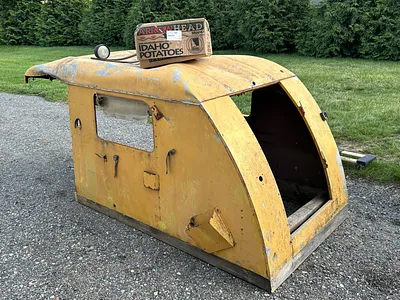
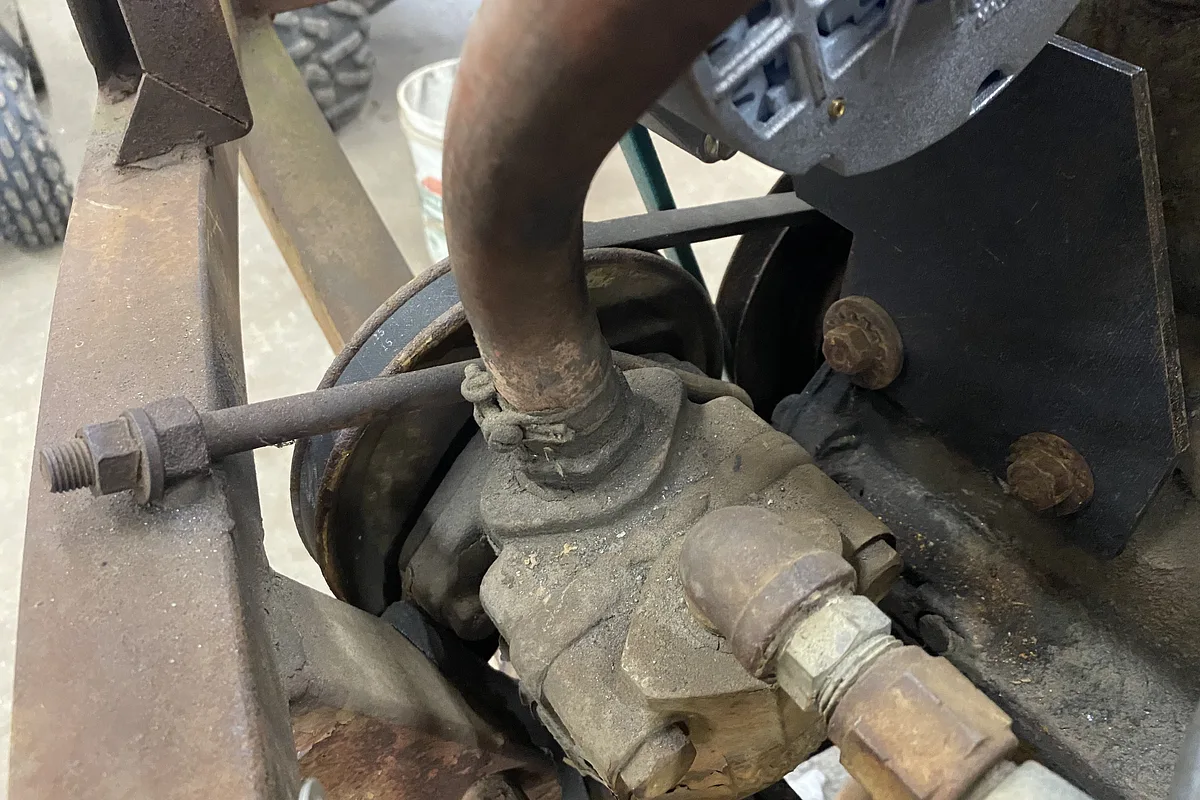
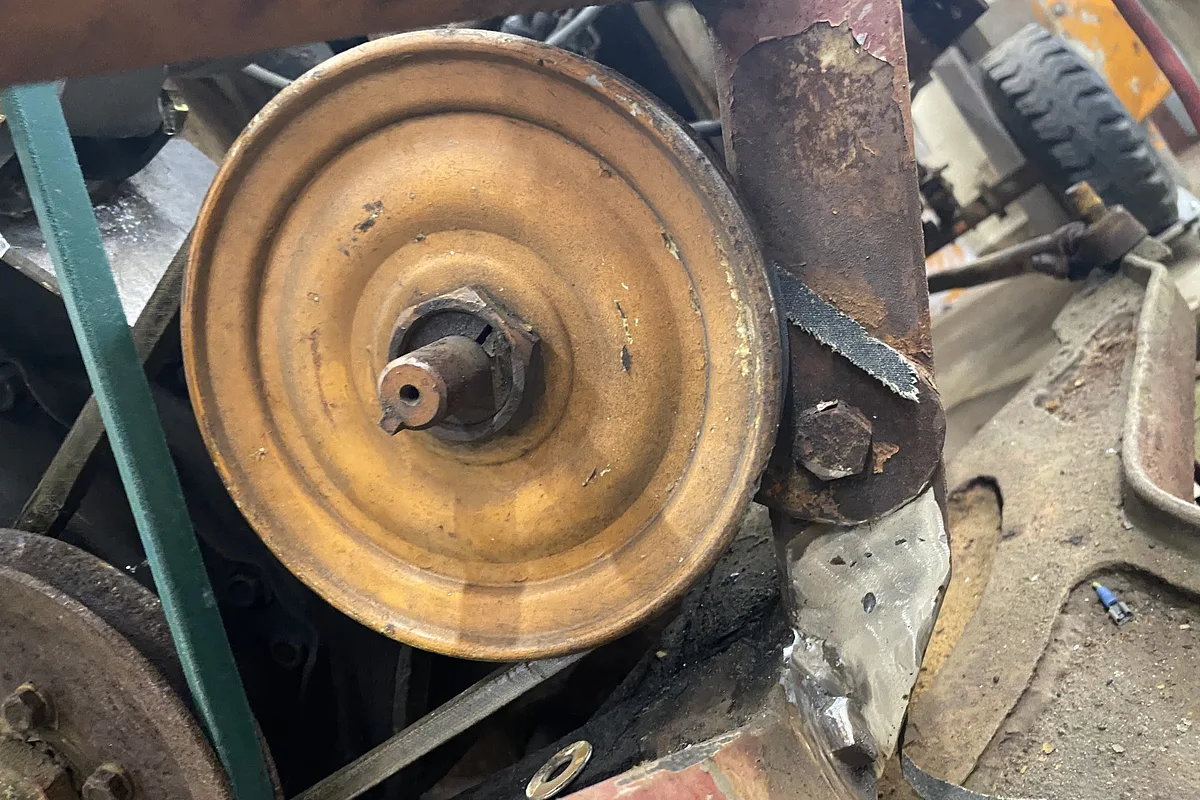
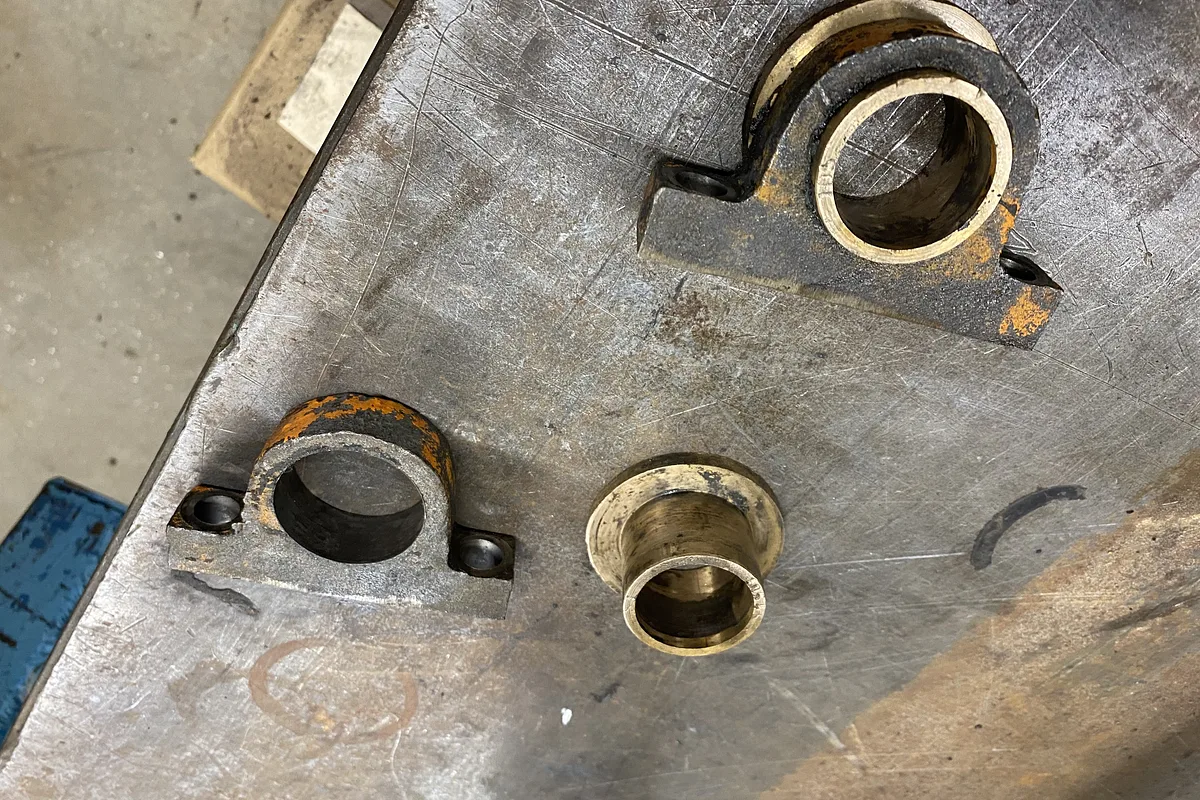
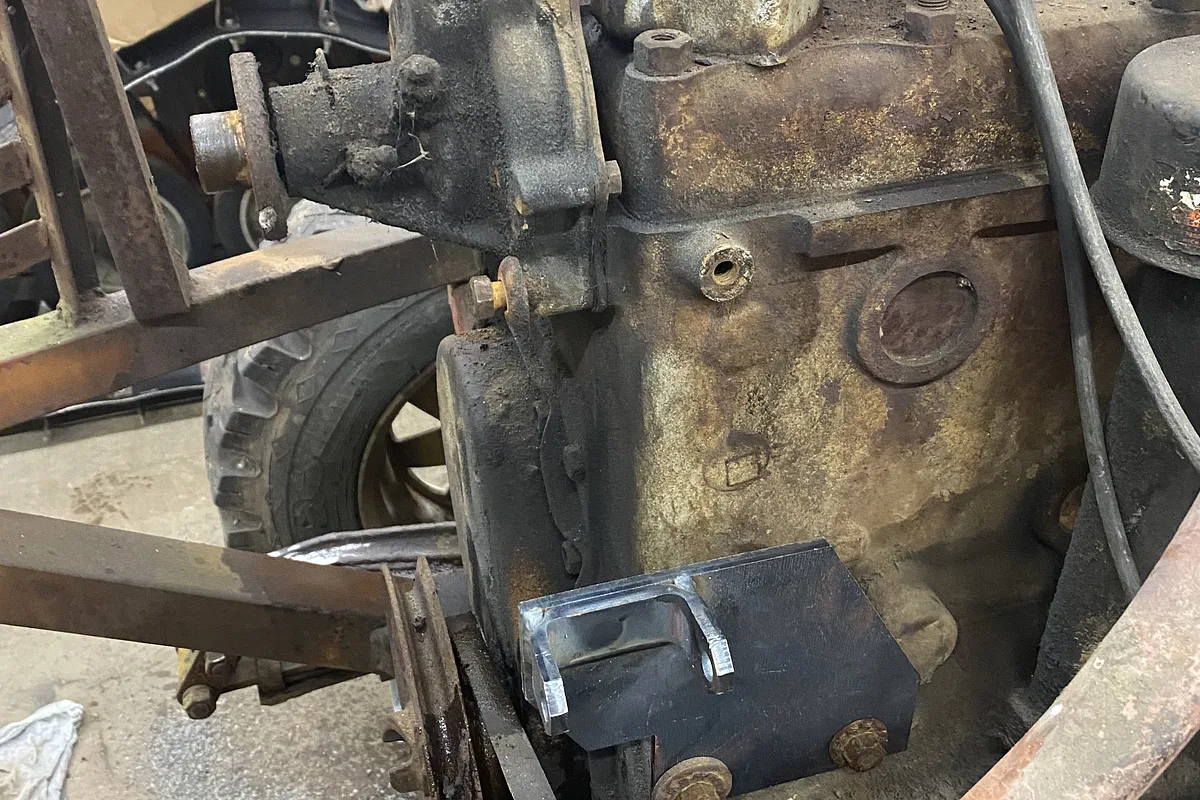
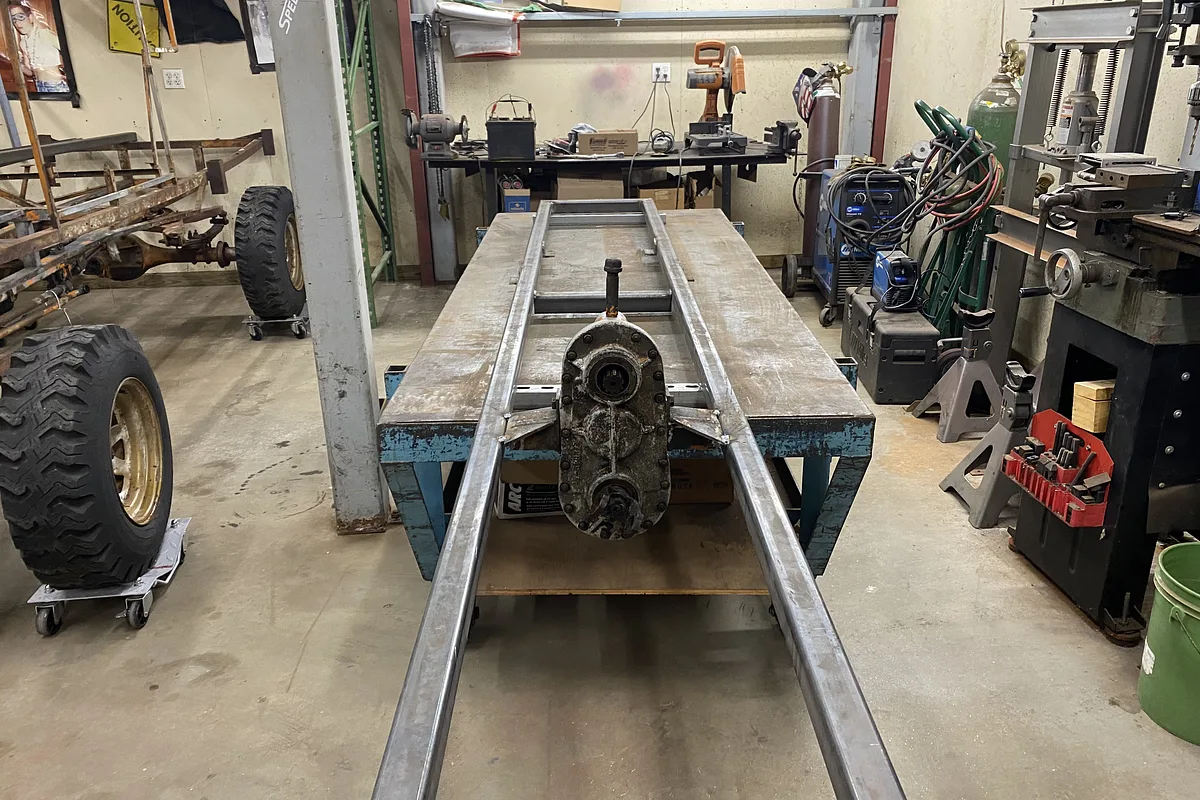
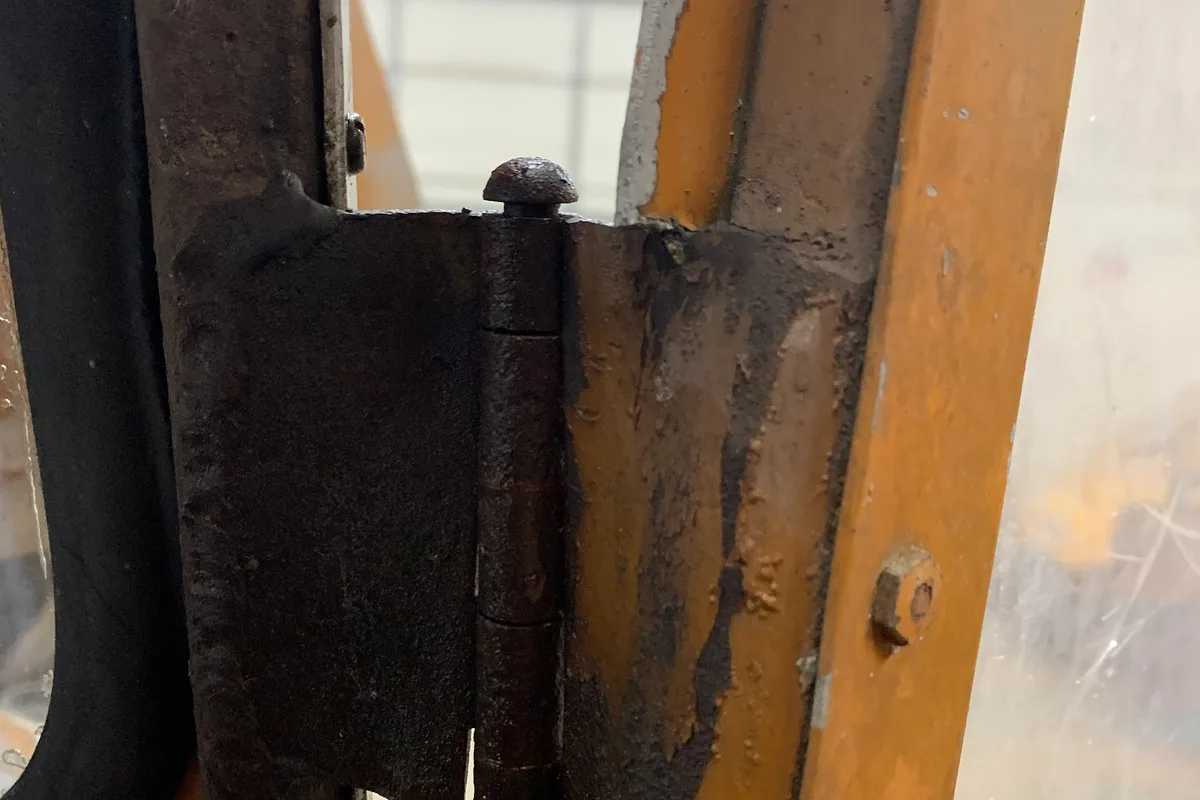
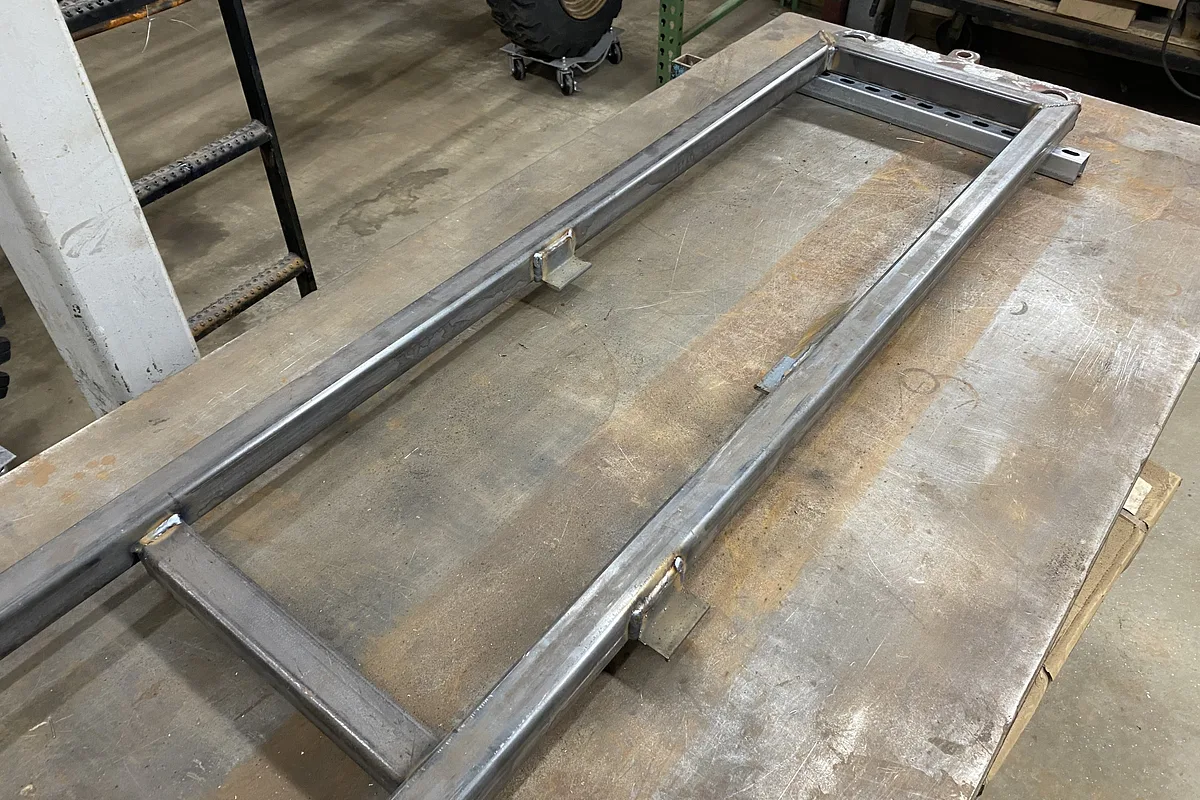
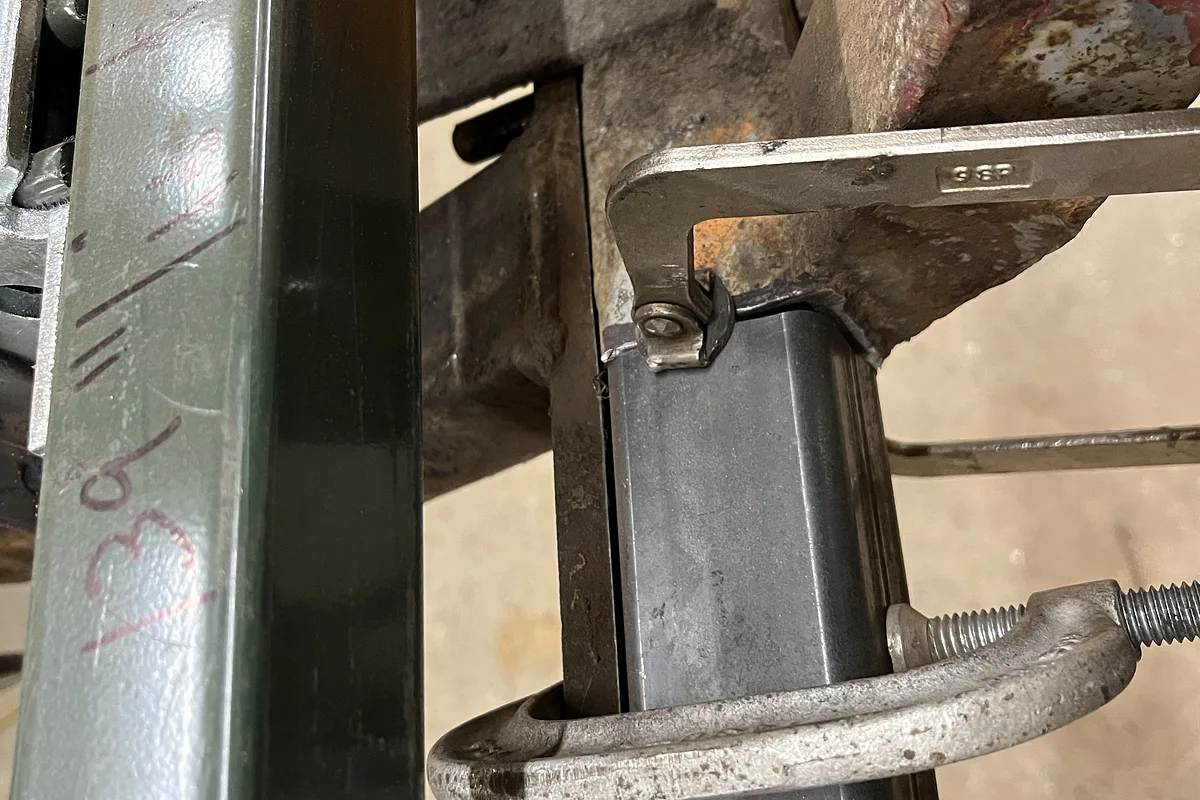
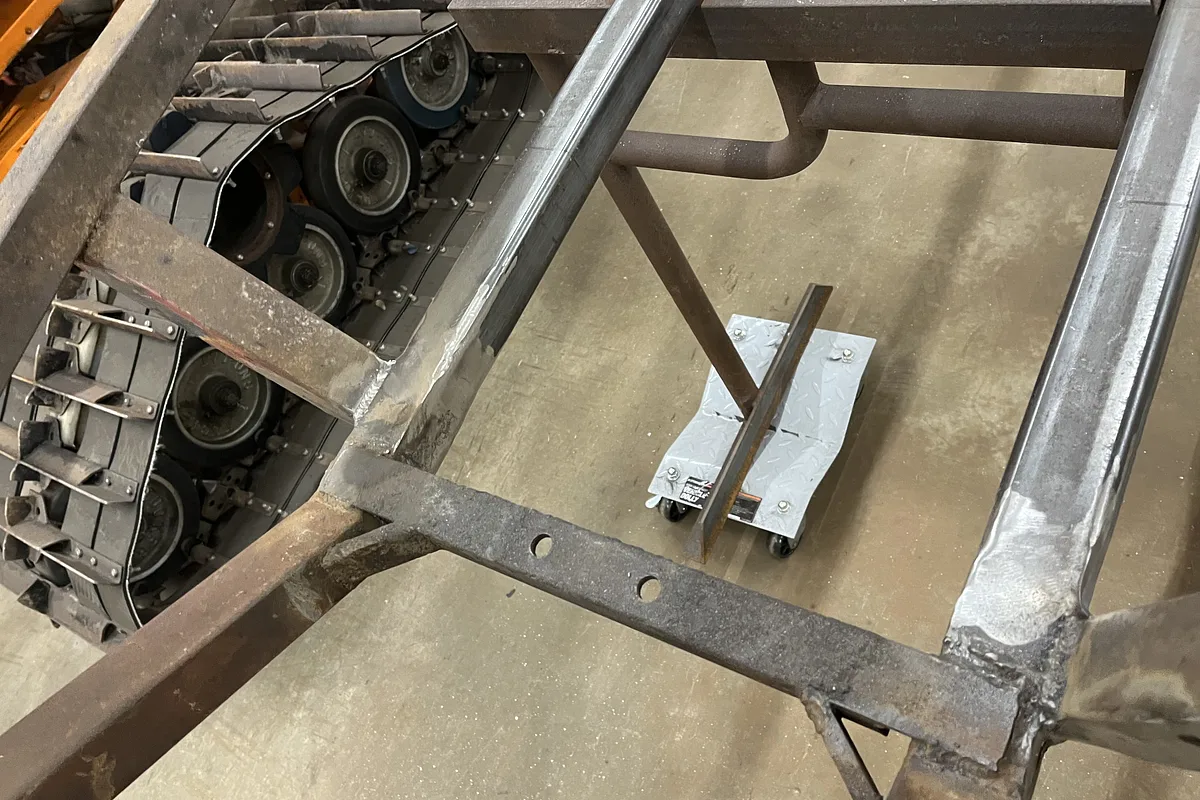
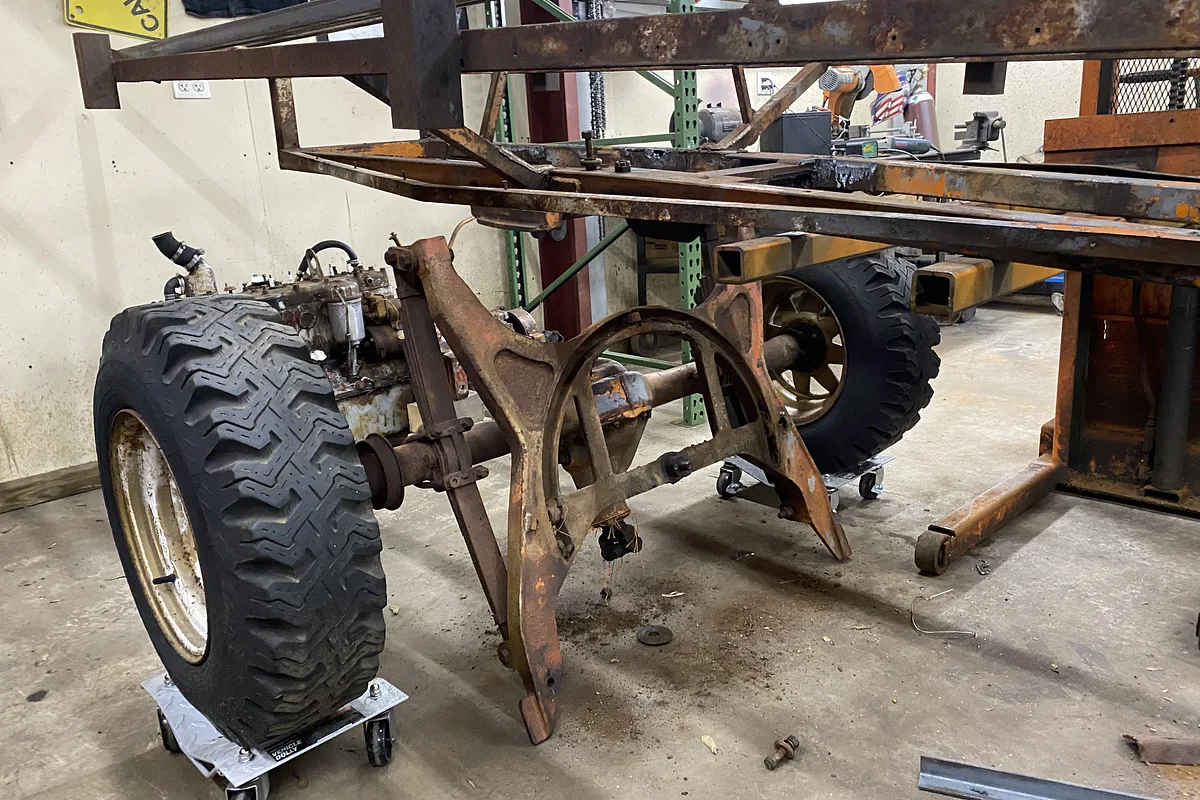
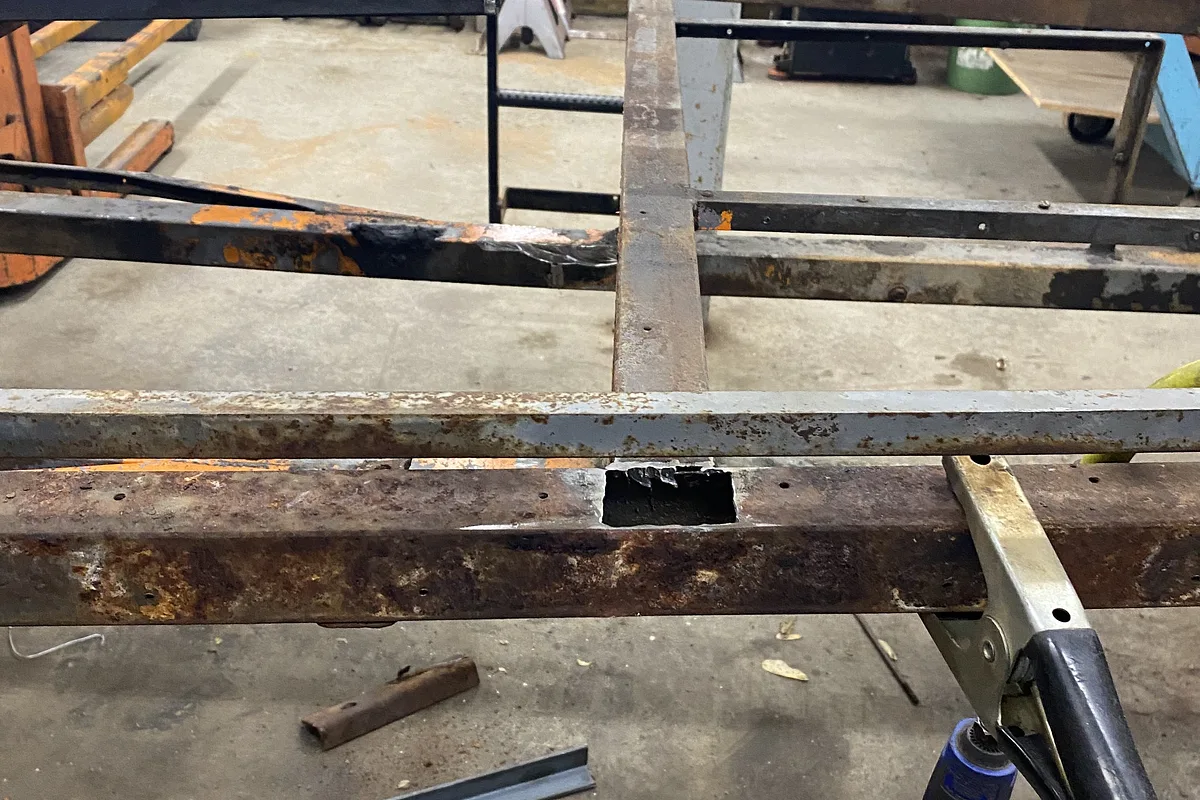
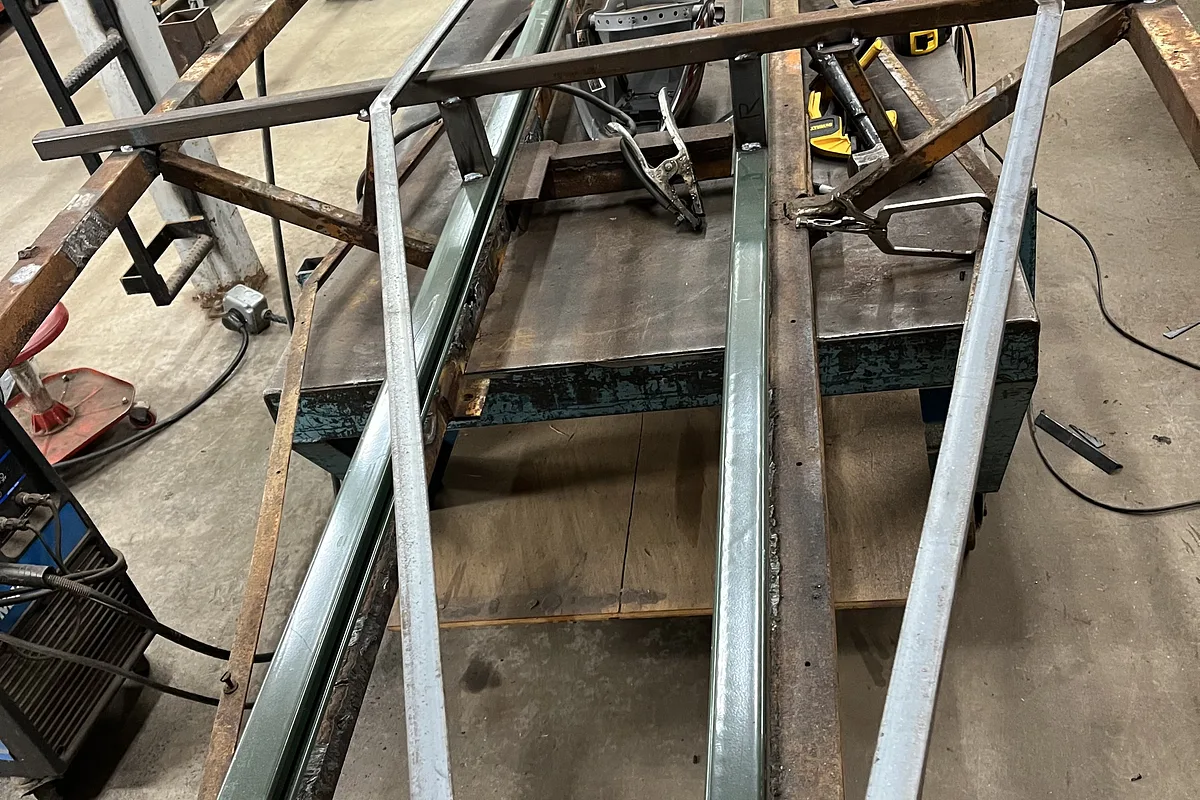
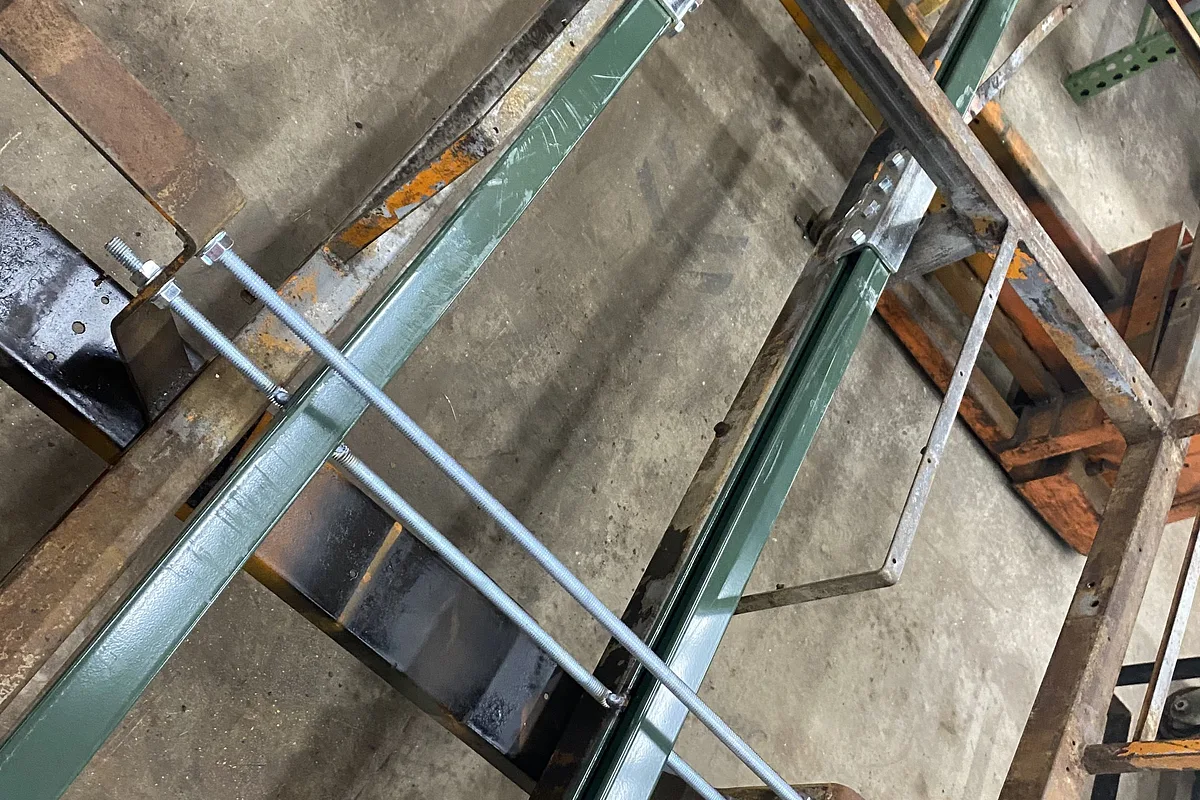
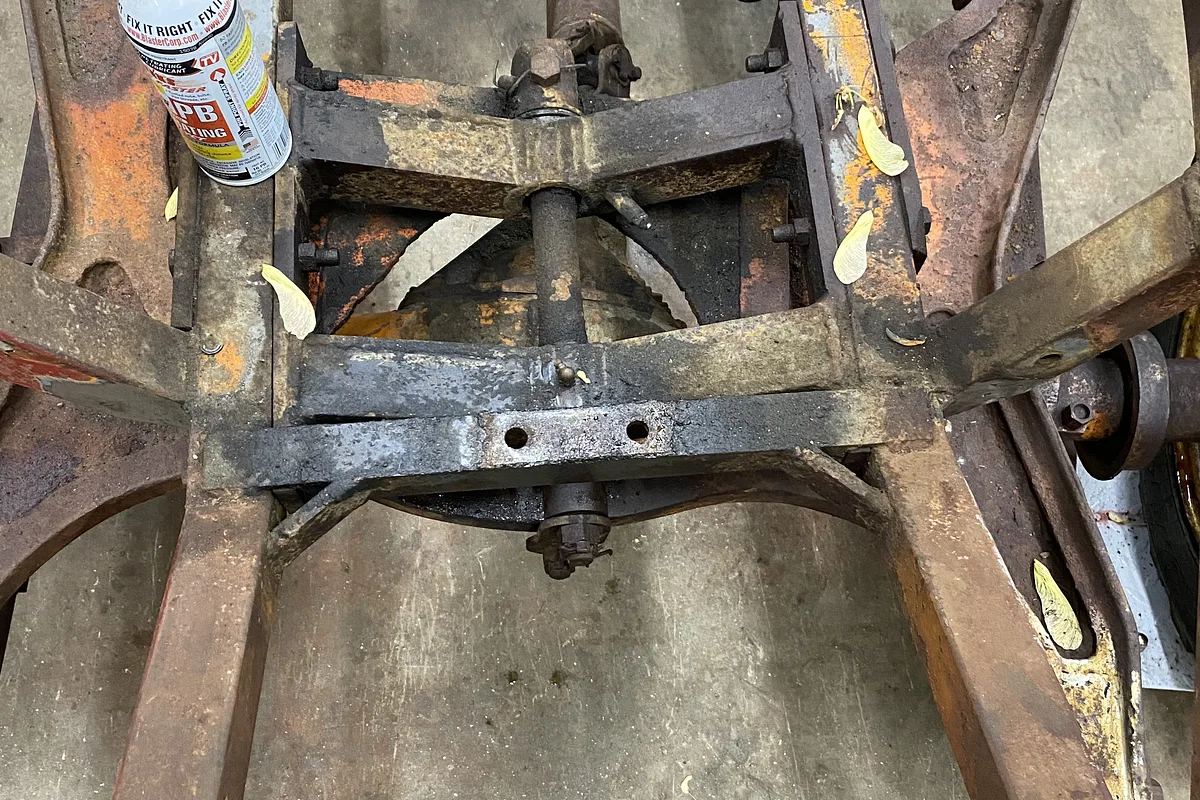
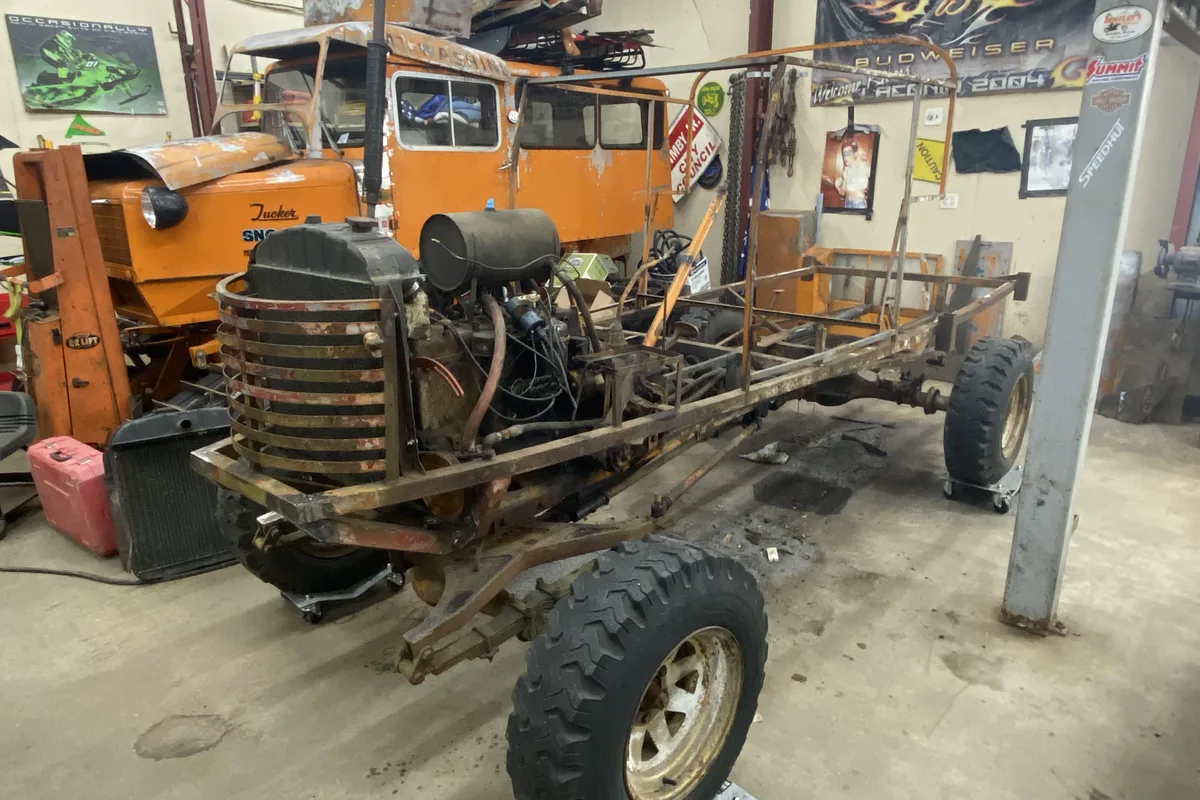
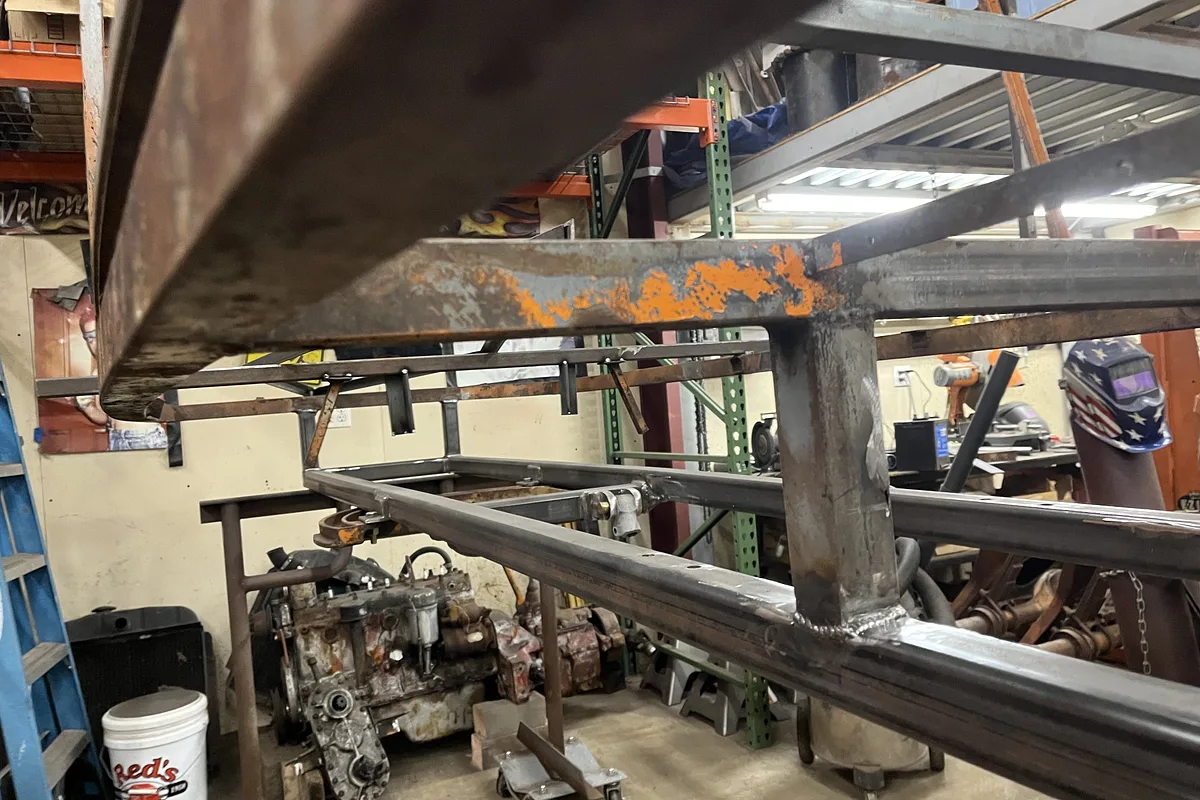
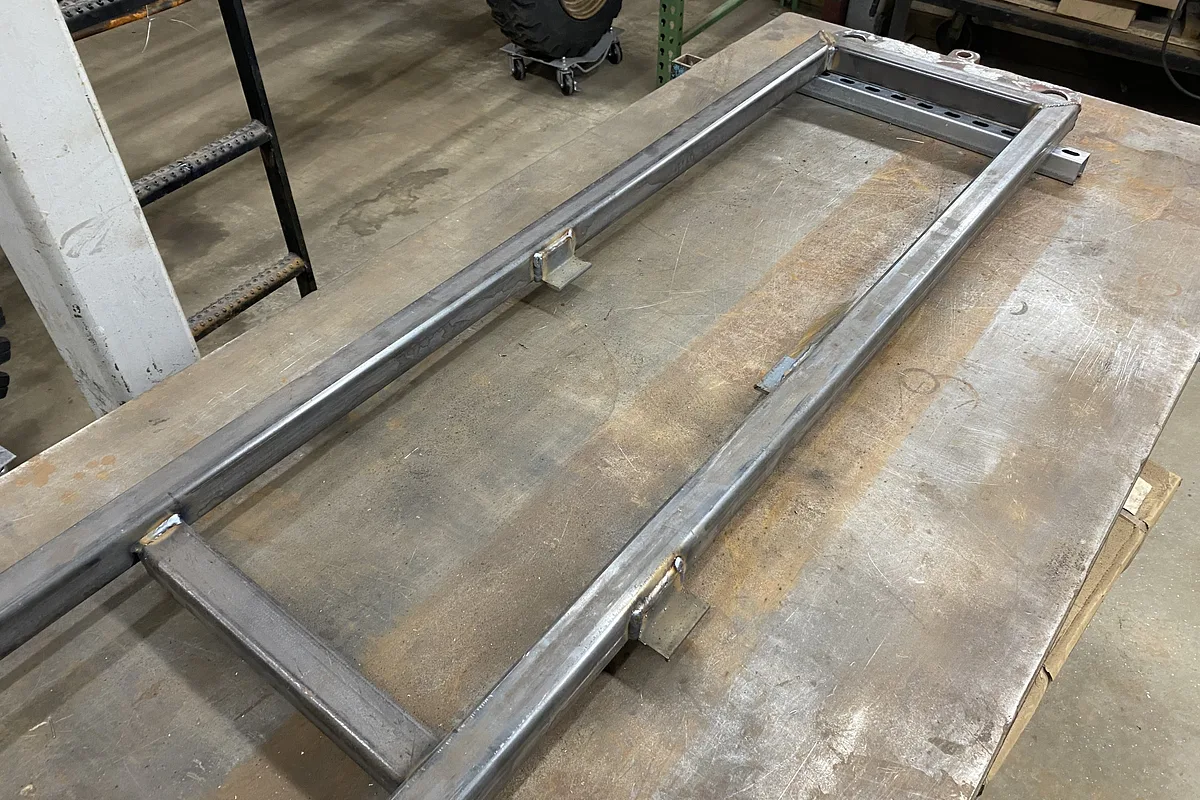
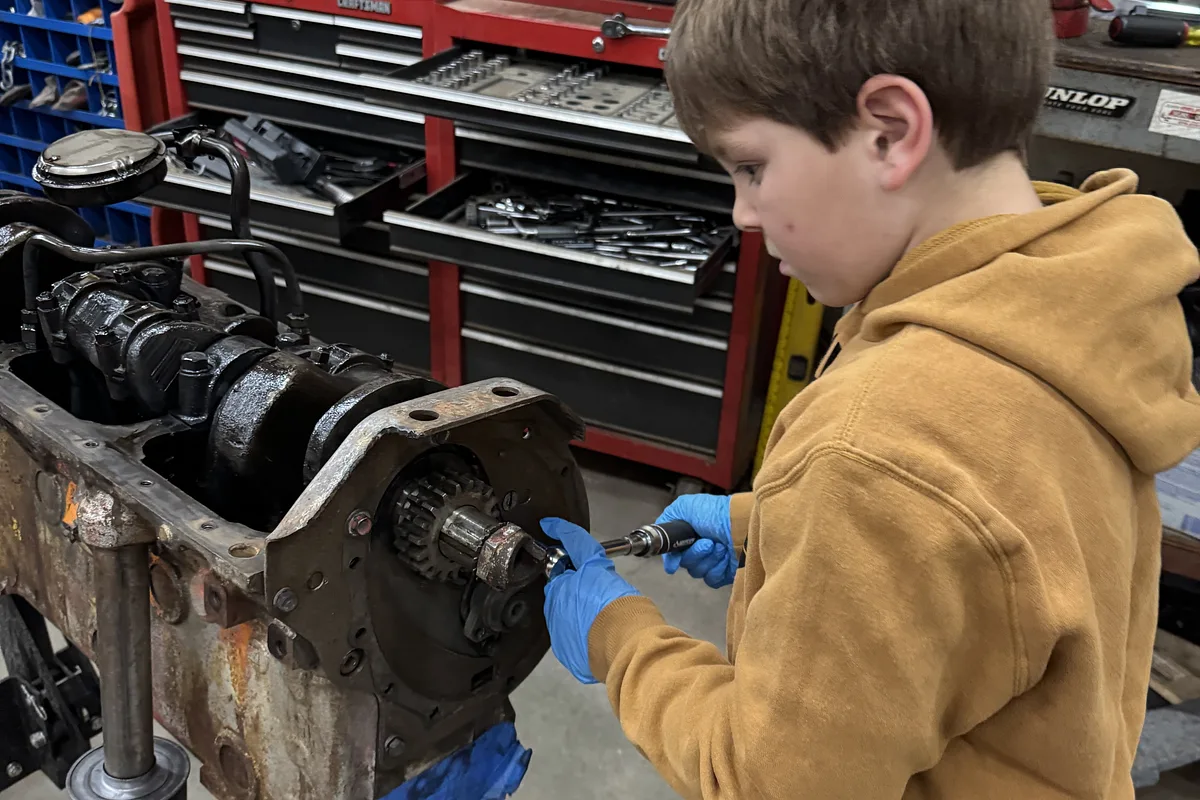
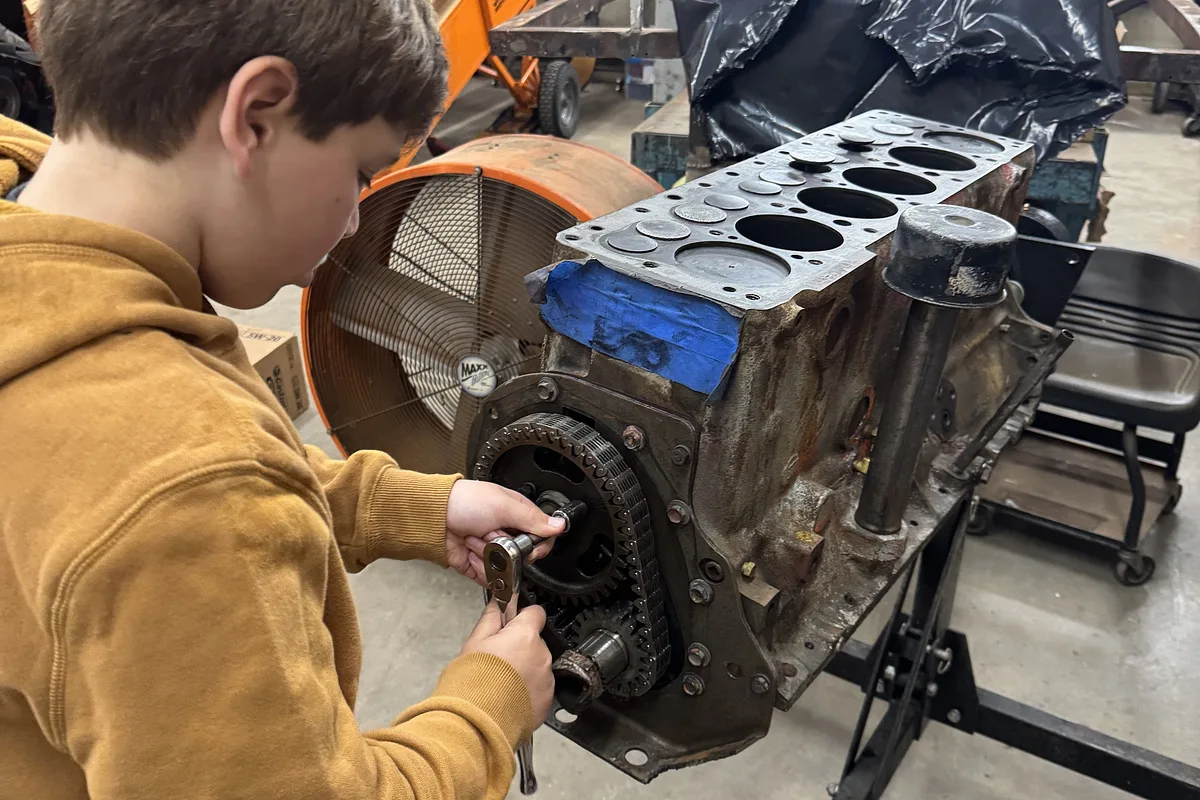
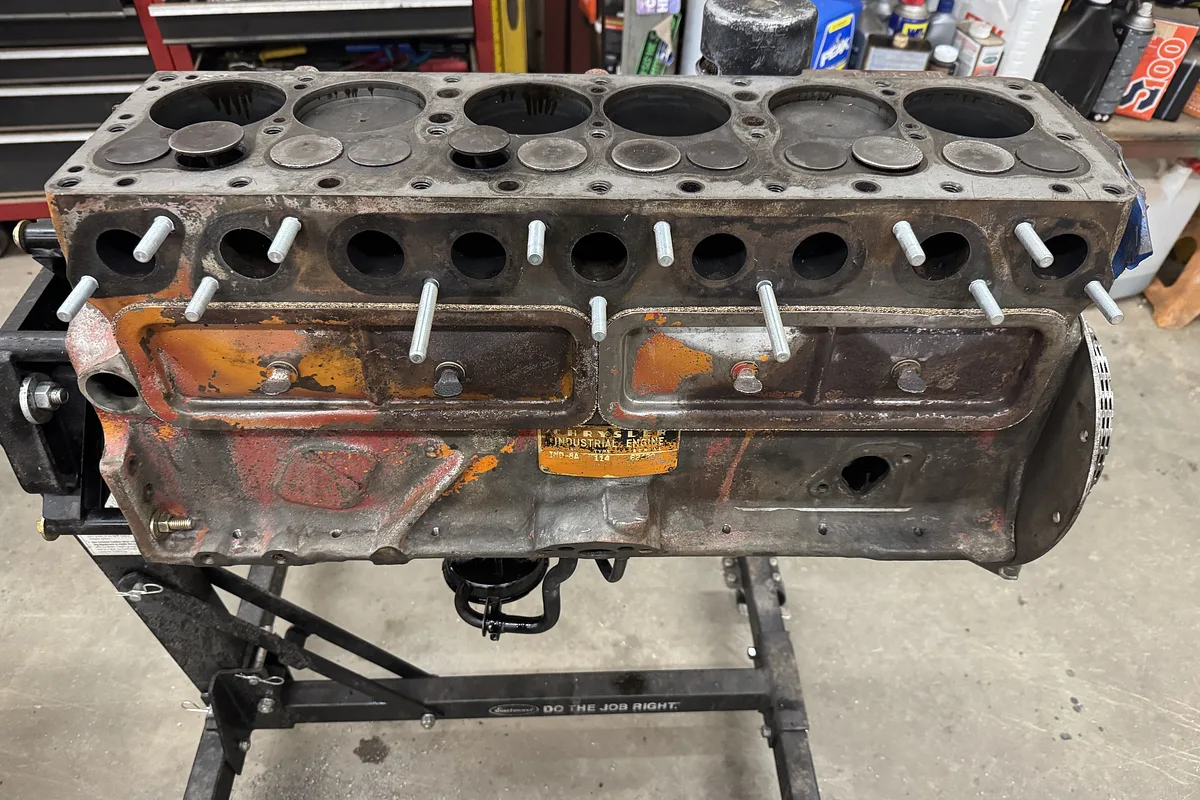
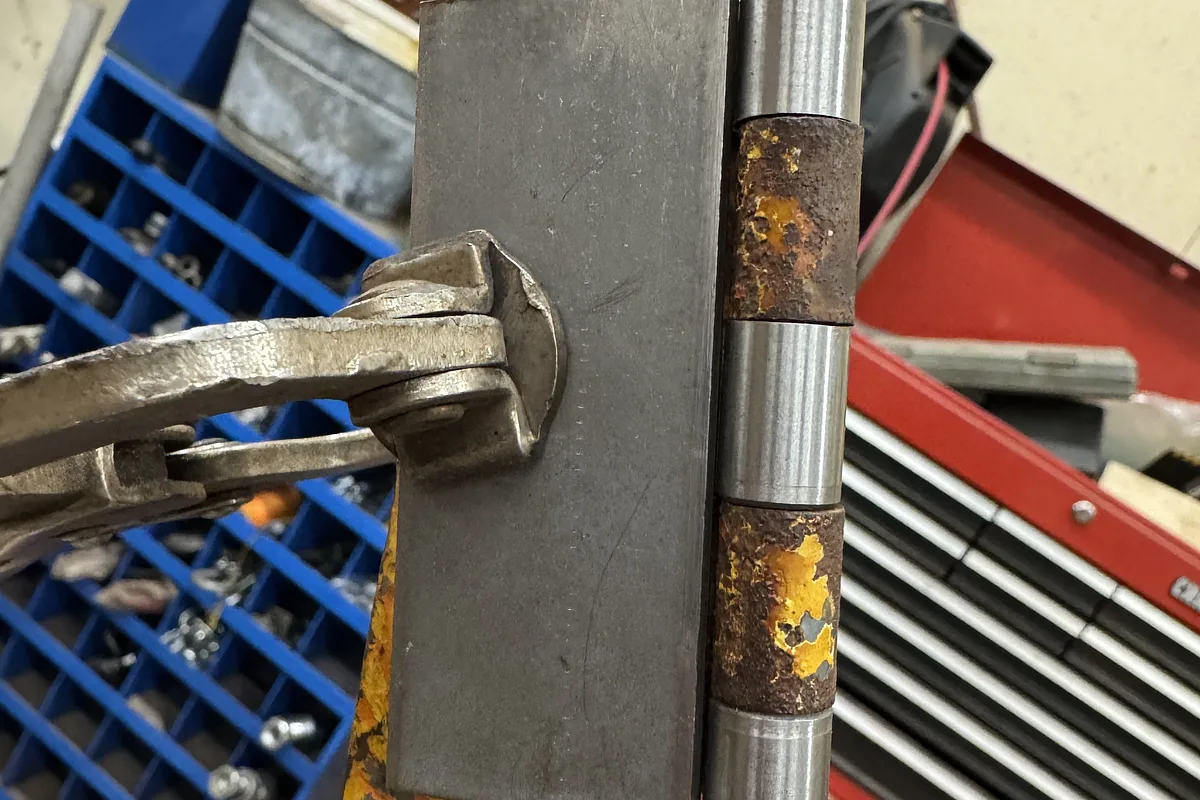
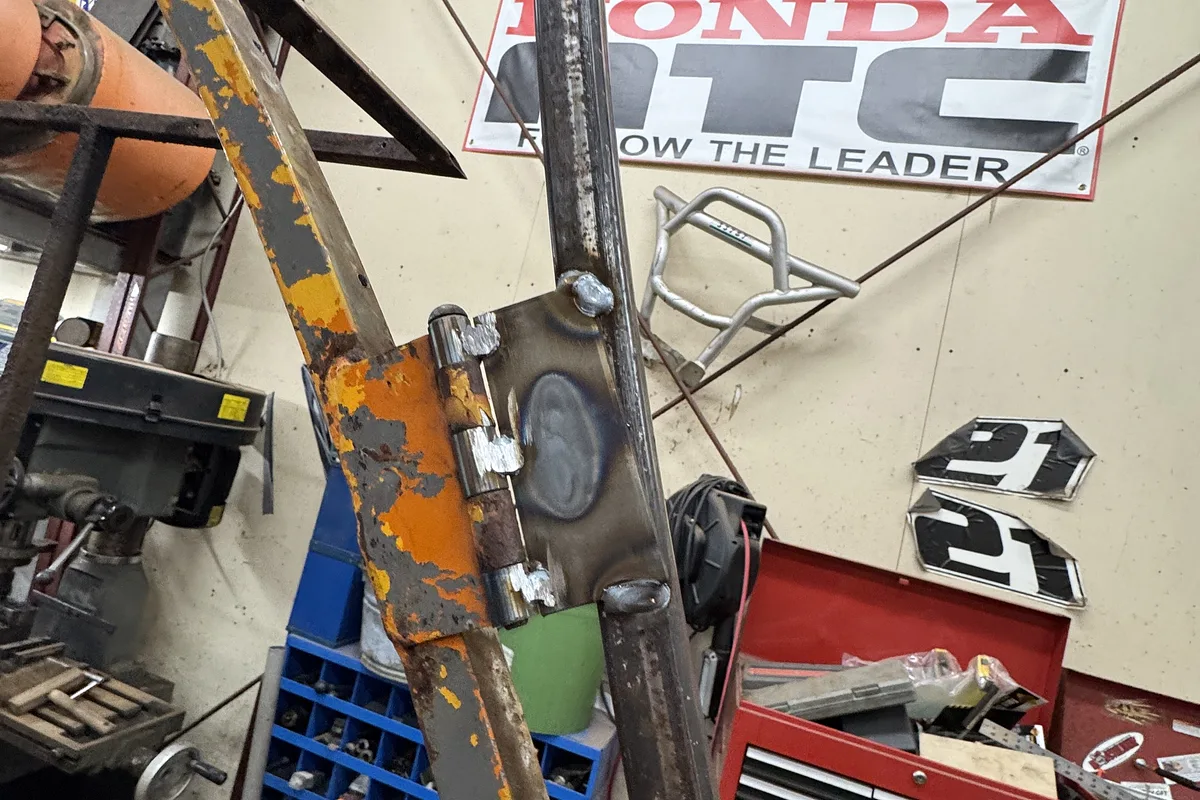
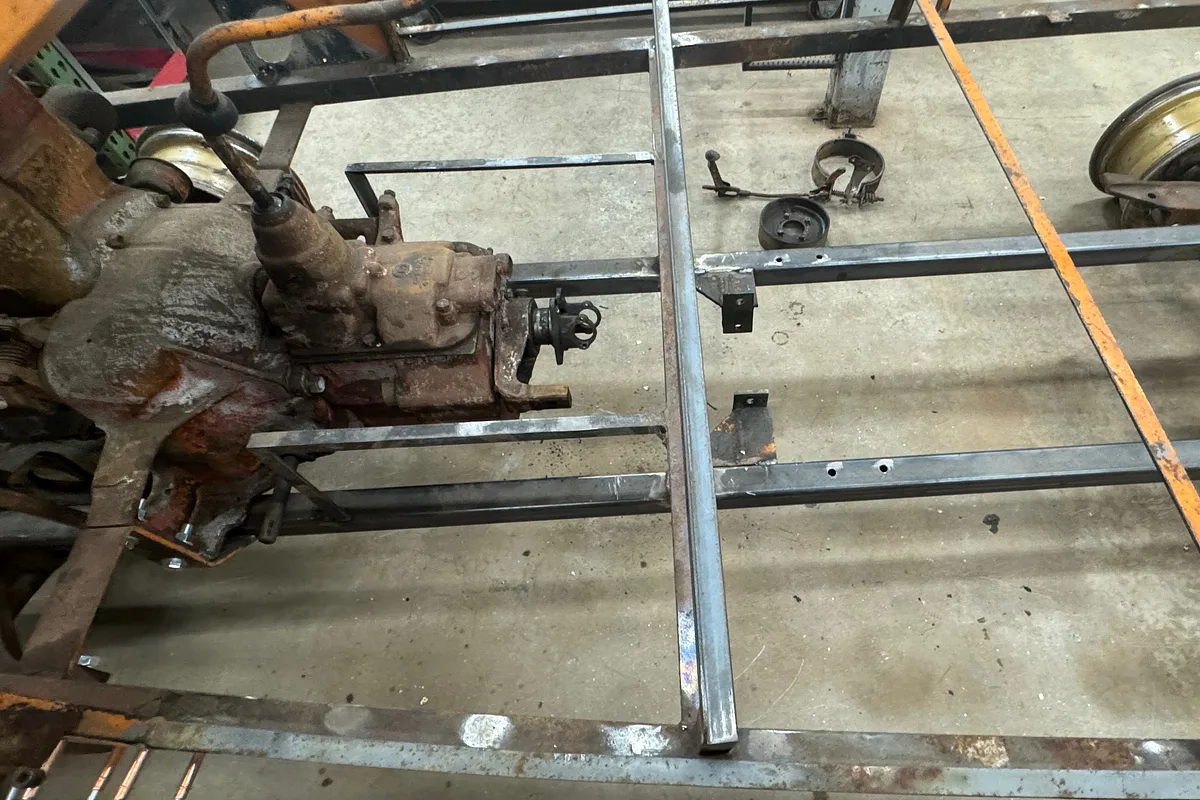
One component at a time, Marty began her transformation. The frame was strengthened where needed, original parts were cleaned and restored, missing components were tracked down, and countless hours were spent fitting, adjusting, and rebuilding assemblies that hadn't seen proper attention in decades.
Progress didn't happen overnight.
Some days ended with only a single part completed. Other days were spent researching, measuring, or waiting for the right part rather than settling for the wrong one. Patience became just as important as skill.
Throughout the process, the Tucker community continued to offer advice, compare notes, and celebrate each milestone. Their encouragement helped confirm that every careful decision was moving Marty closer to the goal.
Restoring a machine like this isn't measured by how quickly it's finished.
It's measured by how faithfully its story is preserved.
And with every completed part...
Marty was one step closer to returning to the mountains she once called home.
The journey continues...


Voices From the Journey

"One step at a time... it'll be worth it." — Fellow Tucker enthusiast"You're saving more than a machine." — Forum member"Keep the original spirit alive." — Tucker collector

What We Learned

  •  Great restorations are built through patience, not speed. 
  •  Every completed component is a milestone worth celebrating. 
  •  Authenticity is achieved through hundreds of careful decisions. 
  •  The journey is just as important as the destination. 

Coming Up Next

The restoration is still underway.
There are more discoveries to make, more challenges to overcome, and many more milestones ahead. Follow Marty's journey as new chapters are added and this remarkable piece of history continues its return to life.

Milestone 12 The Plan Comes Together

Jul 30, 2021 · 20 photos

The Plan Comes Together

Timeline: Spring–Summer 2021
With the teardown well underway and Marty's condition fully exposed, the restoration entered a new phase.
The unknowns were becoming known.
Months of careful inspection, measurements, research, and conversations with fellow Tucker enthusiasts had answered many of the biggest questions. Original parts had been identified, decades-old repairs documented, and a clear path forward was beginning to take shape.
Not every decision was easy.
Some components could be restored. Others would need to be carefully repaired or recreated. The challenge was finding the right balance between preserving Marty's originality and ensuring she would remain reliable for years to come.
Every repair was approached with the same question:
"How would Tucker have wanted this machine preserved?"
The Tucker community continued to play an important role throughout this phase. Forum members offered encouragement, compared original machines, shared rare photographs, and helped confirm countless details that might otherwise have been overlooked.
This wasn't about building a better Tucker.
It was about building the best possible version of Marty, while honoring the machine she had always been.
For the first time since the project began, the finish line no longer felt out of reach.
The vision was becoming reality.


Voices From the Journey

"Build no two the same." — Fellow Tucker enthusiast"MORE GOODER!" — Forum member following the restoration"Measure twice... think once." — Brian Desmarais

What We Learned

  •  Every restoration needs a plan before rebuilding begins. 
  •  Originality and reliability can coexist with careful planning. 
  •  The best solutions often come from shared experience. 
  •  Preserving history means understanding it first.

Coming Up Next

With the foundation taking shape, one question remains...
Will Marty come back to life?

Voices From the Journey

Jul 28, 2021 · 5 photos
 Voices From the Journey 

Voices From the Journey

No great restoration is completed alone.
Throughout Marty's journey, fellow Tucker owners, collectors, mechanics, friends, and enthusiasts shared their knowledge, encouragement, and experience. These quotes capture some of the wisdom, humor, and support that helped guide the restoration along the way.
Their words have become part of Marty's story, too

Throughout the Project

"Build no two the same."A longtime Tucker owner's reminder that every Tucker Sno-Cat has its own personality."MORE GOODER!"A little encouragement from a fellow enthusiast that perfectly captured the spirit of the restoration."Every old cat has a story to tell."Inspired by the many discussions about preserving Marty's history rather than simply replacing parts."Research before replacing."A lesson reinforced throughout the restoration as forum members helped identify original components.

During the Frame Restoration

"Measure twice... think once."Brian's approach to rebuilding Marty's foundation."Sometimes the biggest discoveries are hidden beneath years of grease and rust."Inspired by the many surprises uncovered during teardown.

During Community Milestones

"One question often led to ten great answers."A reflection of how valuable the Tucker community became throughout the project."Knowledge shared today helps preserve history tomorrow."Inspired by the generosity of the Tucker community.

During the Engine Milestone

"Every heartbeat is another step toward bringing history back to life."

During Historical Discovery

"This wasn't just another old Tucker anymore."

At the End of the Project

"Every steward leaves the machine better than they found it."

My favorite quote from the entire project

I'd actually create one that's inspired by Brian and everything he did:
"The goal was never to build the nicest Tucker. The goal was to preserve one of the most important."
I think that perfectly captures what separates Brian from many restorers.

What We Learned

  •  Great restorations are rarely done alone. 
  •  Sharing knowledge preserves history. 
  •  Family makes every project more meaningful. 
  •  Stewardship is about passing history to the next generation.

Coming Up Next
With more questions answered and a clear path forward, it's time to tackle some of Marty's biggest challenges. The frame, body, and mechanical systems are about to receive the attention they've waited decades for.

Milestone 11 More Than a Restoration

Jun 16, 2021 · 6 photos

More Than a Restoration

Timeline: Spring–Summer 2021
One of the things that surprised me most about this project wasn't the condition of the machine.
It was the people.
As updates were shared online, Tucker owners and enthusiasts from across North America began following Marty's progress. Many had spent decades restoring, operating, and collecting these incredible machines. They freely shared photos, measurements, original documentation, part numbers, and lessons learned from their own restorations.
Some answers came within minutes.
Others sparked long conversations that uncovered details no manual could ever explain.
There were times when I thought I had found the correct solution, only to have another owner post an original photograph or factory detail that completely changed my direction. Those conversations helped preserve Marty's authenticity and prevented countless mistakes.
The support wasn't limited to the online community.
Family members helped clean parts, friends stopped by to lend a hand, and visitors followed the project with the same excitement I felt every time another piece of Marty's history came to light.
This restoration became something much bigger than one person rebuilding one machine.
It became a shared effort to preserve an important piece of history.
To everyone who offered advice, shared photos, tracked down parts, answered questions, or simply followed along...
Thank you.
You're part of Marty's story, too.

Voices From the Journey

"One step at a time... it'll be worth it."
— Fellow Tucker enthusiast

What We Learned

  •  Great restorations are built on shared knowledge. 
  •  Every expert contributes a piece of the puzzle. 
  •  The Tucker community helped preserve Marty's authenticity. 
  •  History is strongest when it's shared, not kept. 

Coming Up Next

Months of planning, rebuilding, and problem-solving have led to one unforgettable moment.
Will Marty come back to life?
The next milestone captures the first attempt to wake up a machine that had been silent for years.

Milestone 10 Saving the Bones

May 31, 2021 · 19 photos
Saving the Bones
Timeline: Spring 2021
With the body stripped down and the years of dirt and grime finally removed, Marty's true condition began to reveal itself.
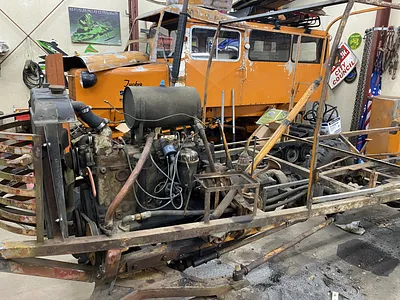
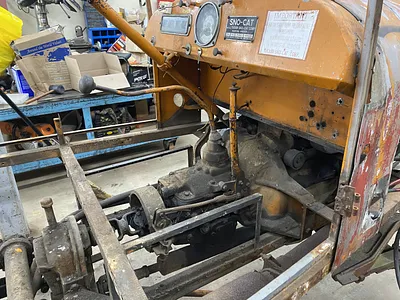
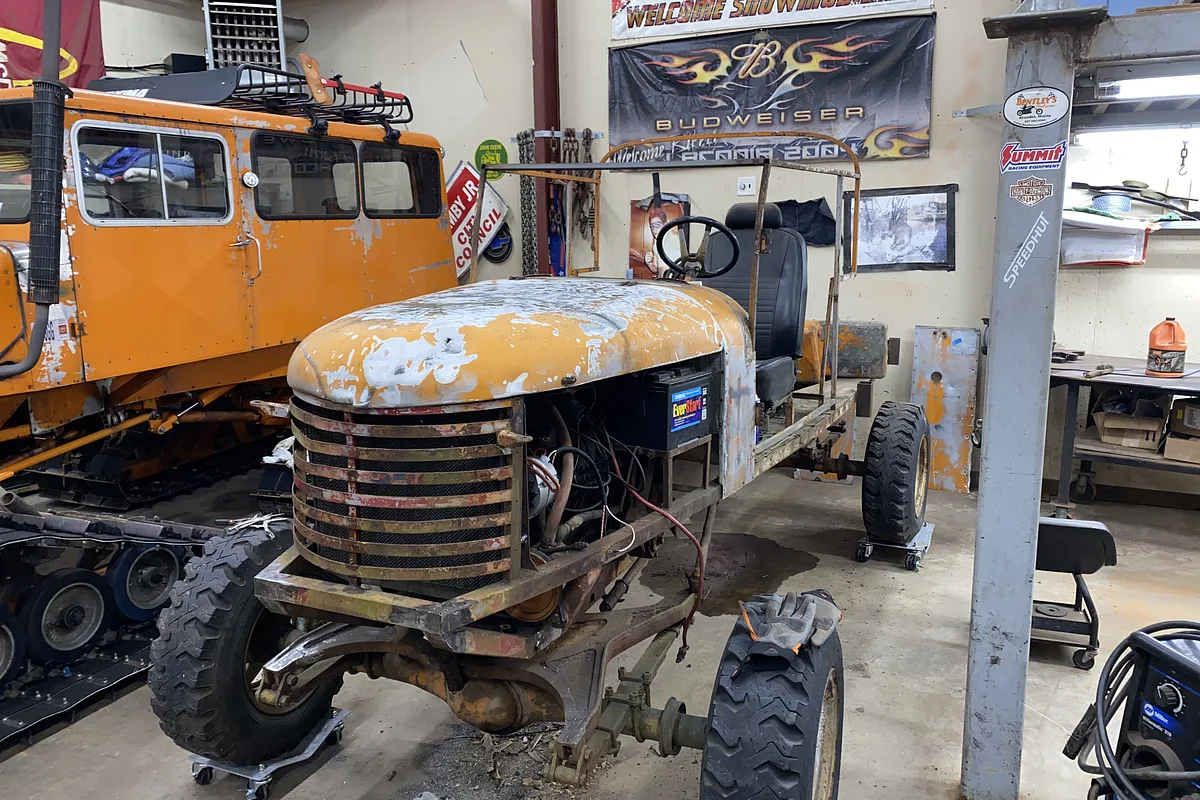
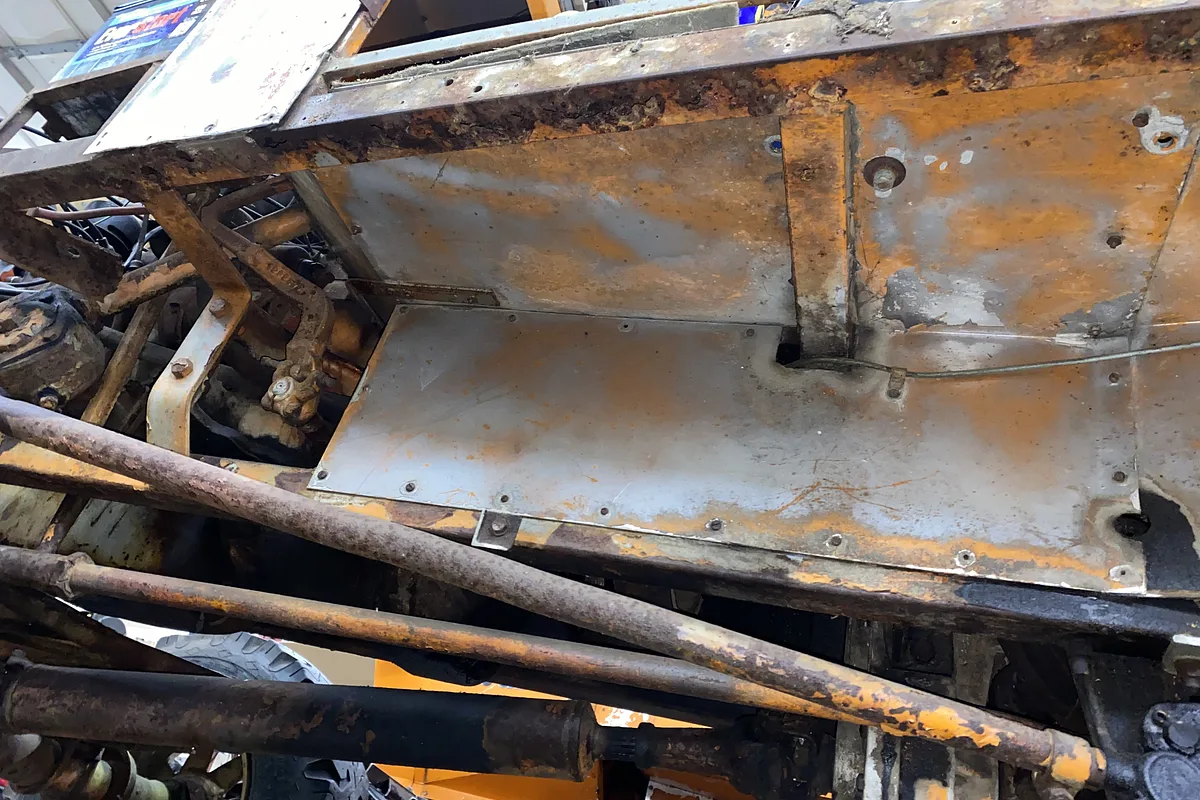
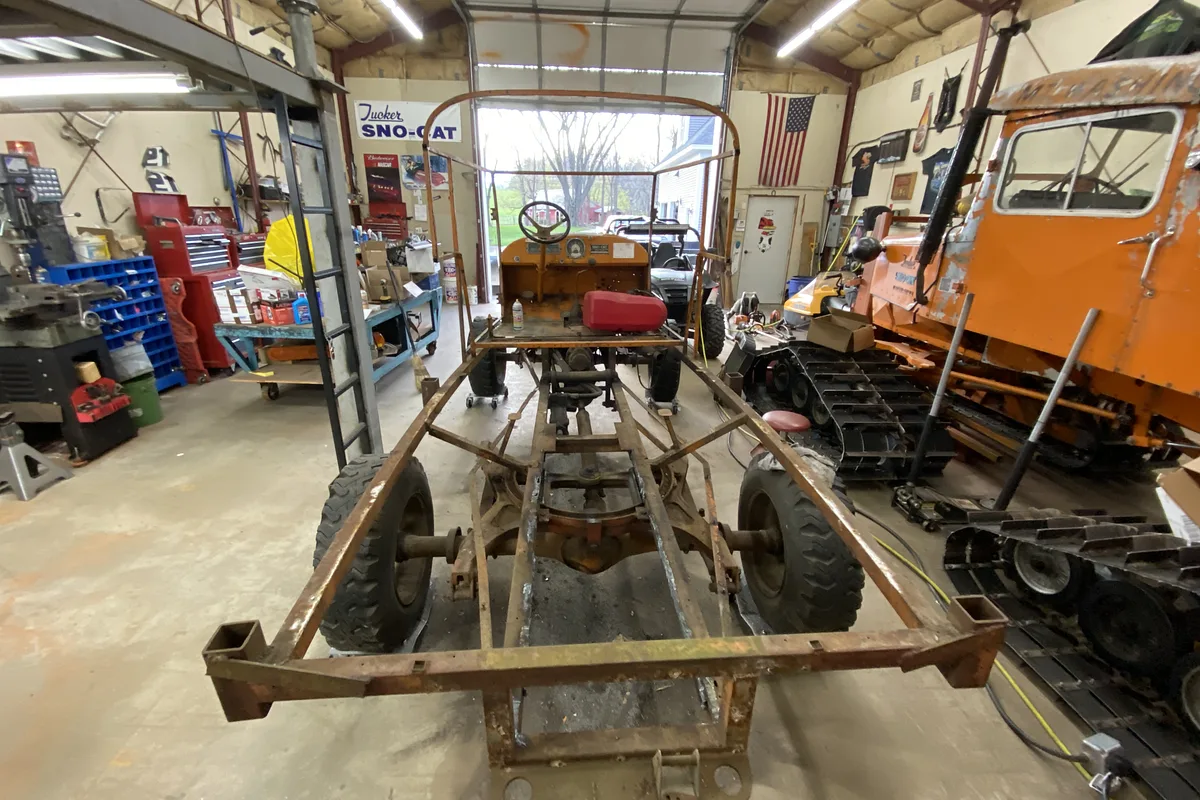
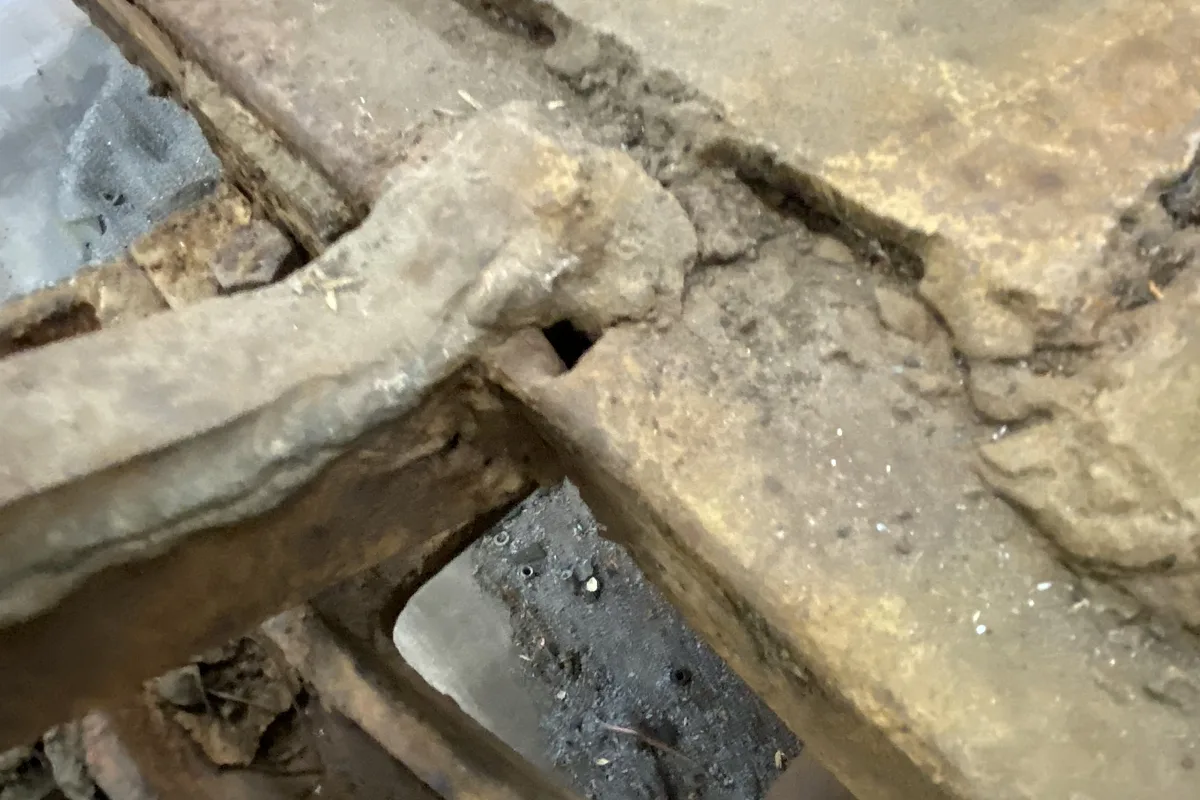
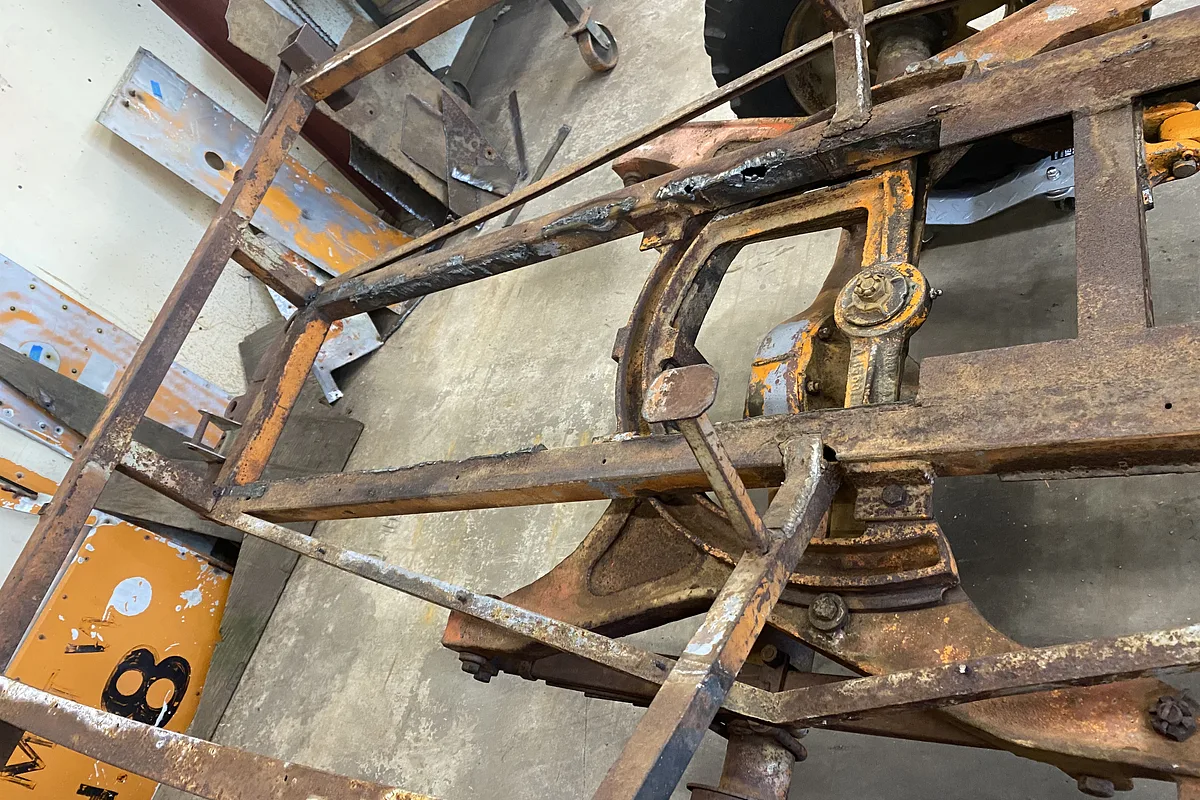
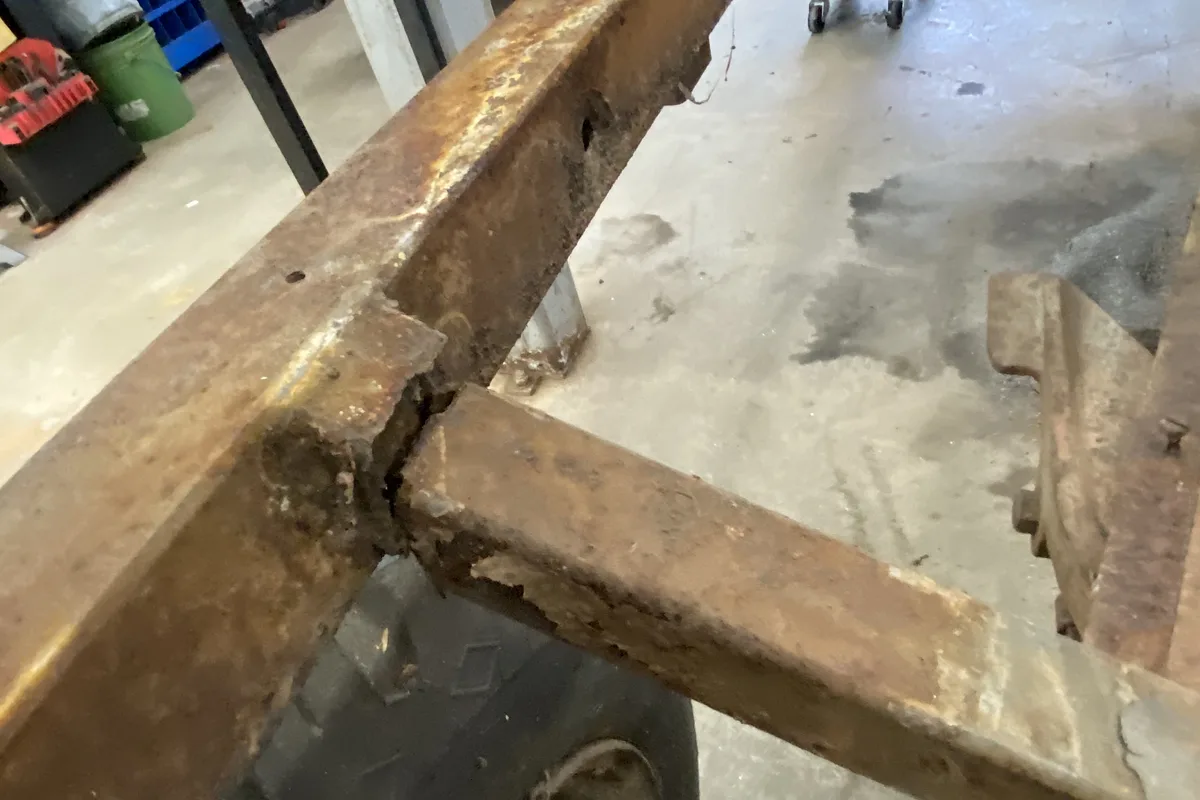
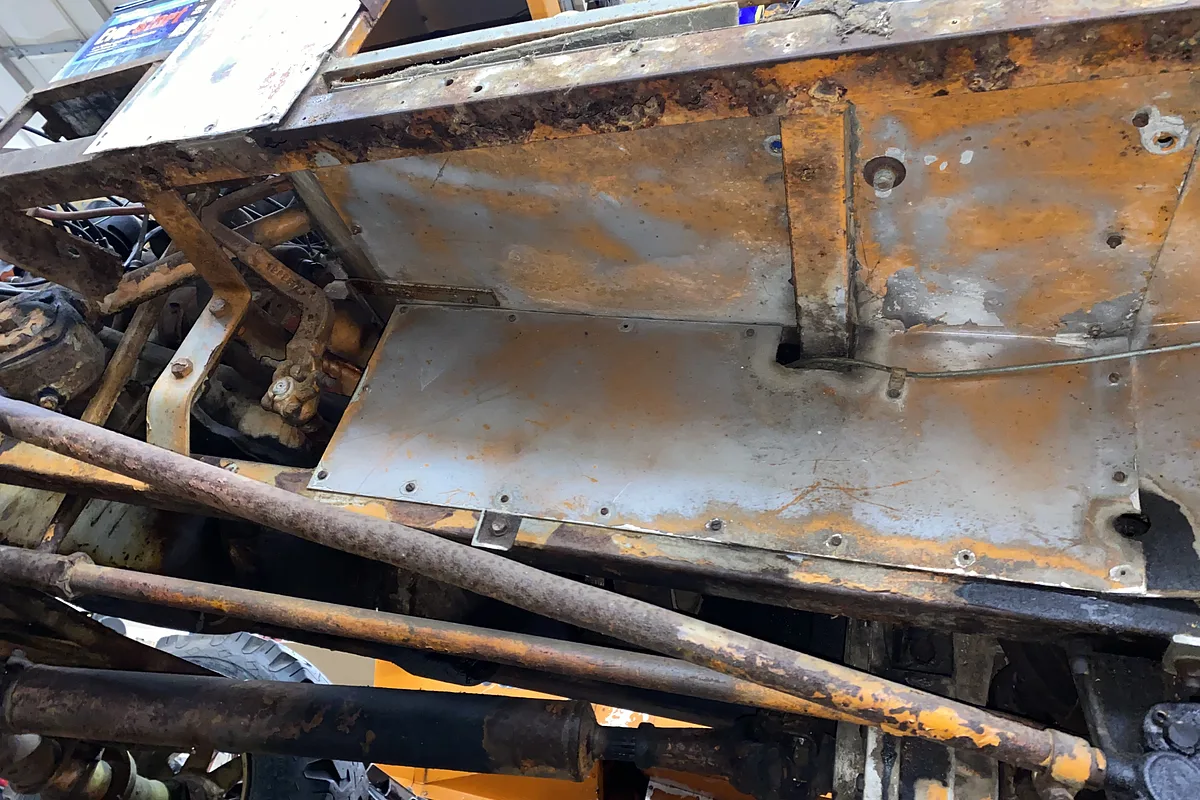
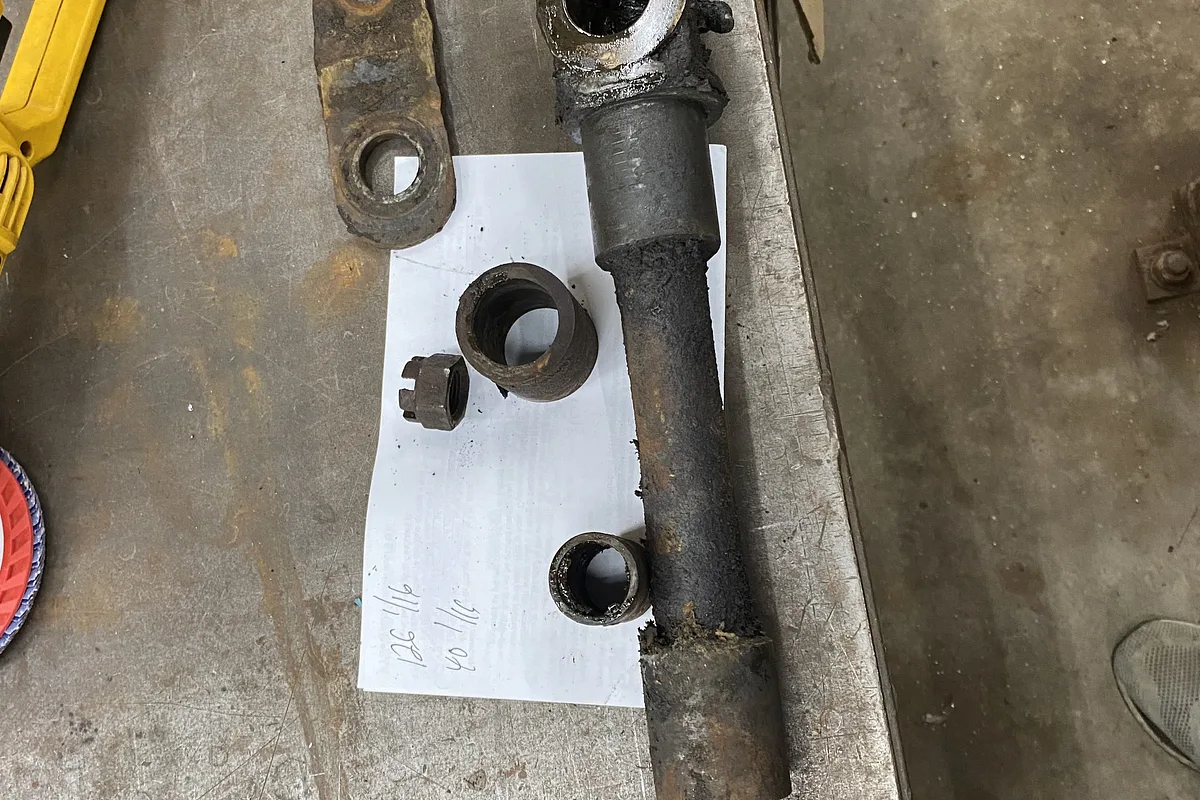
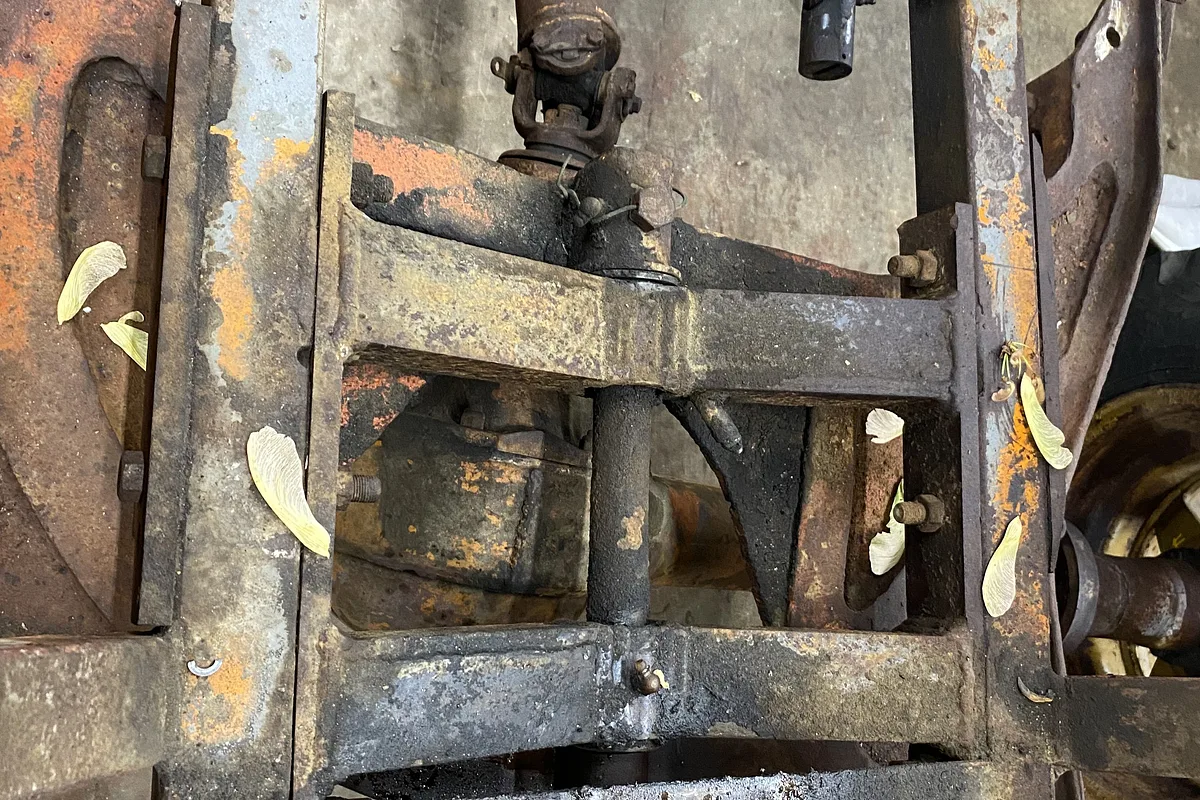
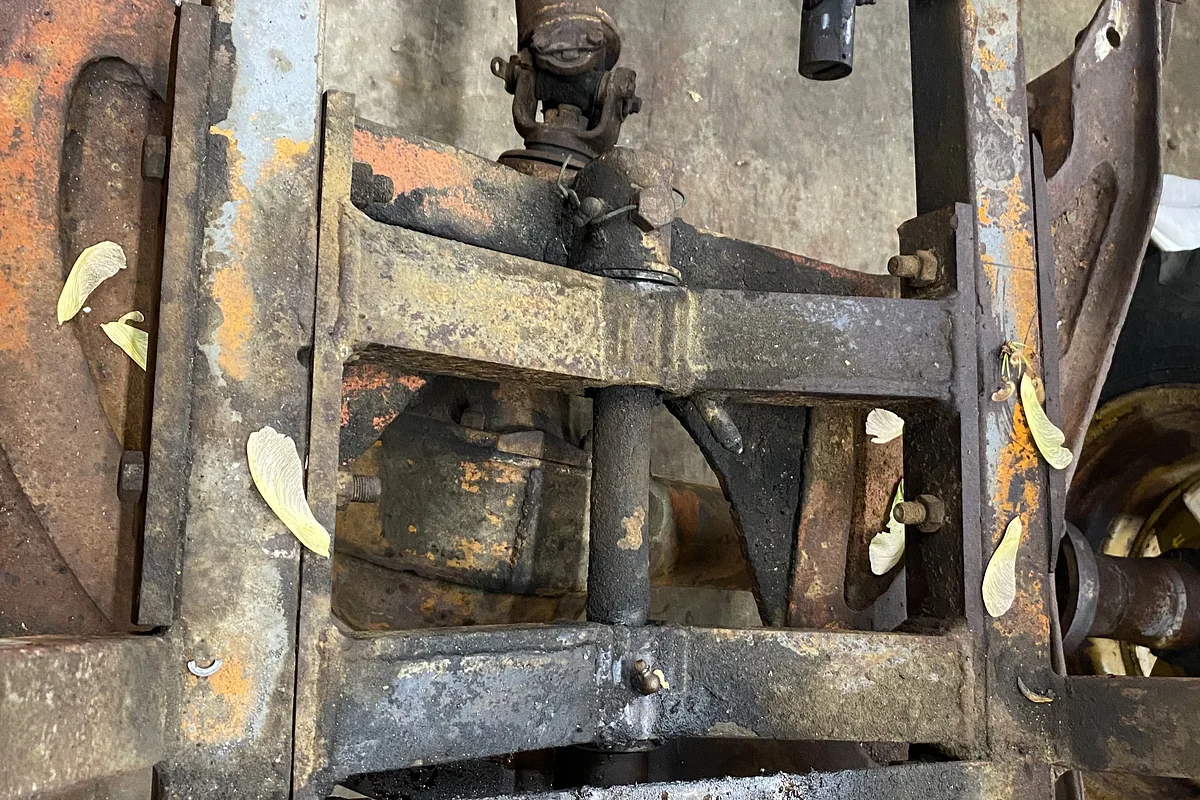
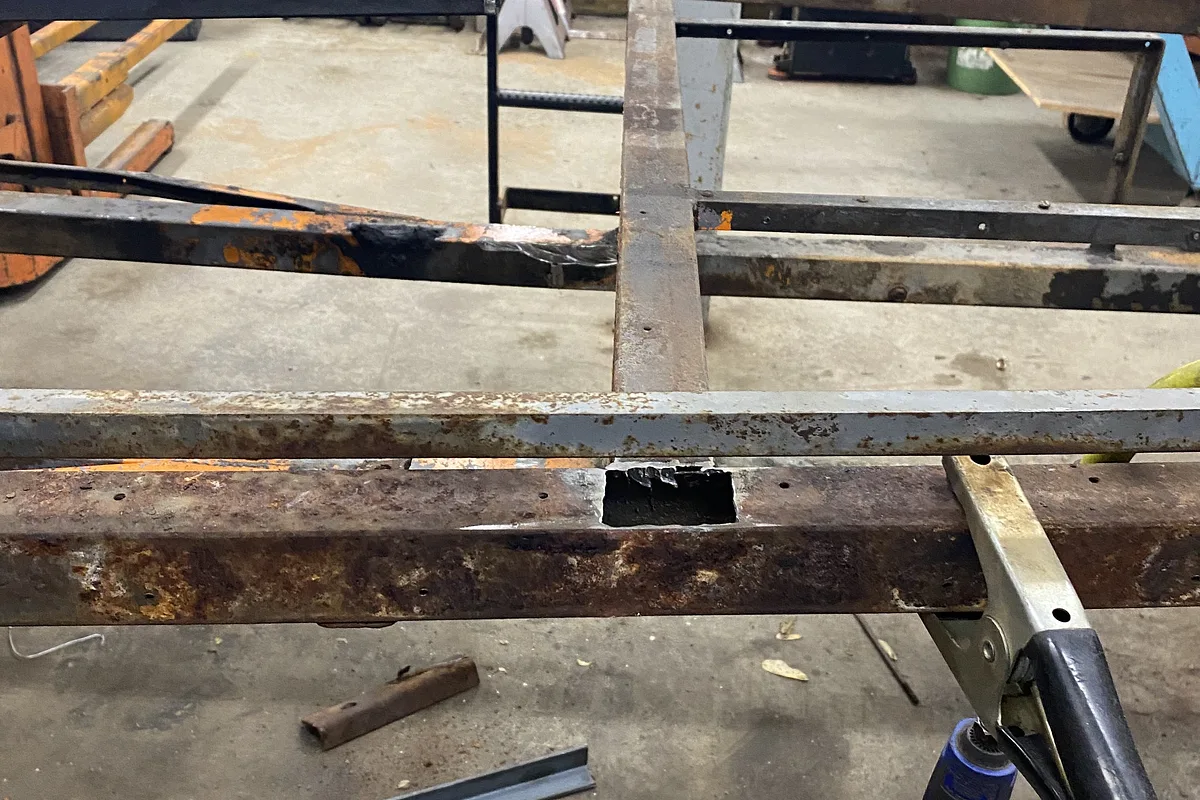
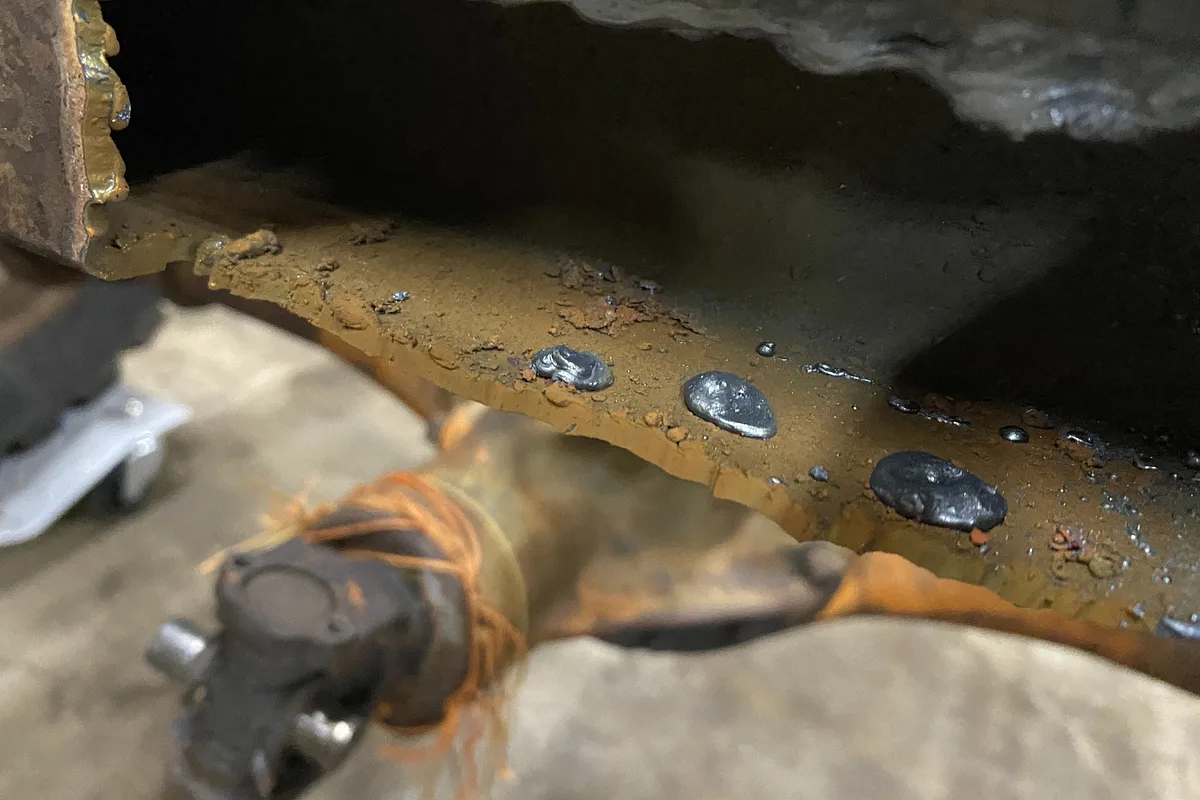
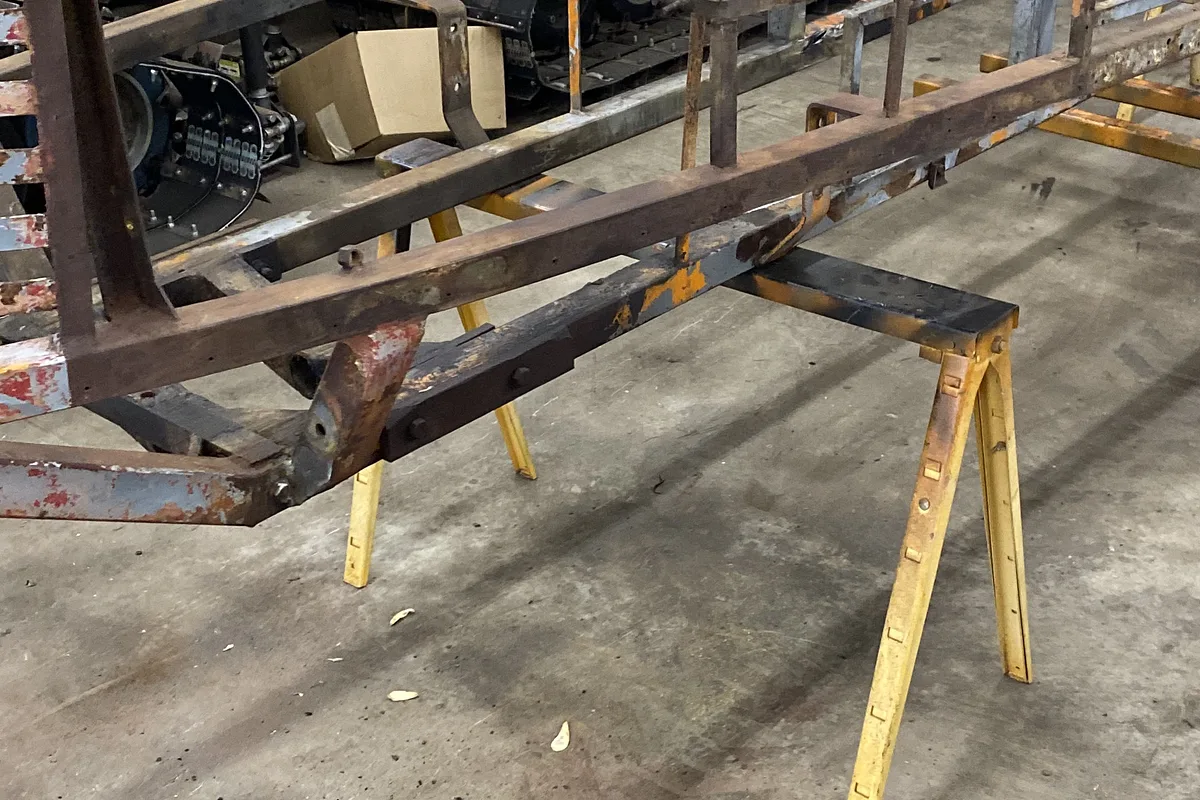
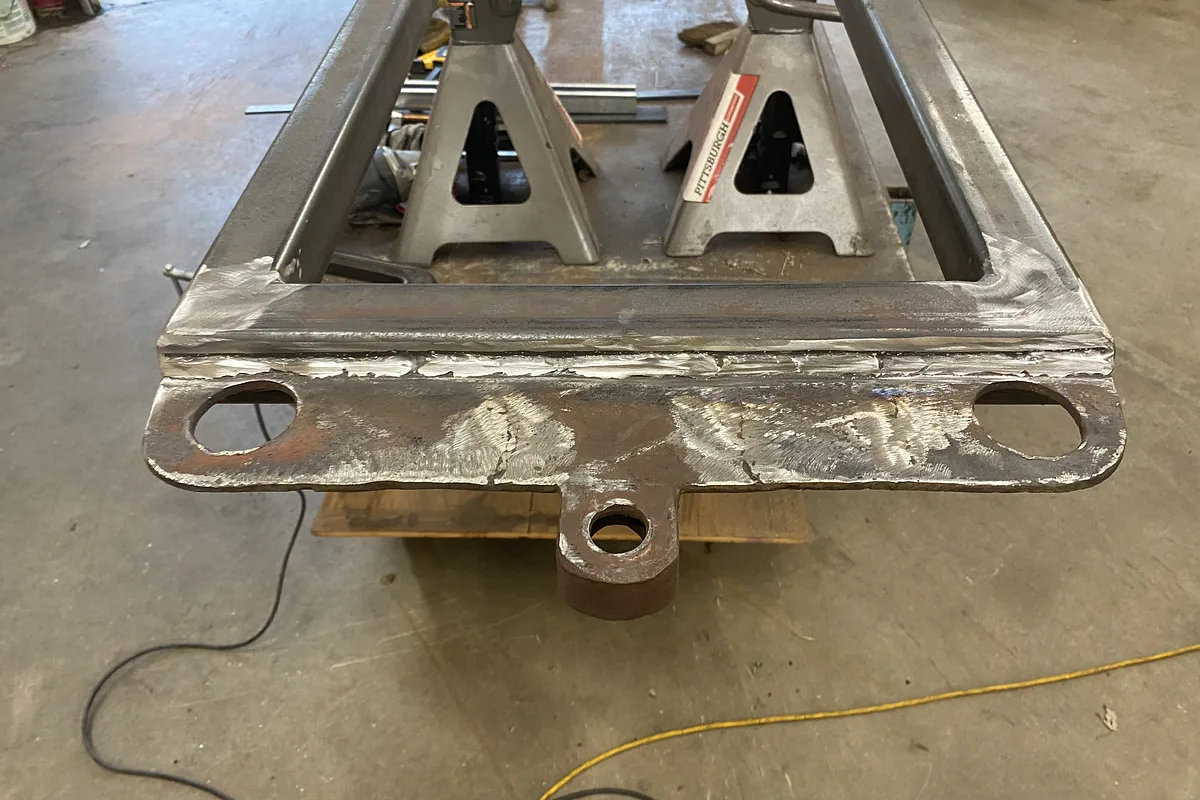
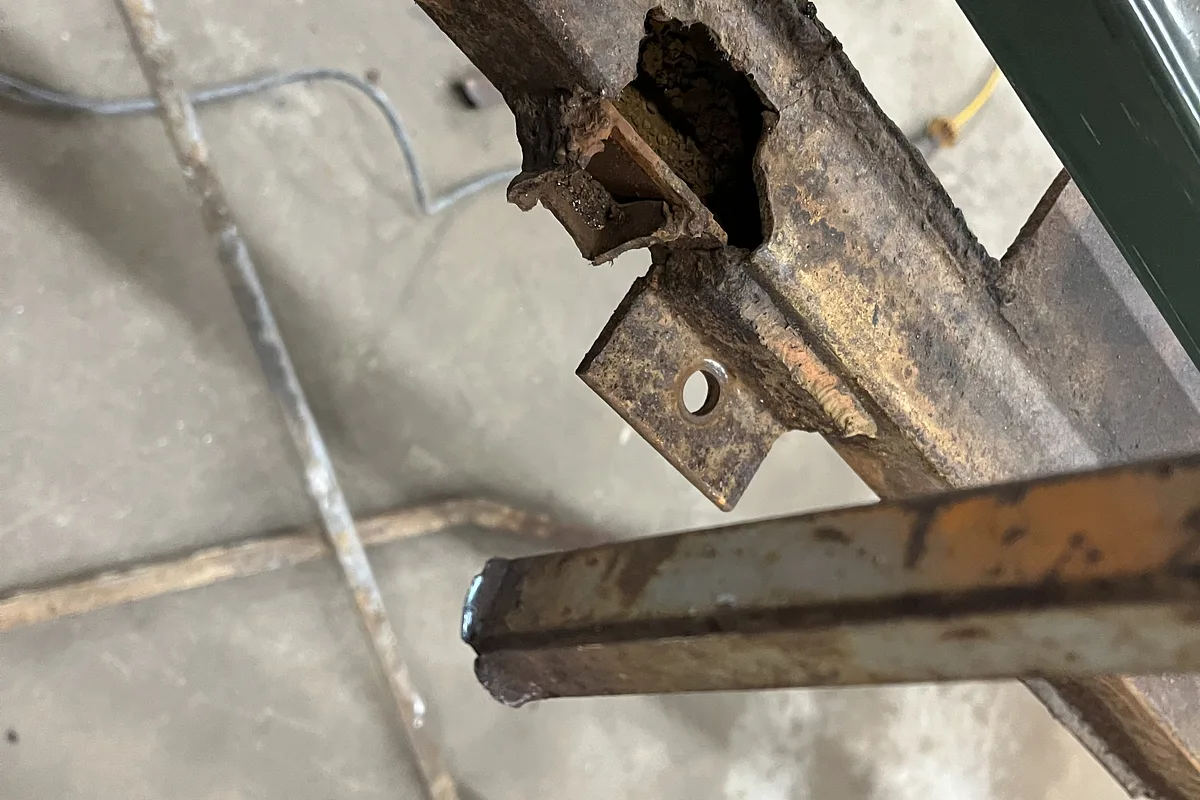
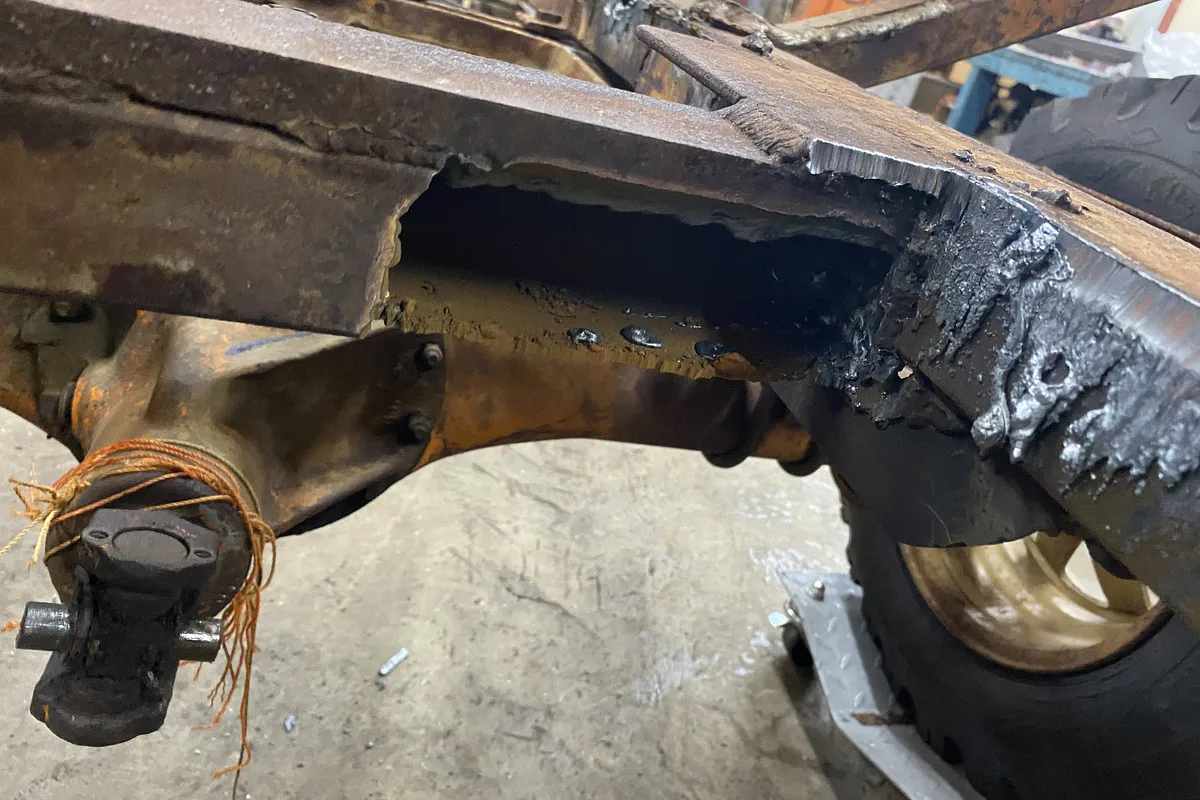
Some areas were better than expected. Others showed decades of hard work, corrosion, and old repairs that had simply kept the machine going. The frame had cracked in places, sections had been reinforced over the years, and some components would need far more than a simple repair.
The challenge wasn't deciding what to replace.
The challenge was deciding what to preserve.
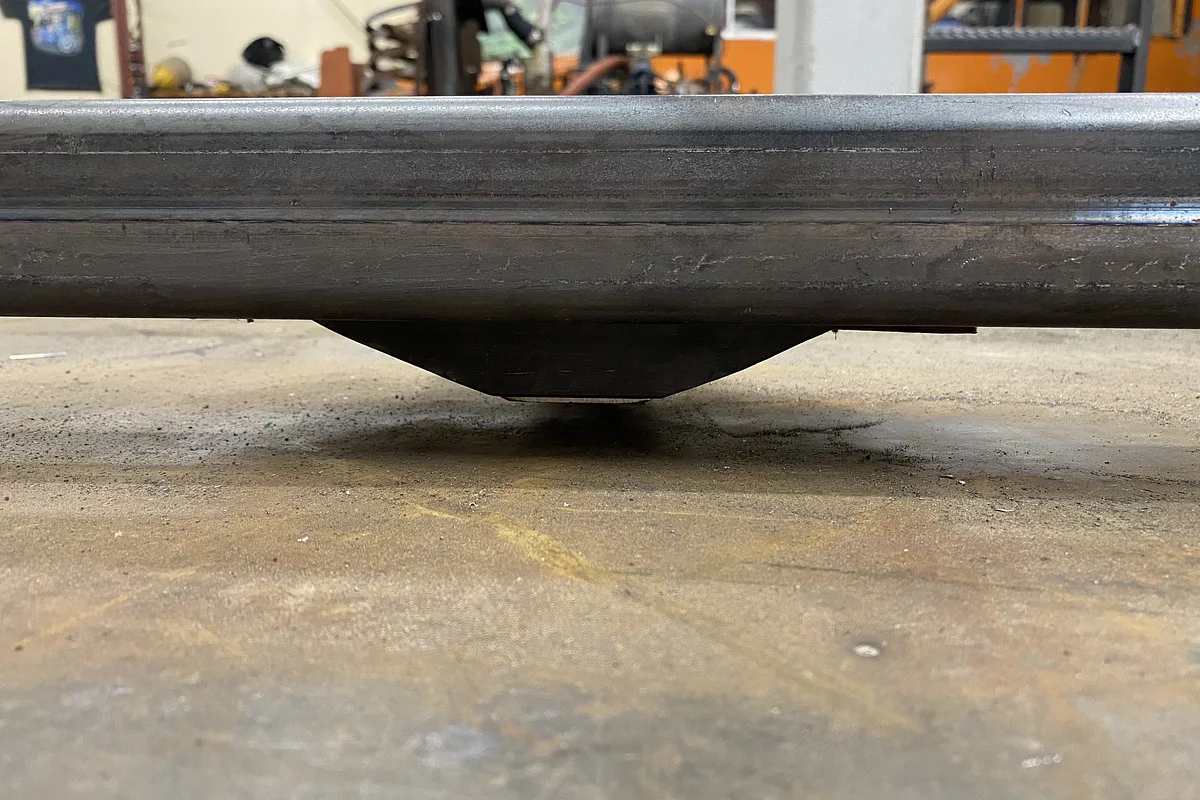
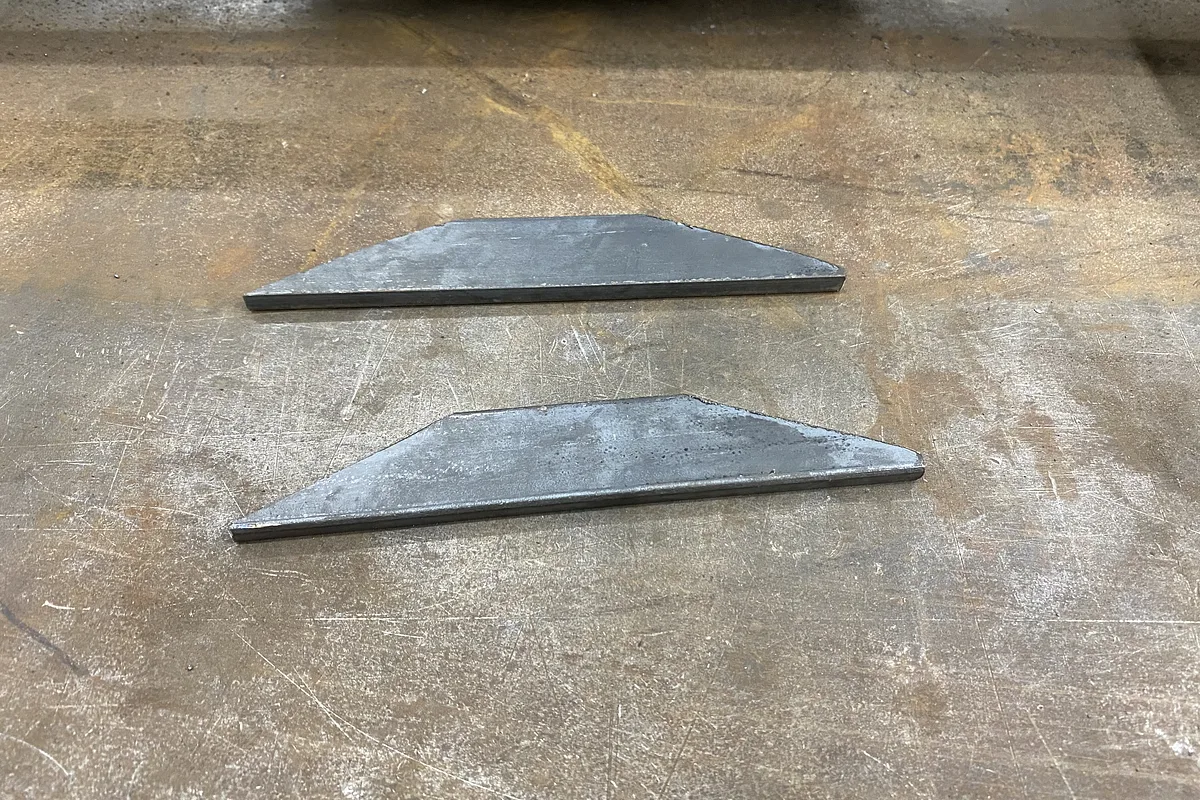
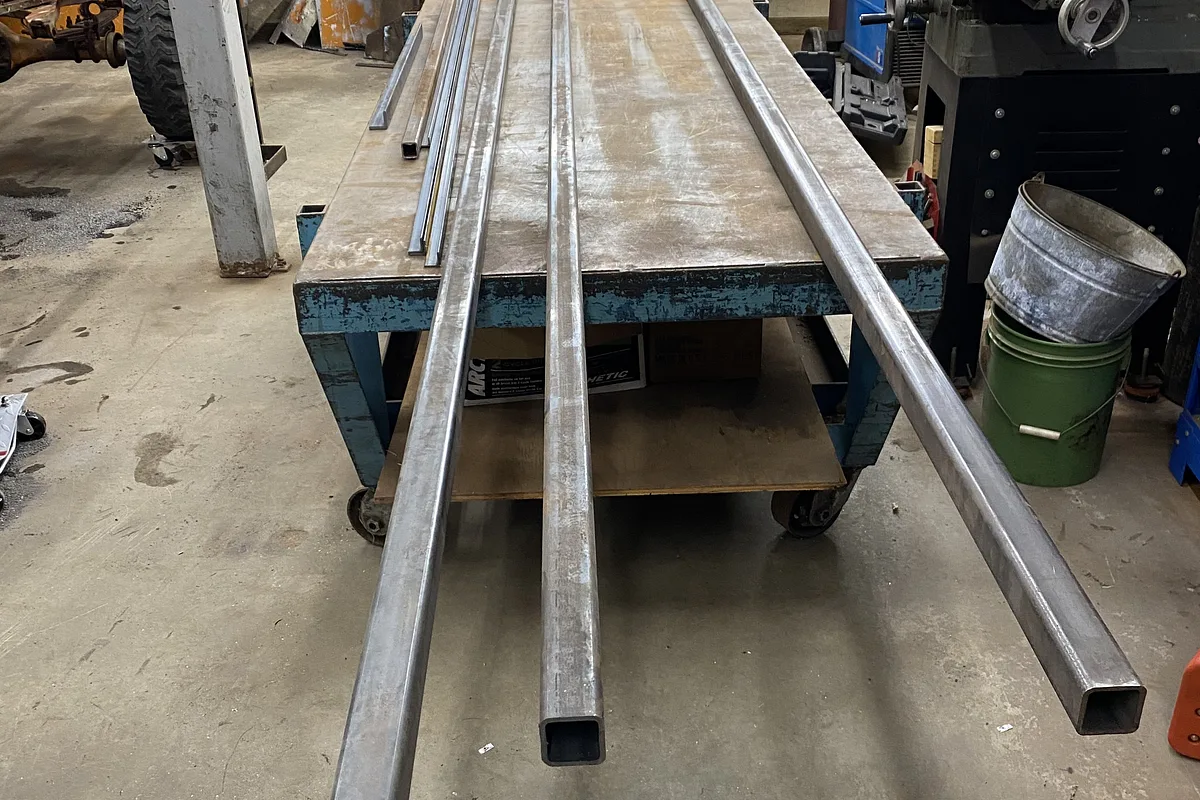
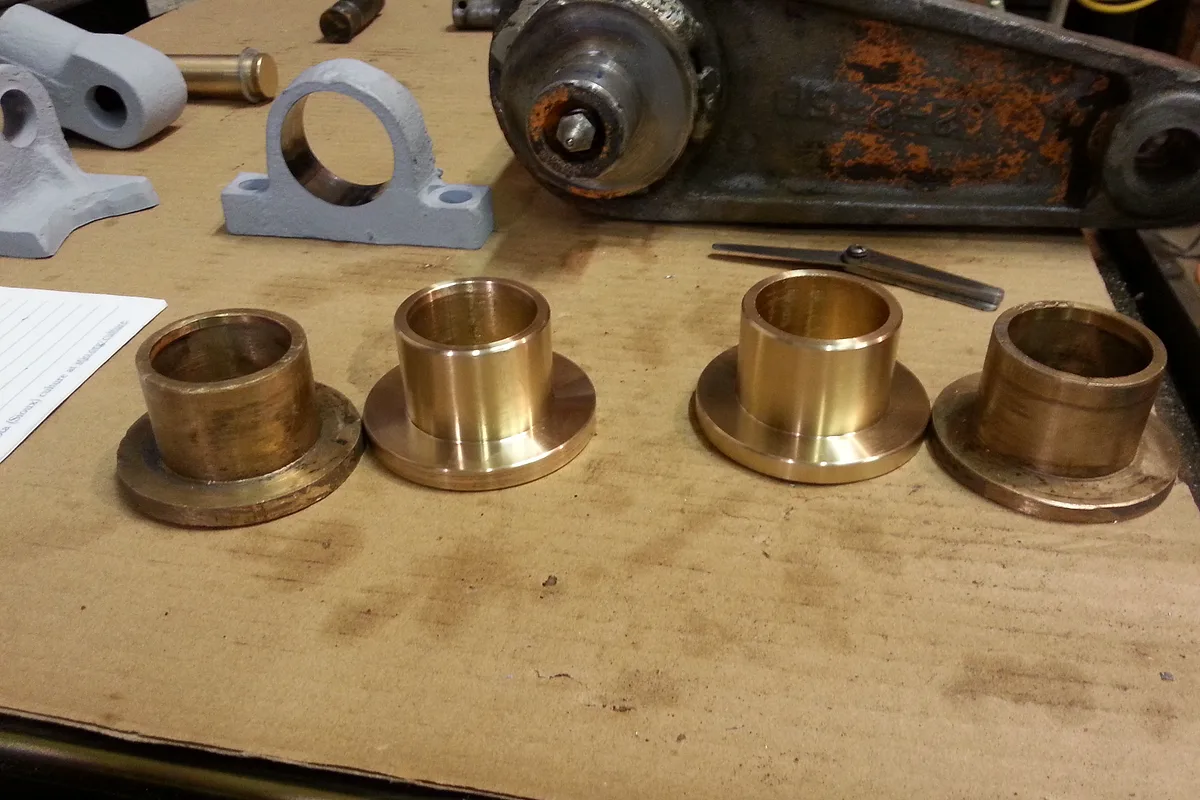
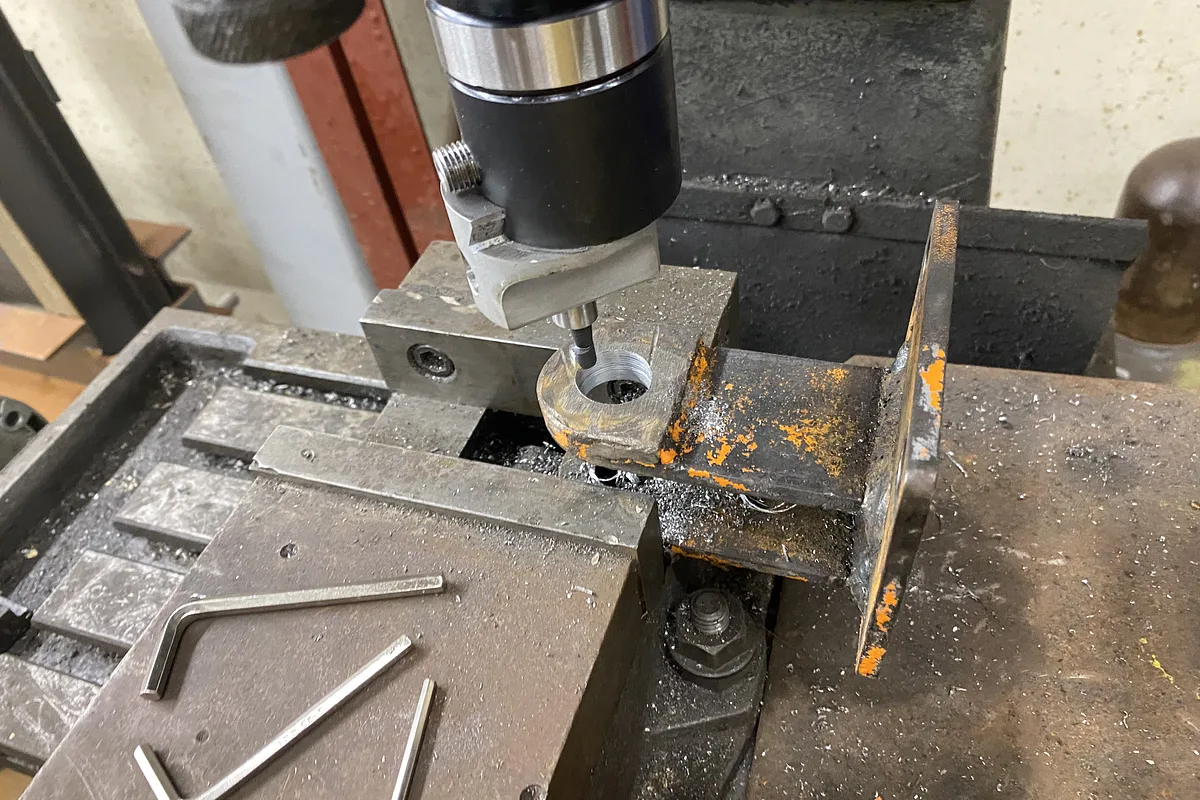
Whenever possible, original parts were repaired instead of discarded. When new steel was needed, it was carefully fabricated to match Tucker's original design while adding the strength needed to keep Marty working for decades to come.
Every cut made with the plasma cutter...
Every weld...
Every measurement...
...was made with one goal in mind:
Preserve the history without compromising the future.
As Marty slowly came apart, she wasn't disappearing.
She was preparing for her next chapter.


Voices From the Journey

"One step at a time... it'll be worth it."
— Fellow Tucker enthusiast


What We Learned

  •  Original parts are worth saving whenever possible. 
  •  Strengthening a machine doesn't mean changing its character. 
  •  Careful planning always beats rushed repairs. 
  •  Every repair should respect the machine's history. 

Coming Up Next

One of the most anticipated moments of the entire restoration is getting closer. After months of planning, measuring, and rebuilding, it's almost time to find out if Marty's heart still beats.
Will the engine run after all these years?


Milestone 9 It Takes a Community

May 13, 2021 · 8 photos

Milestone 9

It Takes a Community

Timeline: Spring 2021
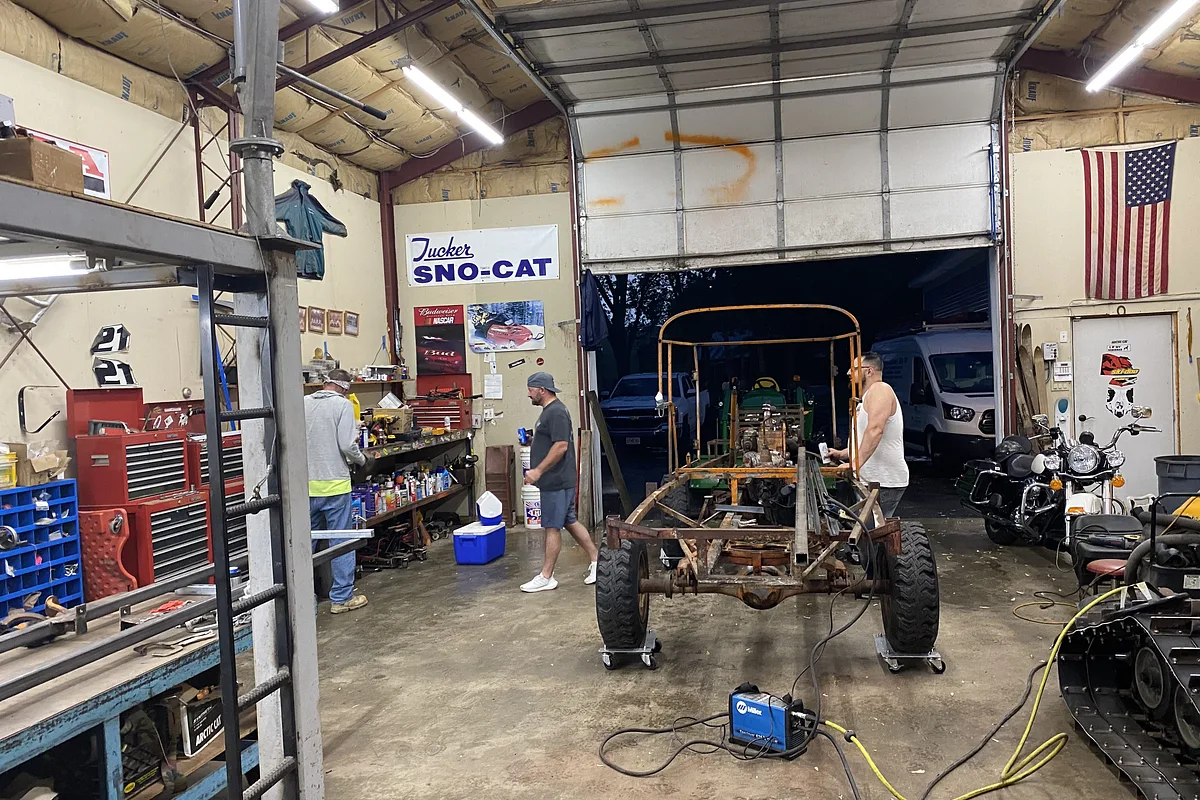
While Marty may have one steward, this restoration has never been a one-person project.
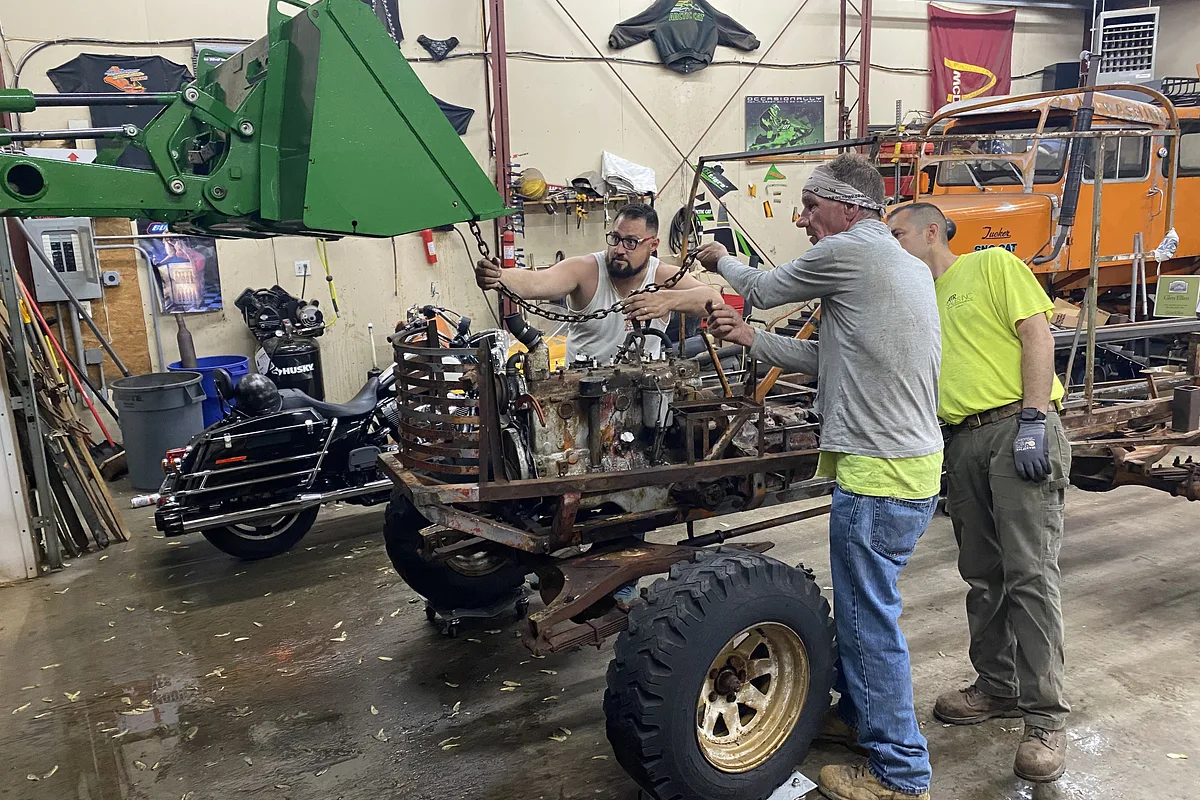
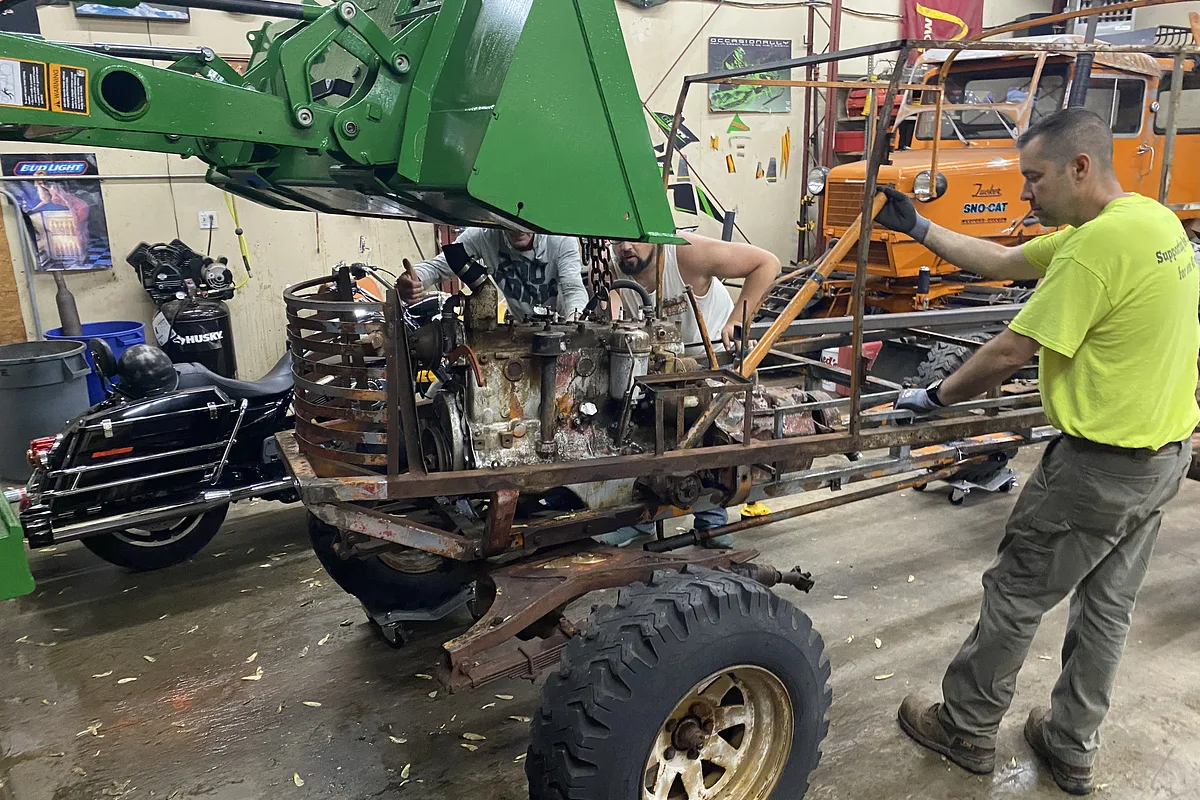
Family, friends, fellow Tucker enthusiasts, and collectors from across the country all became part of Marty's story. Whether lending a hand in the shop, sharing decades of experience, tracking down hard-to-find parts, or answering technical questions online, each person helped preserve a little more of this remarkable machine.
Some days, the biggest progress came from turning wrenches. Other days, it came from a simple photograph, an old memory, or a comment from someone who had worked on these machines years before.
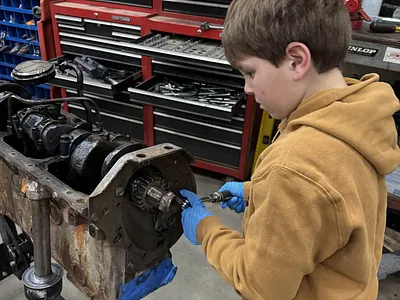
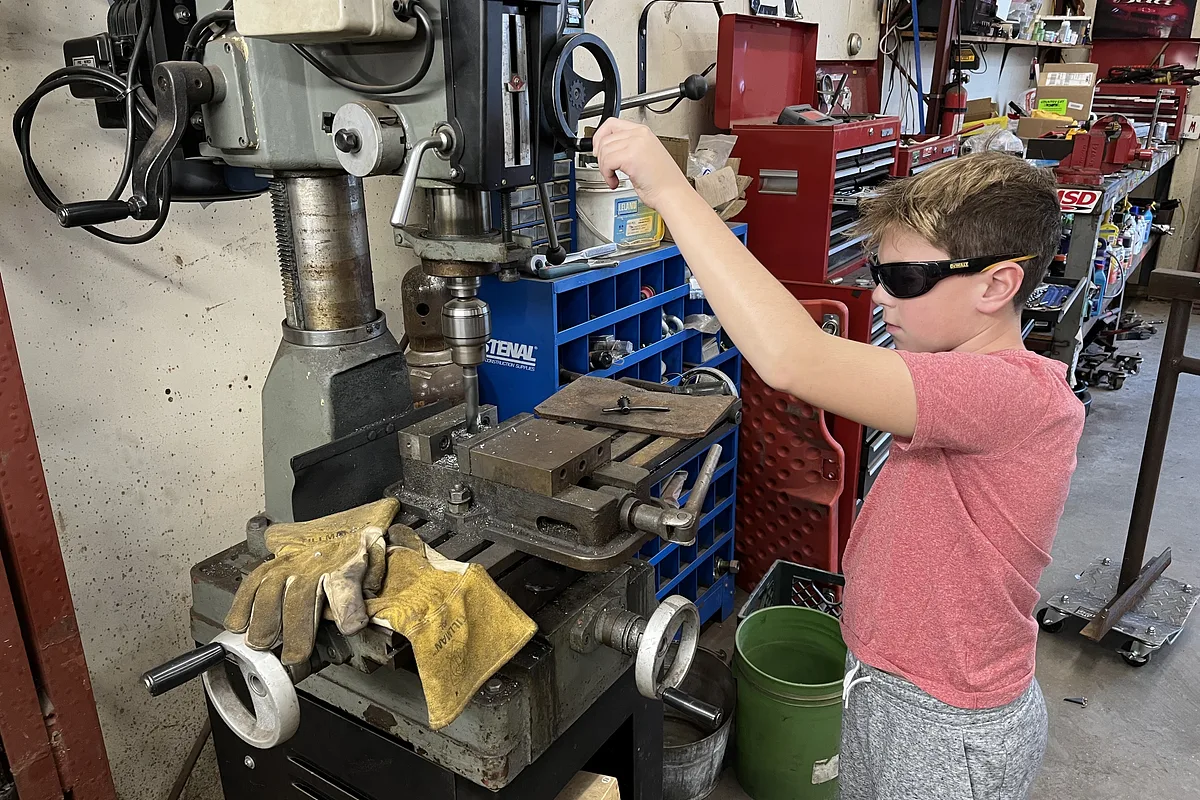
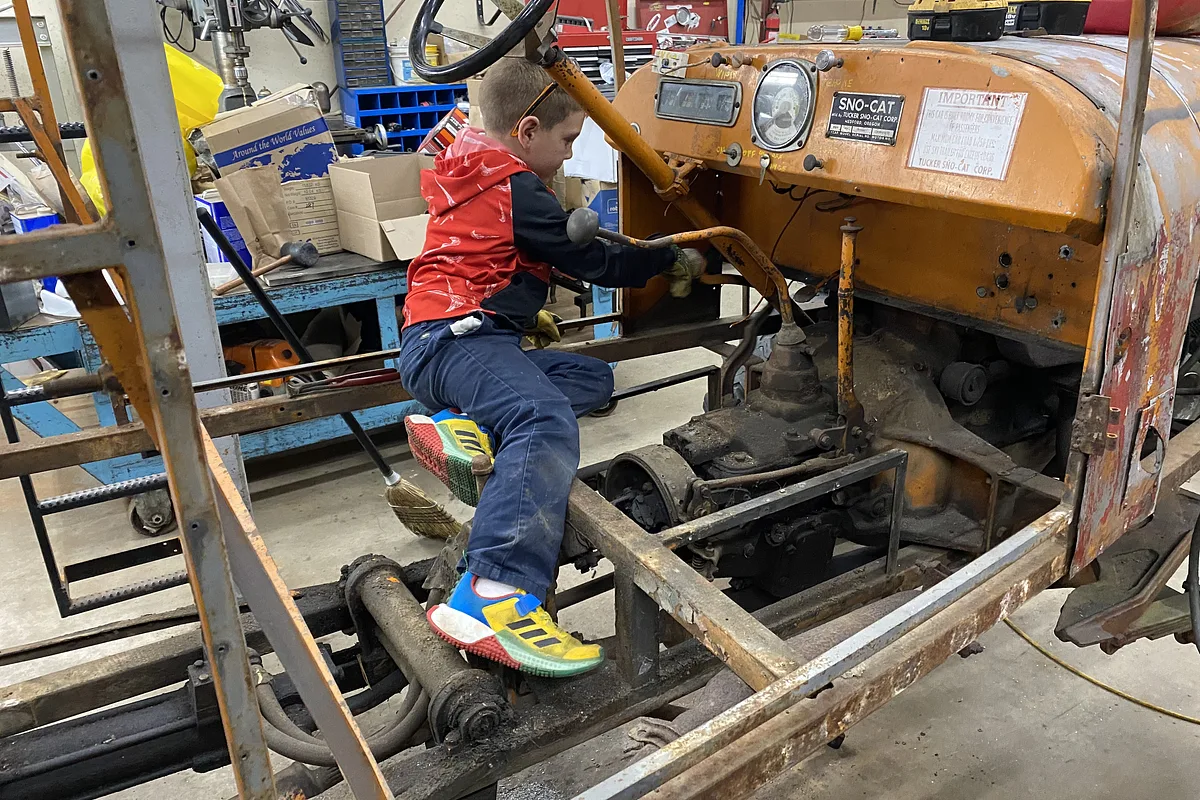
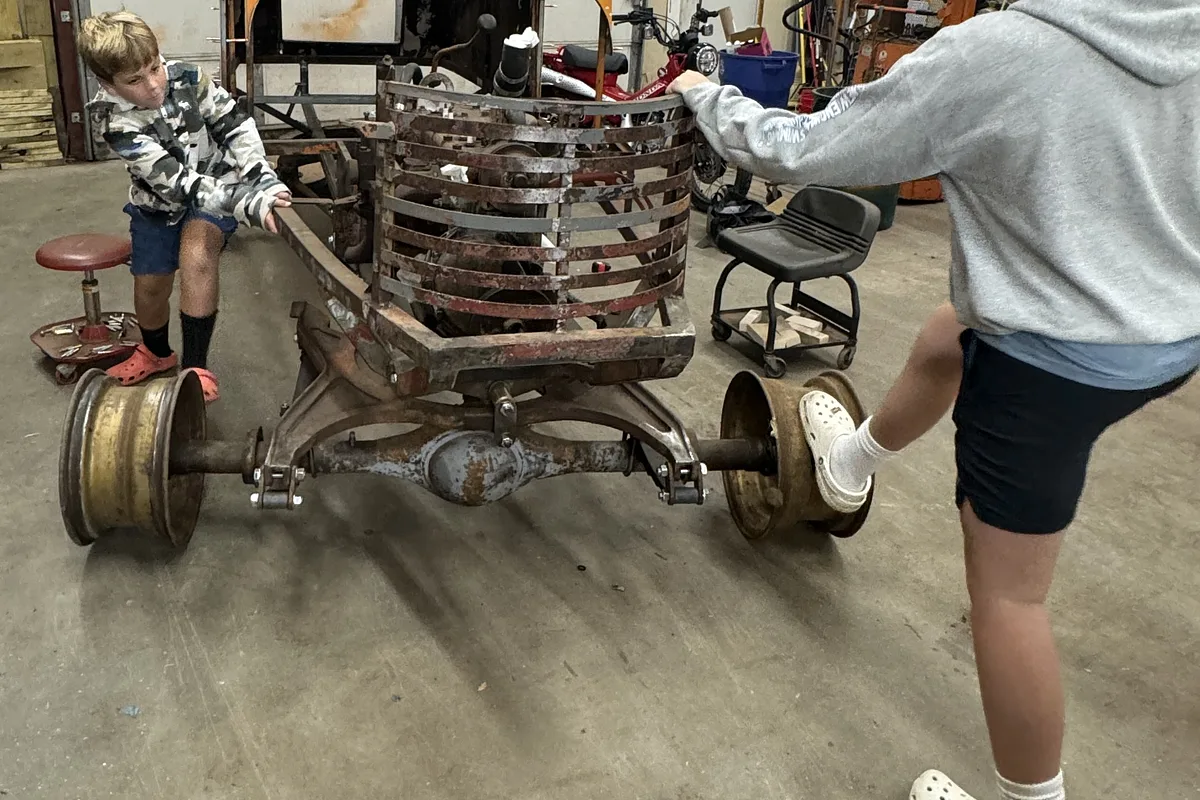
Even the younger generation got involved. Kids and grandkids spent time around the project, learning not only how these incredible machines were built, but why preserving their history matters.
That's what makes Marty special.
This isn't just one person's restoration.
It's a community working together to ensure an important piece of history is never forgotten.
Every helping hand...
Every shared story...
Every answer...
Every memory...
...became another part of Marty's legacy


Voices From the Journey

"Build no two the same."
— Veteran Tucker owner


What We Learned:
 
Great restorations are seldom accomplished in isolation.  
Sharing knowledge is essential for preserving history.  
Family involvement makes every project more significant.  
  • Stewardship means passing on history to future generations.are rarely done alone.
  • Sharing knowledge preserves history.
  • Family makes every project more meaningful.
  • Stewardship is about passing history to the next generation.

Coming Up Next
The deeper Marty is disassembled, the more secrets she reveals. Hidden corrosion, decades-old repairs, and engineering decisions begin to tell the story of a machine that spent a lifetime earning its place on Mount Washington.

Milestone 13 The Heartbeat Returns

Apr 28, 2021 · 5 photos ▶ video
Build clip

The Heartbeat Returns

Timeline: April 14, 2021
Every restoration has one moment that reminds you why all the hard work is worth it.
For Marty, that moment came on April 14, 2021.
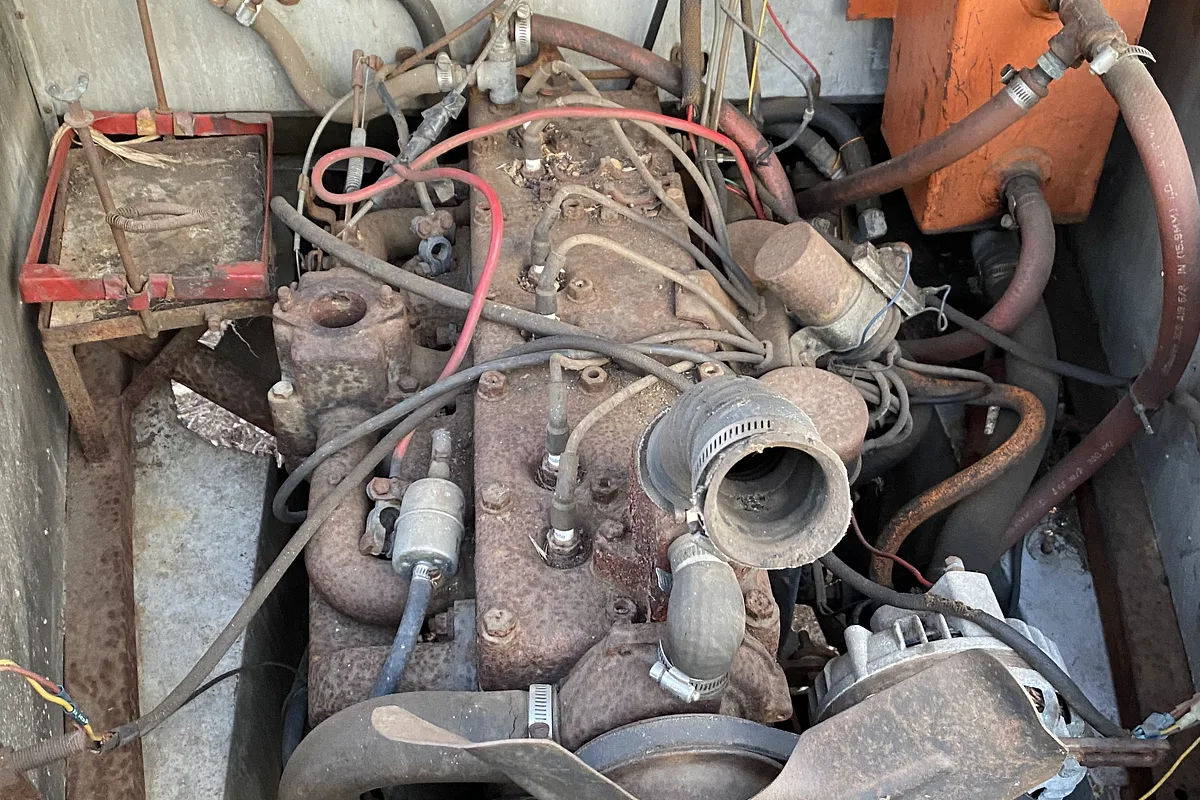
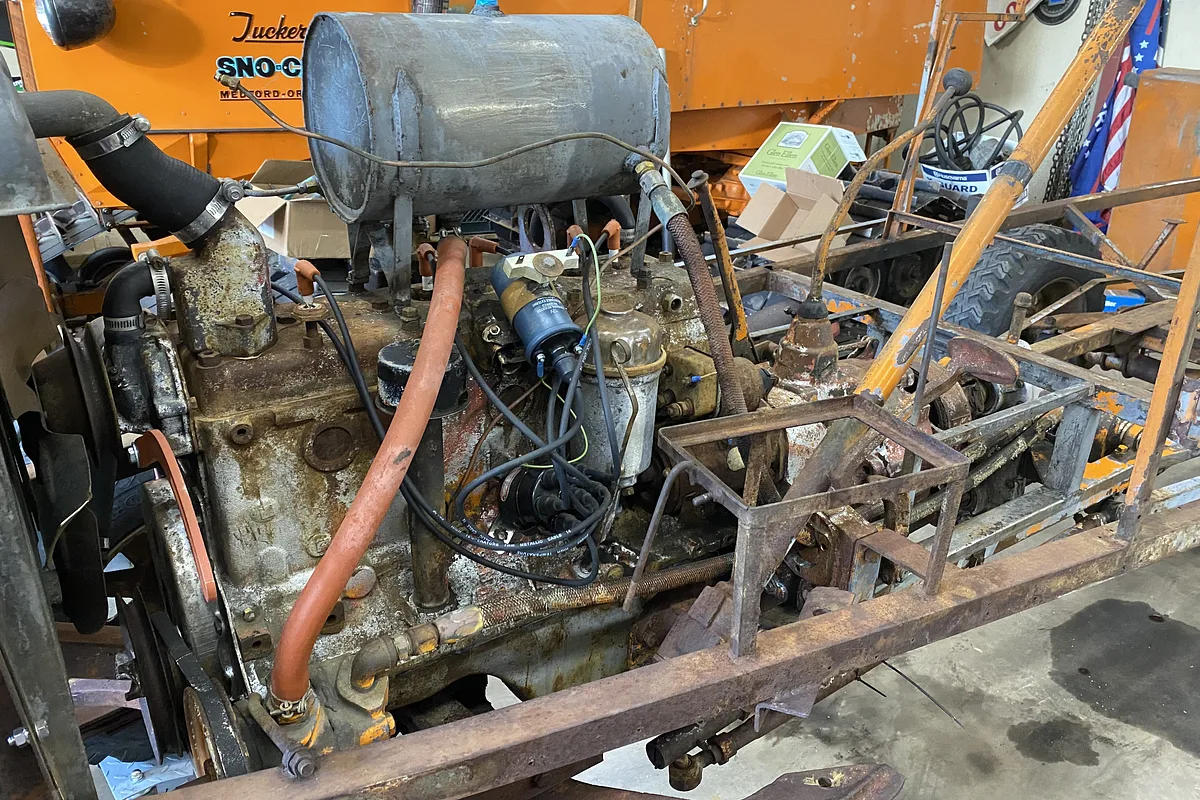
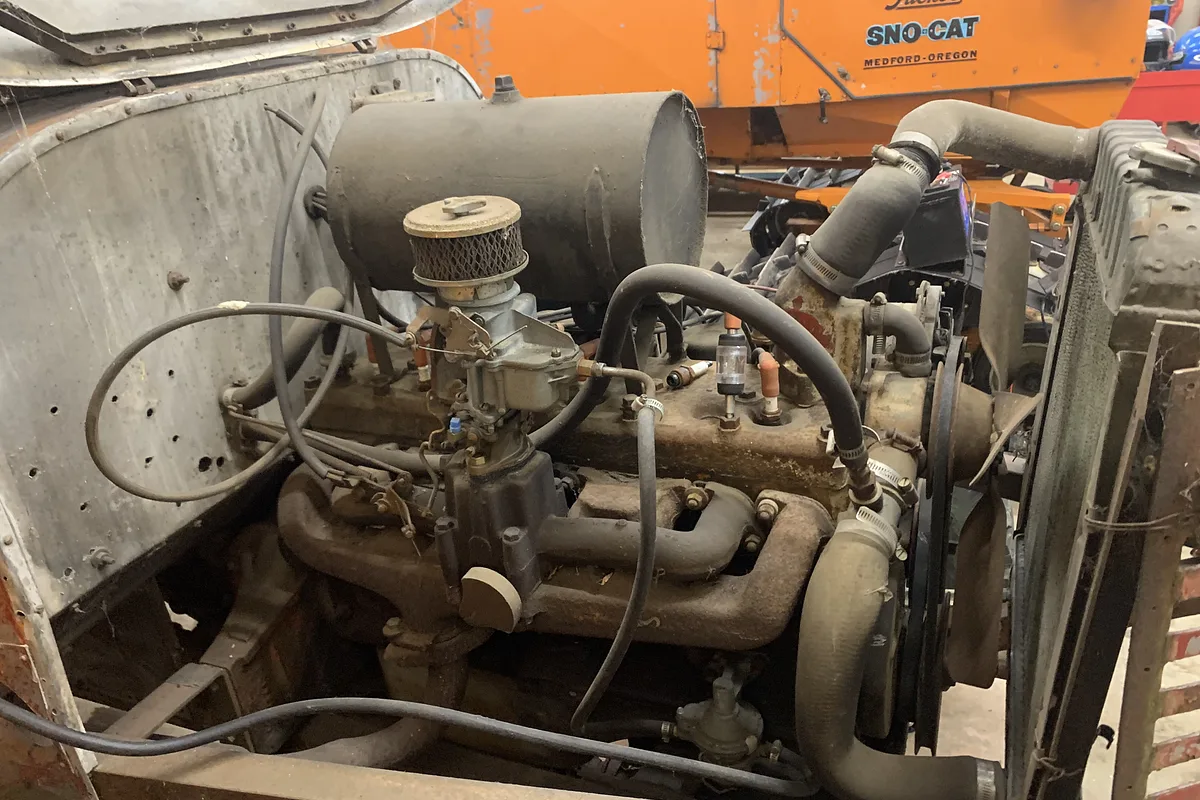
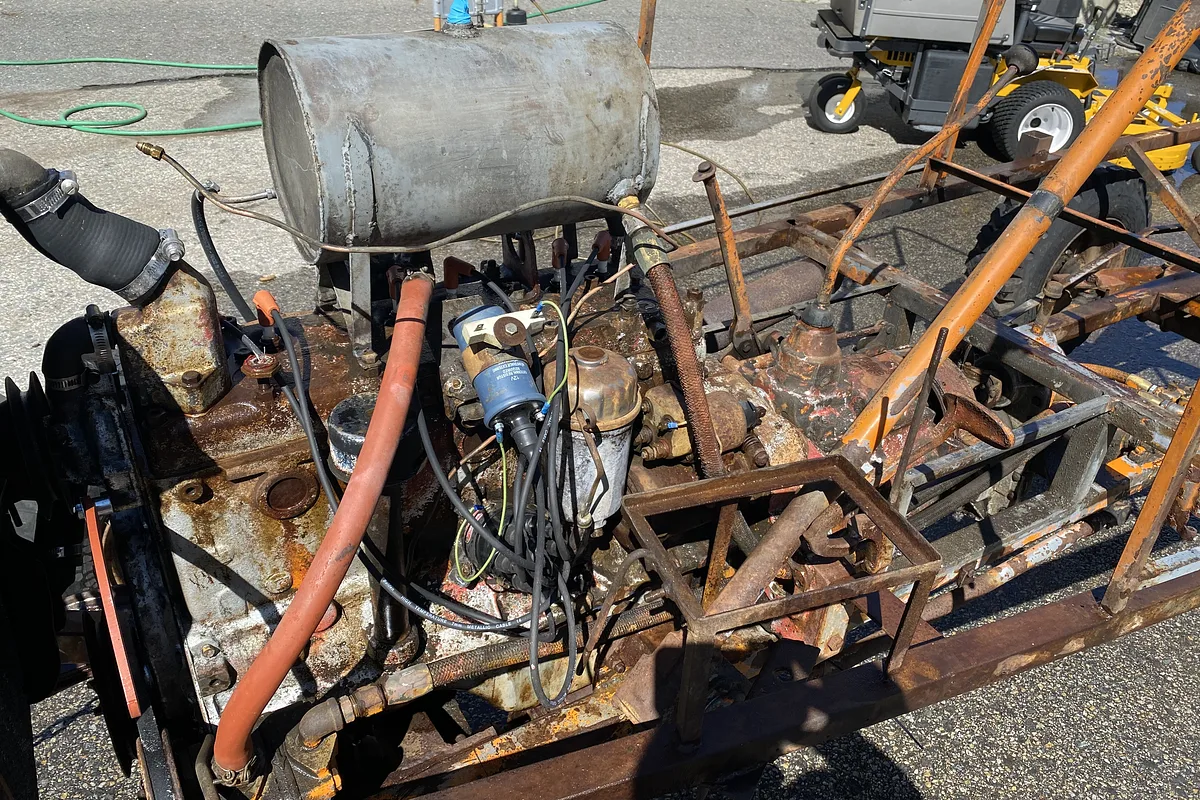
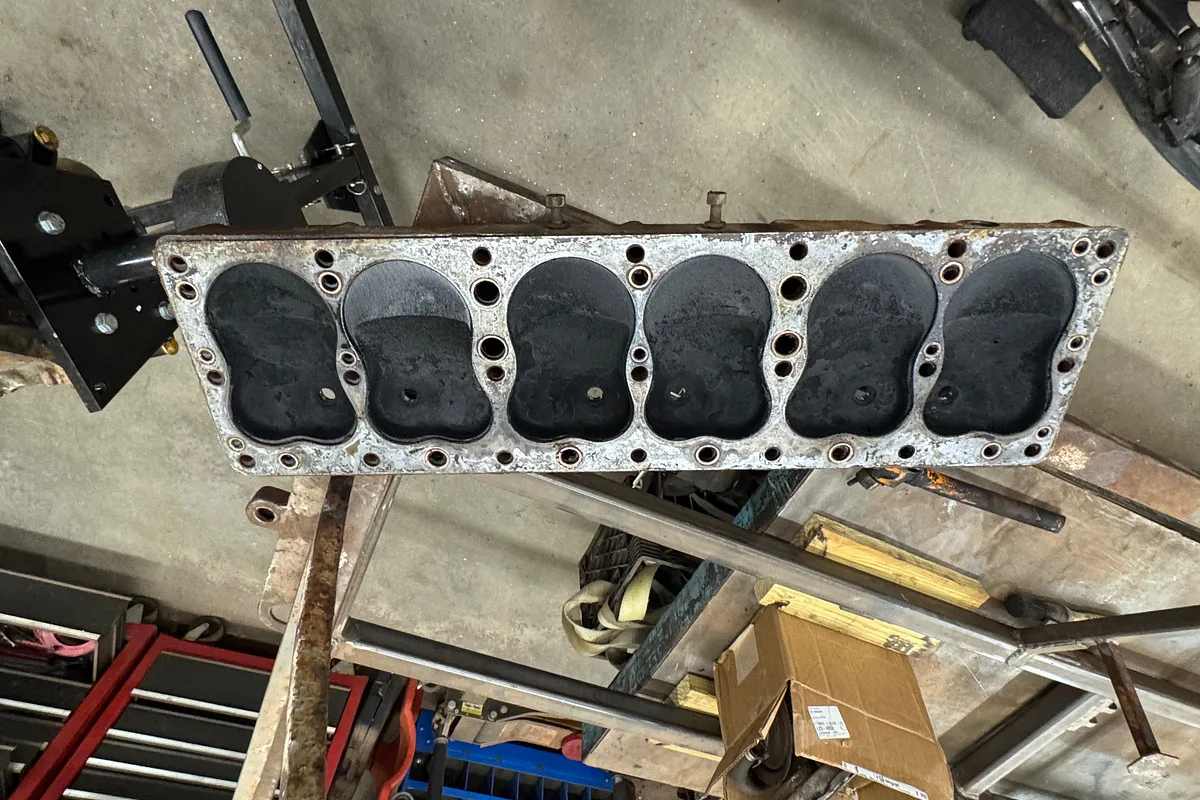
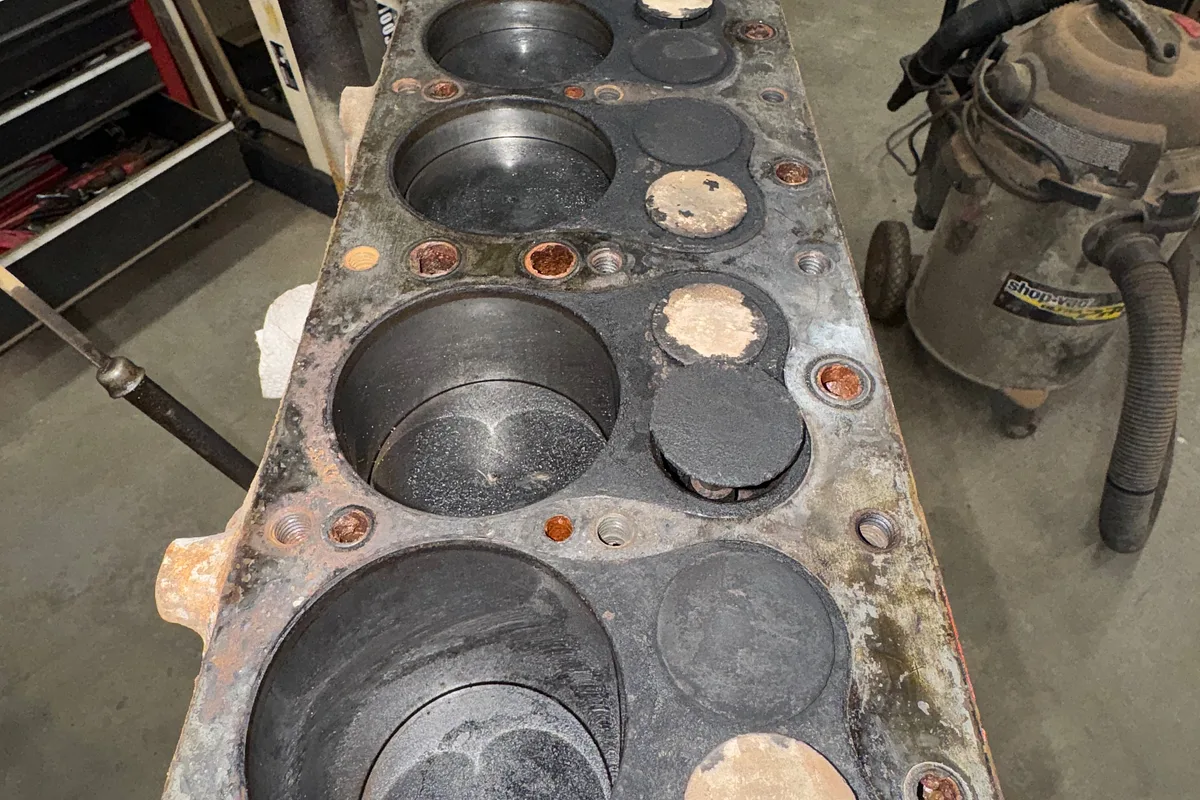
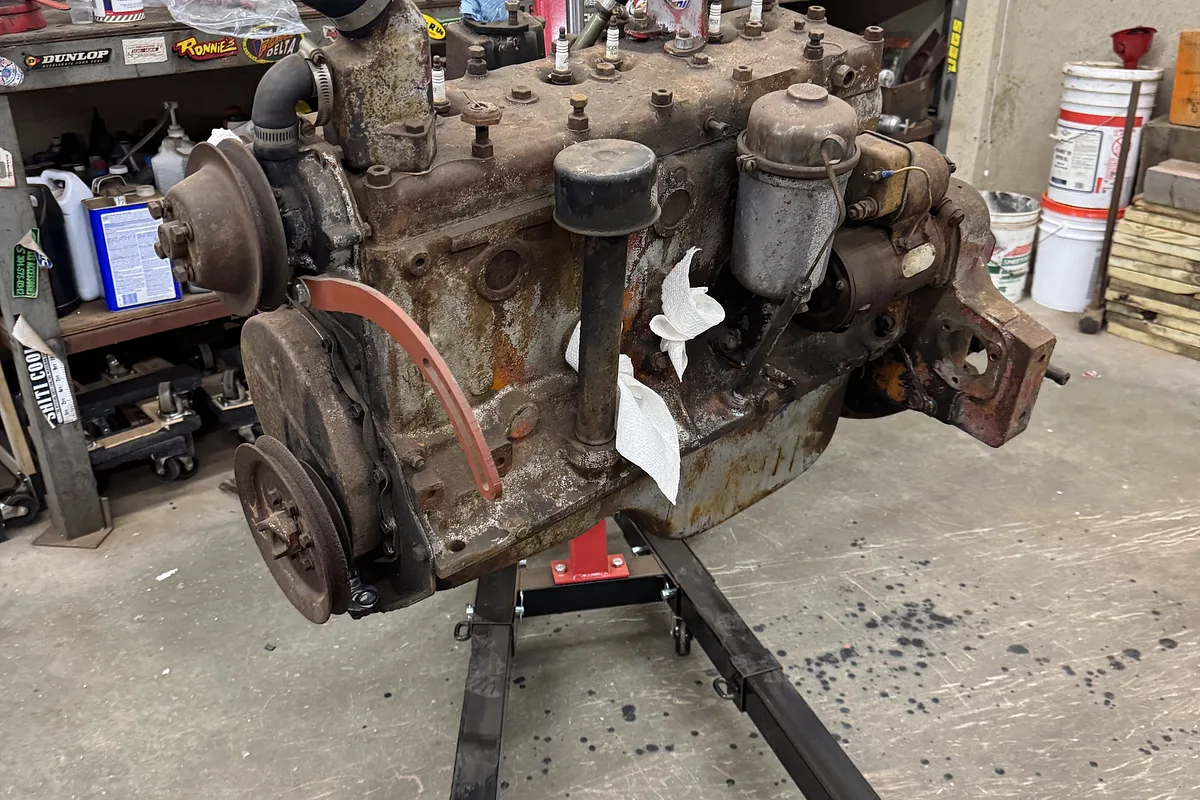
After weeks of careful planning, cleaning, troubleshooting, and advice from fellow Tucker enthusiasts, it was finally time to see if the old flathead engine still had some life left in it.
There was no guarantee.
Years of sitting idle can take a heavy toll on any machine, and everyone knew this was simply another step in the journey—not the finish line.
Then it happened.
Marty came to life.
The sound of the engine echoed through the shop, bringing smiles to everyone who had been following the project. It wasn't a fully restored Sno-Cat yet. There was still a tremendous amount of work ahead, but hearing that engine run was proof that Marty was ready to tell the rest of her story.
It was one of those moments every restorer hopes for.
The machine was alive again.
And with that first heartbeat, the next chapter of Marty's restoration officially began.


Voices From the Journey

"Every update teaches the rest of us something new."
— Tucker enthusiast


What We Learned

  •  Patience pays off. 
  •  Careful planning prevents costly mistakes. 
  •  Small victories keep long restorations moving forward. 
  •  A running engine is the beginning of the next phase, not the finish line.

Coming Up Next

The celebration is short-lived.
Now that Marty has proven she can run, the real rebuilding begins. The chassis, drivetrain, body, and countless original components still have a long journey ahead before Marty is ready to return to the snow once again.

Milestone 8 Restoring History Together

Apr 8, 2021 · 26 photos

Restoring History Together

Timeline: March–April 2021
One of the best parts of restoring a historic machine is realizing you don't have to do it alone.
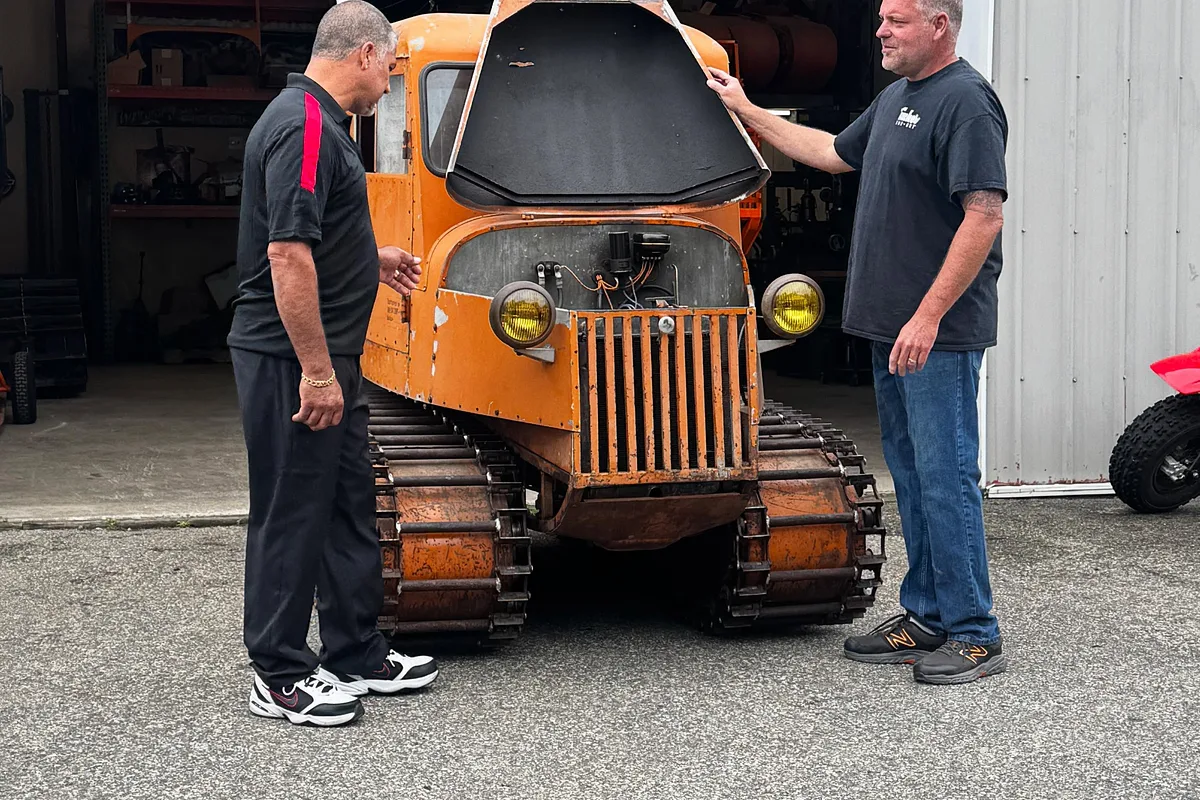
As questions came up, I turned to the Tucker community for help. Owners from across North America shared photos, measurements, factory details, and years of firsthand experience. Together, we worked through questions about original components, radiator placement, cooling fans, hood latches, frame construction, and countless other details.
More than once, what looked like an incorrect part turned out to be an authentic Tucker design. Other times, decades-old modifications revealed practical improvements made by previous owners to keep Marty working in some of the harshest conditions imaginable.
The restoration became a collaboration between people who shared one goal: preserving Tucker history the right way.
One comment summed up Tucker manufacturing better than anything else.
"Build no two the same."
That simple phrase explained why so many small details differed from one Tucker to another. These machines weren't mass-produced. They were hand-built, and every one carries its own personality.
Every question asked...
Every photo shared...
Every answer received...
...helped preserve another small piece of Marty's story.


Voices From the Journey

"Keep the original spirit alive."
— Tucker collector

What We Learned

  •  Never assume a part is incorrect without researching it. 
  •  Tucker machines were often hand-built with small differences from one another. 
  •  Experienced owners are an invaluable source of historical knowledge. 
  •  Collaboration leads to more accurate restorations.

Coming Up Next

The deeper the restoration goes, the bigger the challenges become. Hidden corrosion, decades-old repairs, and tough decisions lie ahead as Marty begins her journey back to life.

Milestone 7 Every Part Has a Story

Mar 10, 2021 · 22 photos

Milestone 7

Every Part Has a Story

Timeline: March 2021
As Marty's restoration moved forward, it became clear that this wasn't simply a matter of replacing worn-out parts.
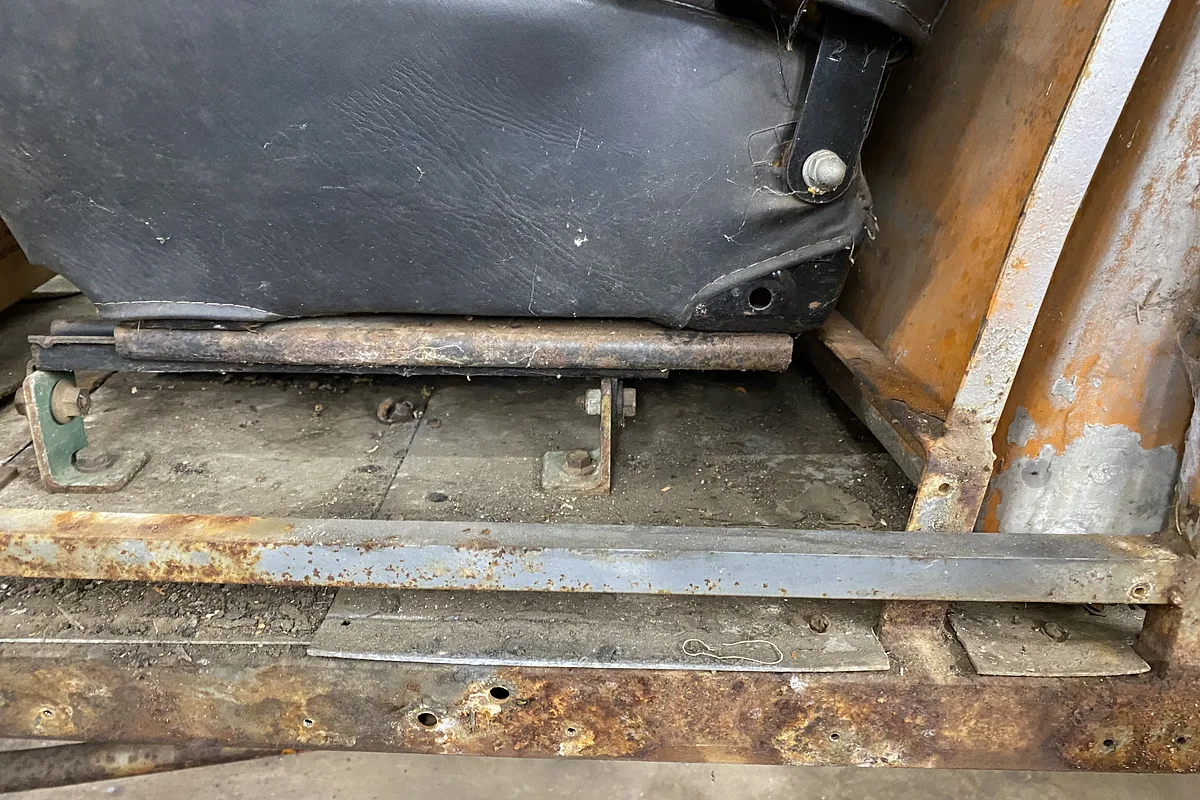
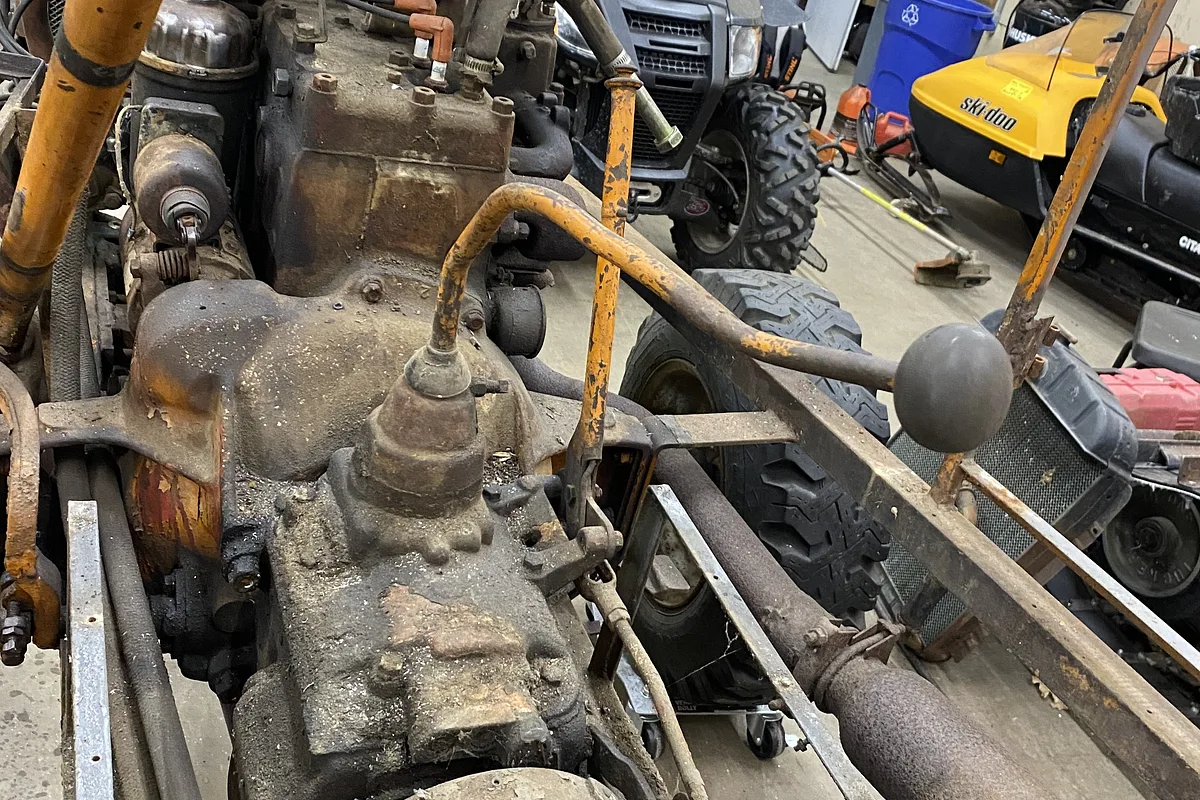
Every component I removed revealed another clue about the machine's life. Some parts were exactly as Tucker built them over seventy years ago. Others showed evidence of thoughtful field repairs and modifications made to keep Marty working through decades of harsh New England winters.
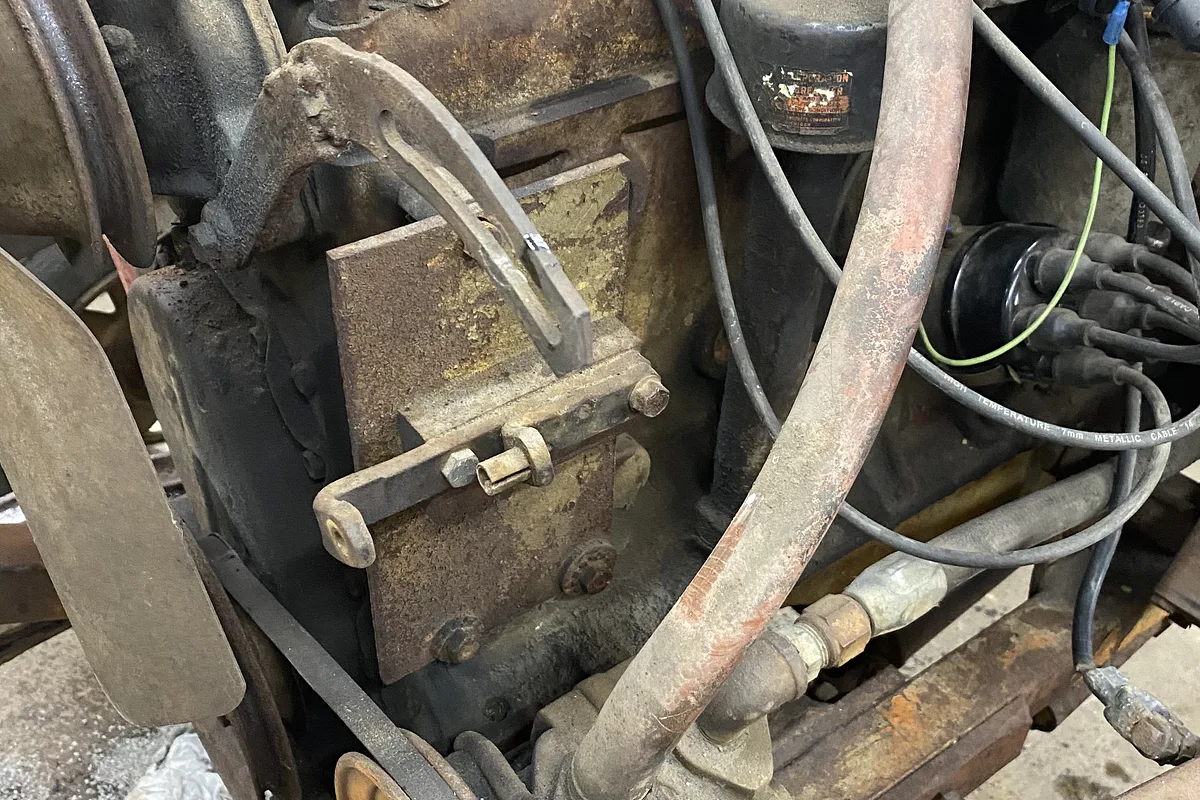
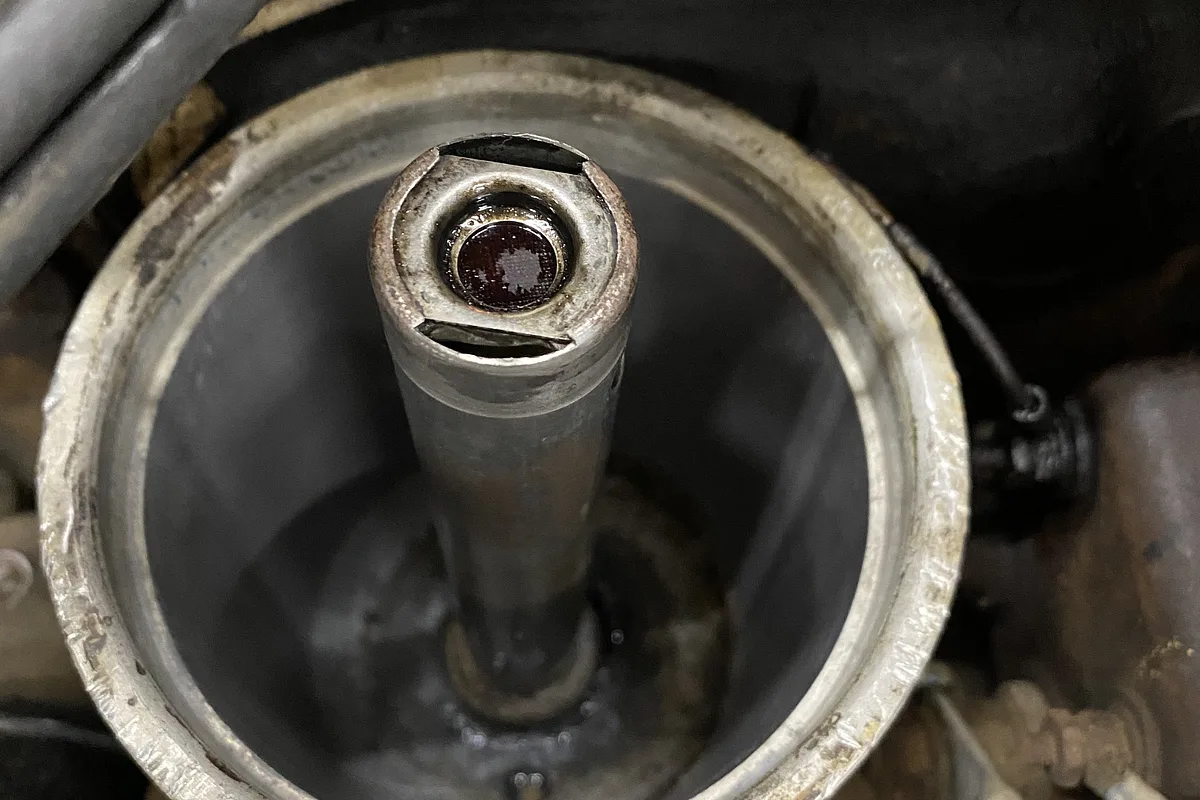
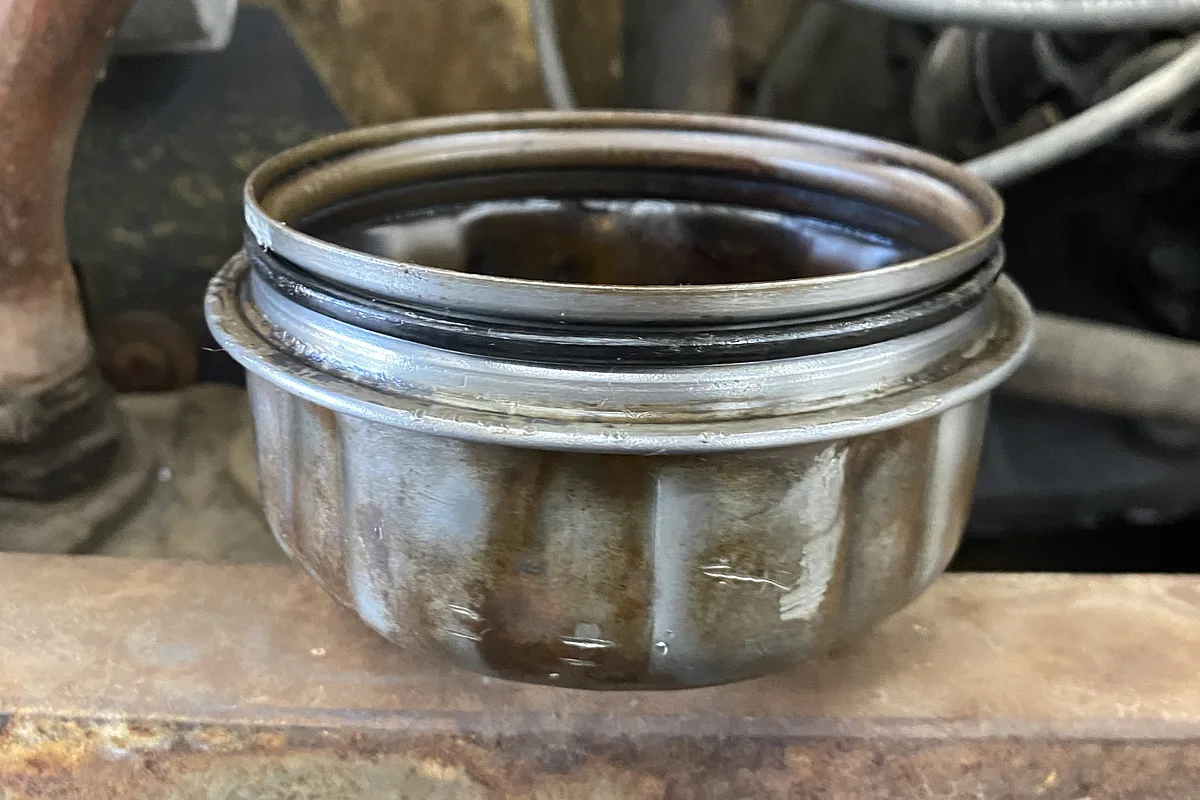
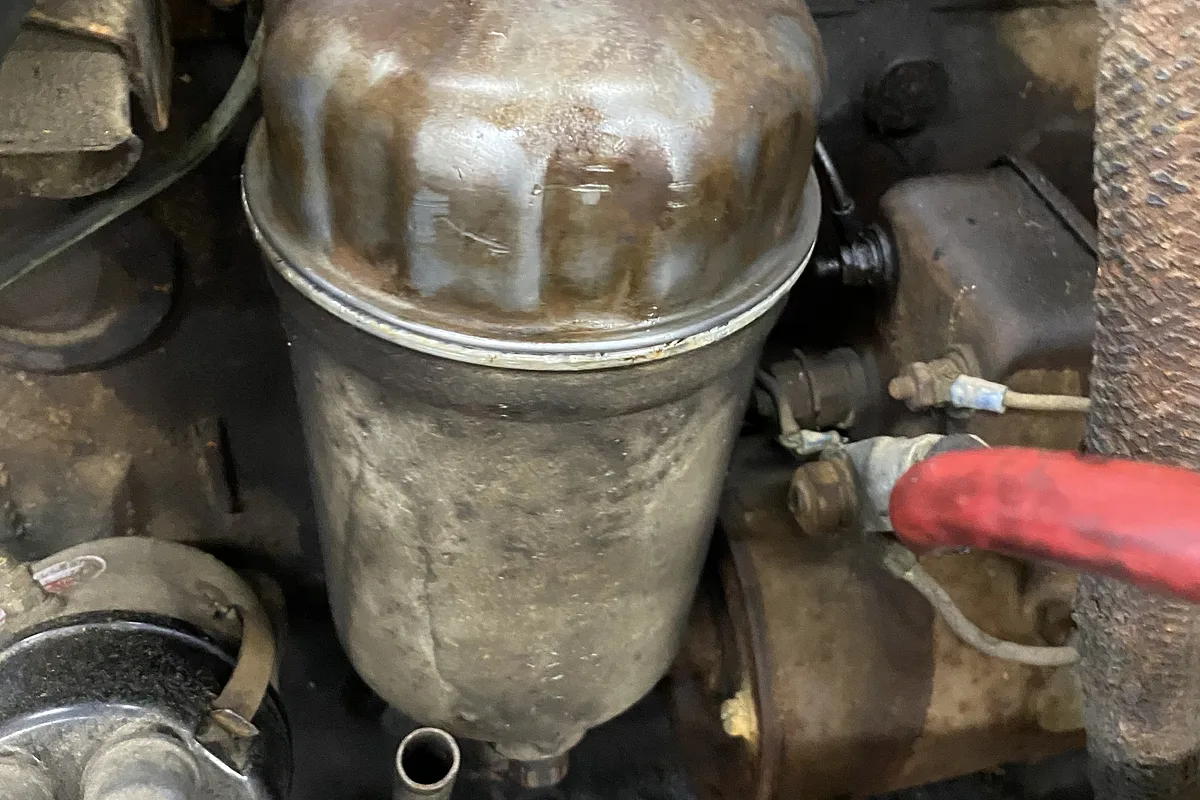
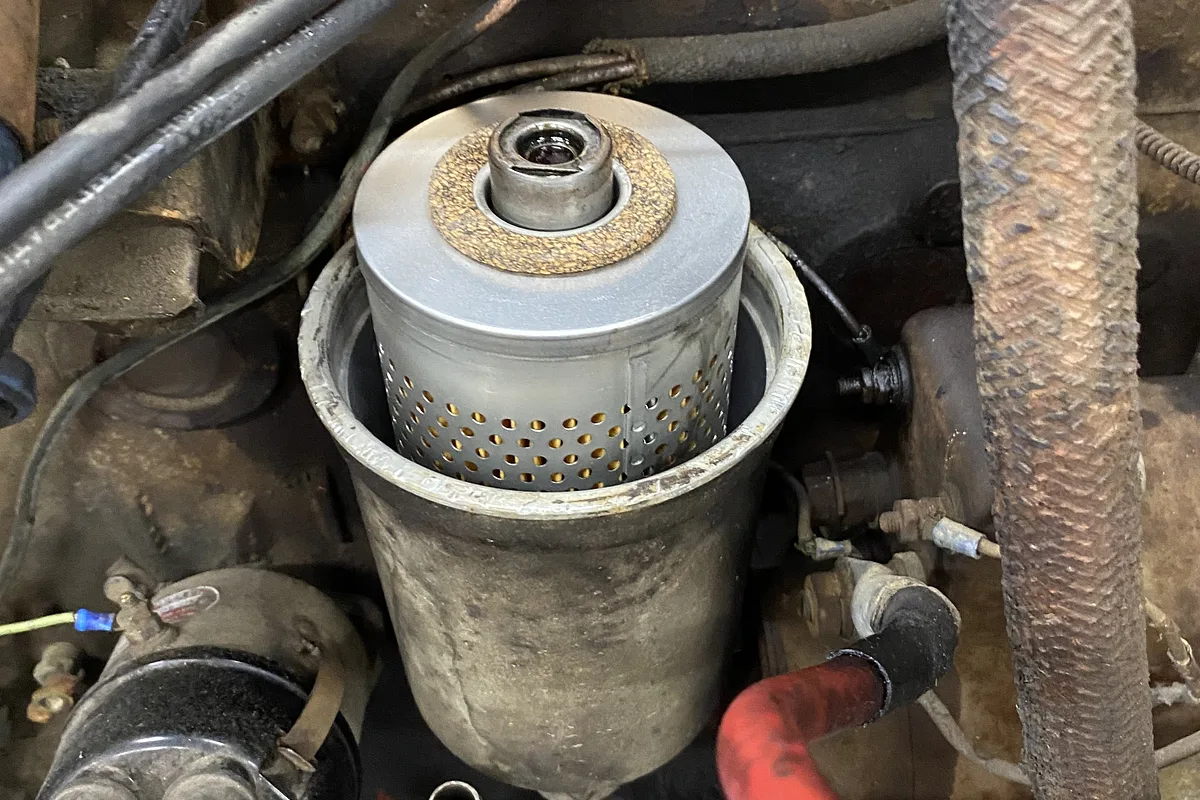
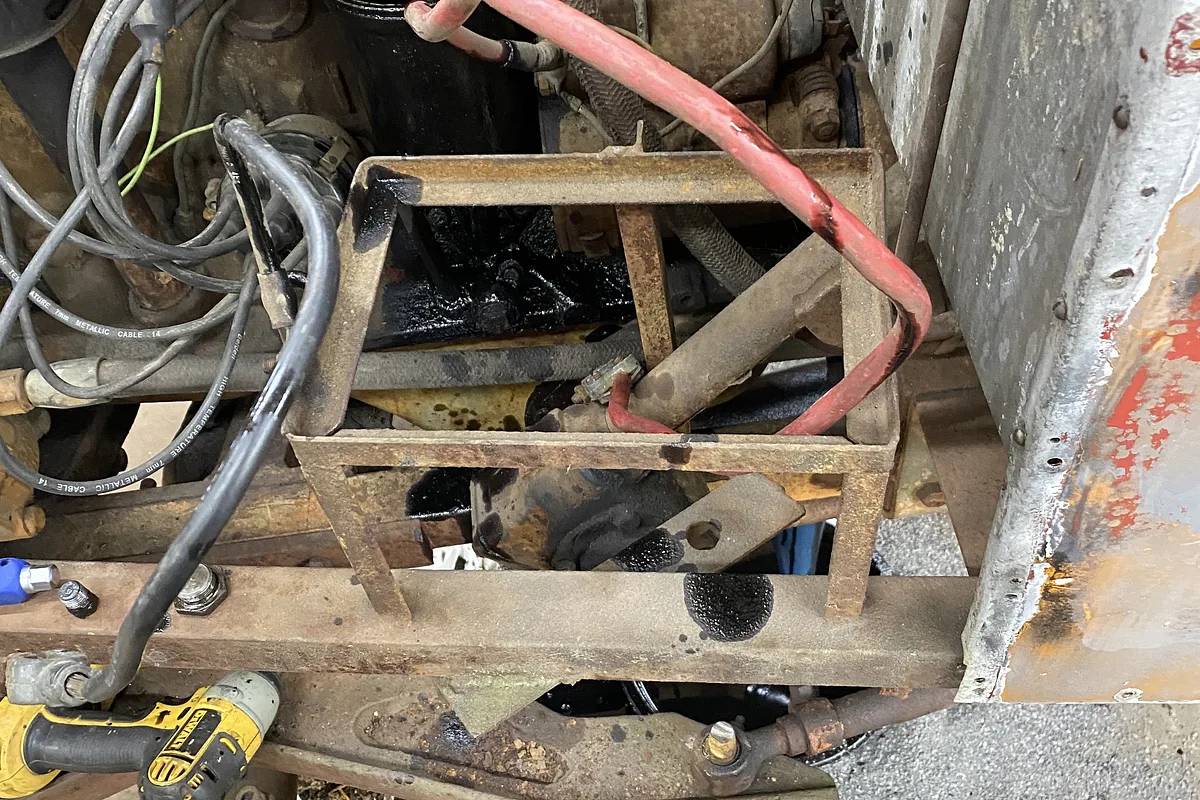
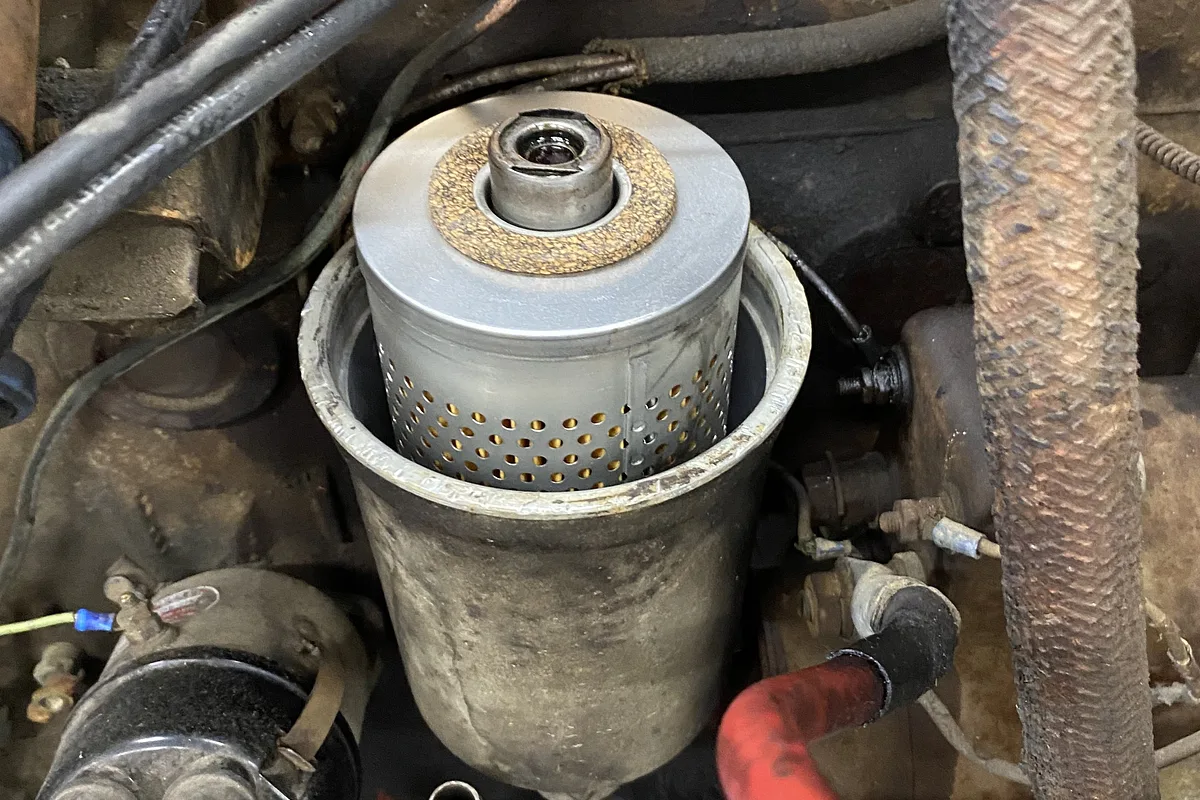
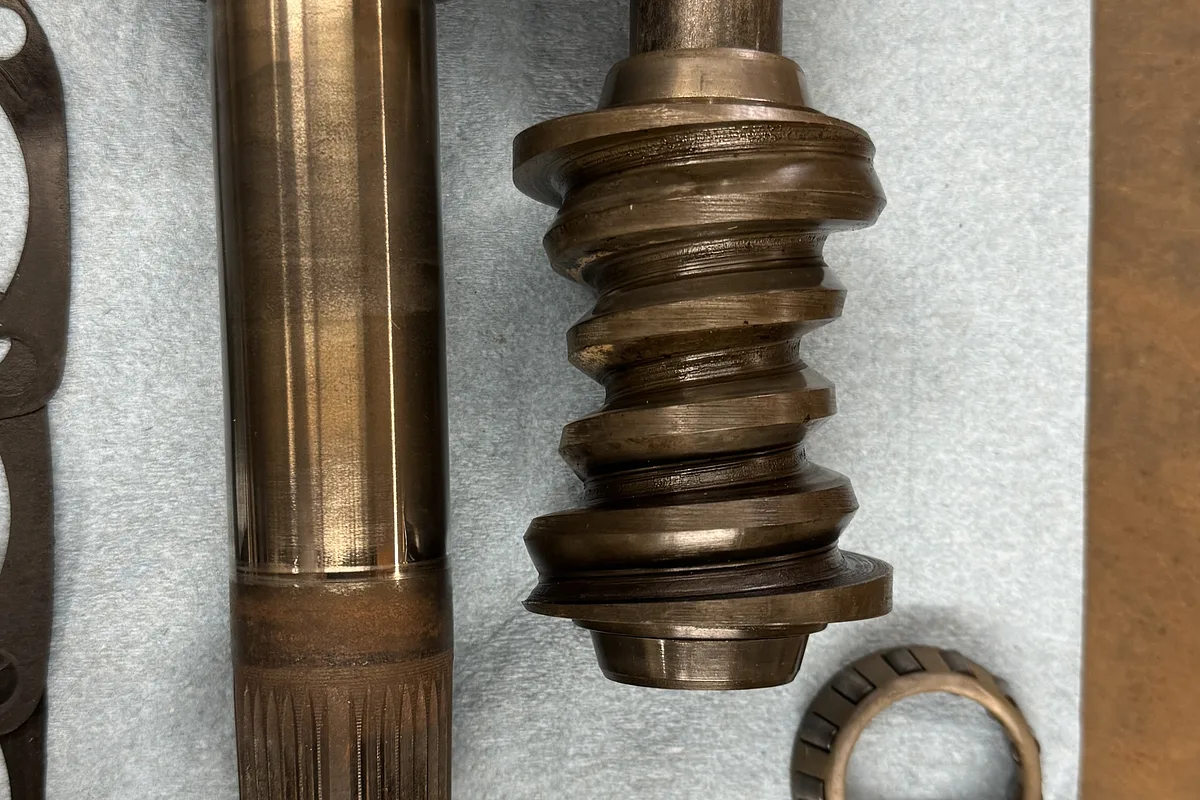
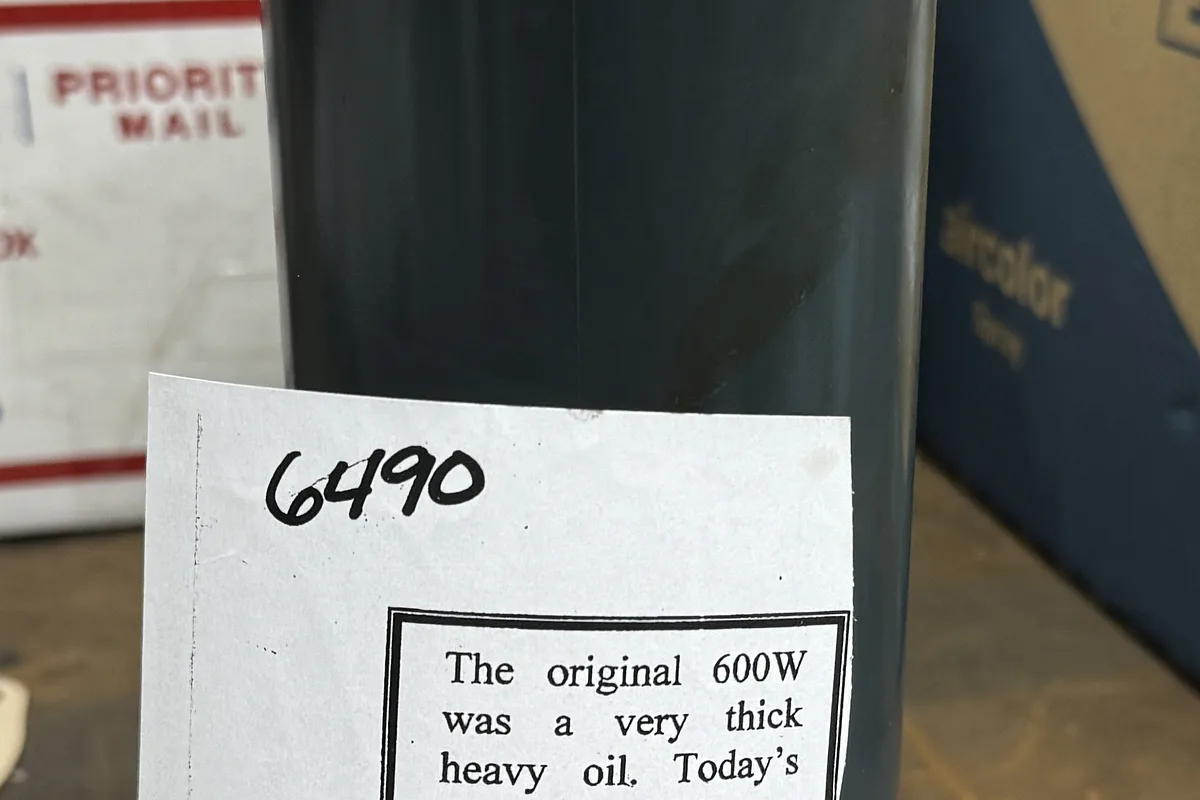
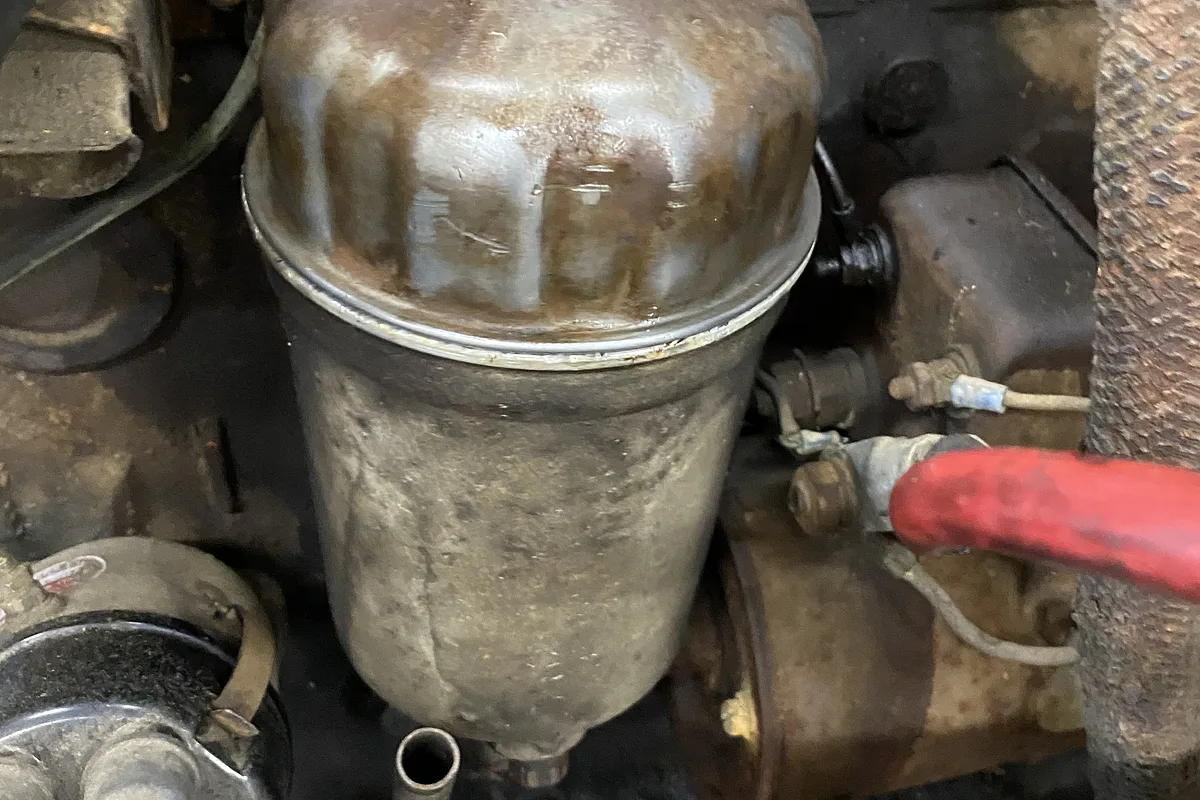
Even routine maintenance uncovered surprises. An old oil filter had deteriorated into little more than sludge, confirming it had been in service far longer than intended. Drain plug gaskets, brackets, and hardware all raised new questions about what was original and what had been changed over the years.
Rather than guessing, I leaned on the incredible Tucker community. Owners from across the country shared measurements, photos, and years of experience, helping identify the correct components and preserving details that might otherwise have been lost.
One lesson quickly became clear.
The goal wasn't to make Marty look new.
The goal was to understand her story before writing the next chapter.
Every bolt removed...
Every measurement taken...
Every old repair uncovered...
...became another piece of Marty's history.


Voices From the Journey

"Every update teaches the rest of us something new."
— Tucker enthusiast

What We Learned

  •  Preserve original parts whenever possible. 
  •  Document everything before replacing it. 
  •  The Tucker community is an invaluable source of knowledge. 
  •  Every repair tells part of the machine's story.

Coming Up Next

Some of Marty's biggest mysteries couldn't be solved alone. The Tucker community steps in, helping identify original parts, solve engineering puzzles, and preserve history one question at a time.

Milestone The Investigation Begin

Jan 1, 2021 · 6 photos ▶ video
Build clip

The Investigation Begins

Timeline: Early 2021
Every old machine has a story.
The challenge is figuring out which parts of that story are original, which were repaired along the way, and which mysteries are still waiting to be solved.
Before diving into the restoration, I slowed down and began studying every inch of Marty. Every bracket, weld, bolt, and modification became another clue. Some repairs dated back decades, while others appeared to have been made simply to keep the machine working through another winter.
Rather than rushing to replace parts, I wanted to understand why they had been changed in the first place.
That meant measuring everything, comparing original Tucker literature, talking with longtime owners, and documenting every detail before disassembly.
The more I looked, the more I realized I wasn't just restoring a Sno-Cat.
I was investigating its entire working life.
Every discovery would help tell Marty's story and ensure this restoration honored both the machine and the people who depended on it.


Follow the Journey

Every milestone uncovers another piece of Marty's history. Follow the project as we continue to document, restore, and preserve one of New England's most remarkable Tucker Sno-Cats.


Voices From the Journey

"One step at a time... it'll be worth it."
— Fellow Tucker enthusiast

A Machine Worth Saving

Jan 2, 2015 · 6 photos


A Machine Worth Saving

Timeline: 2015
Sometimes history is found in the places you'd least expect.
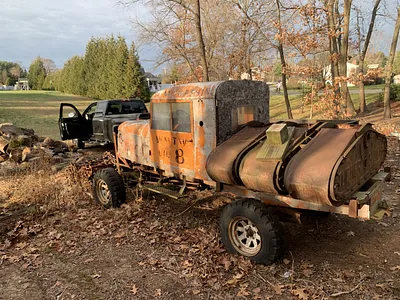
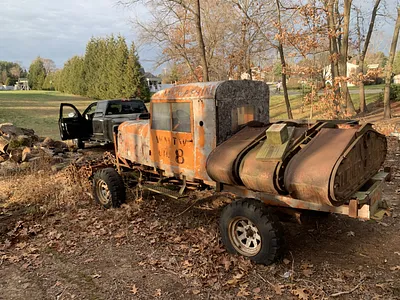
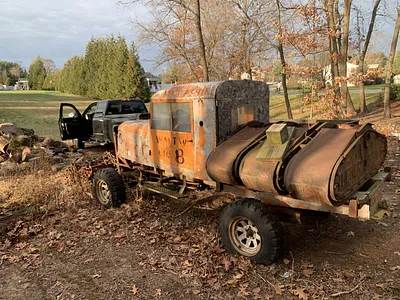
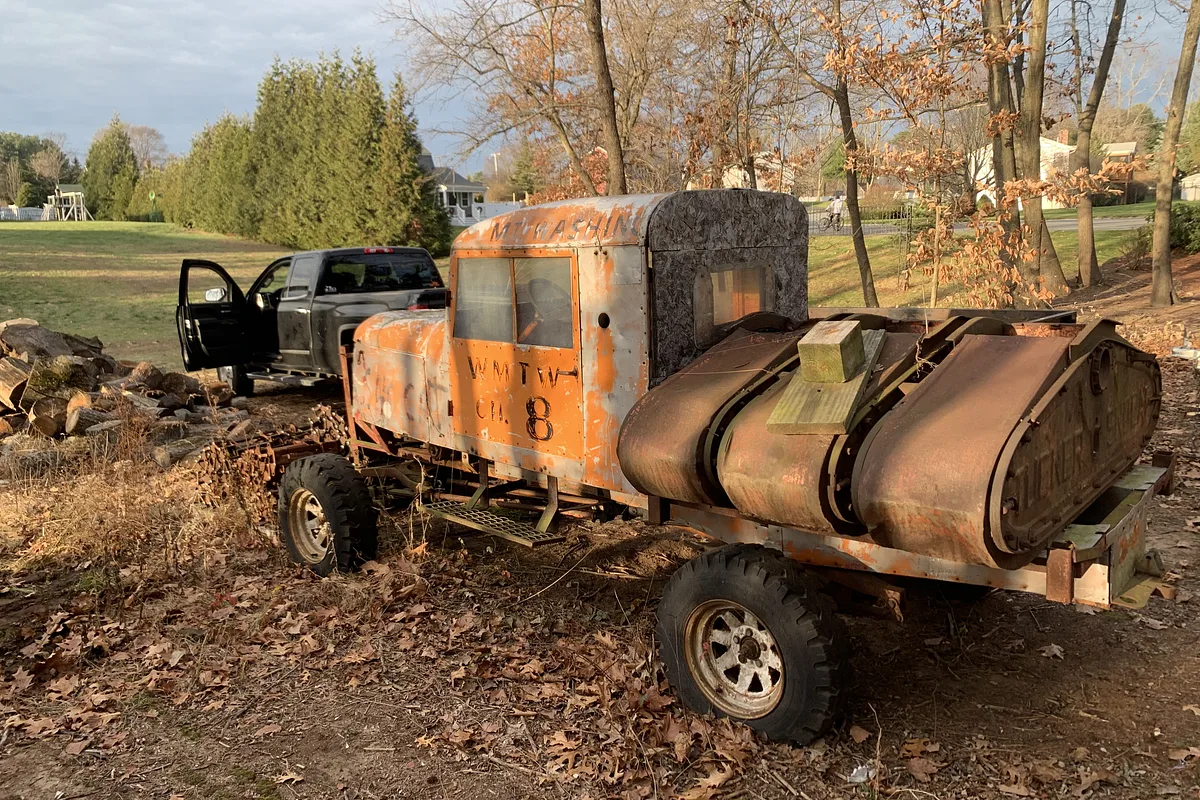
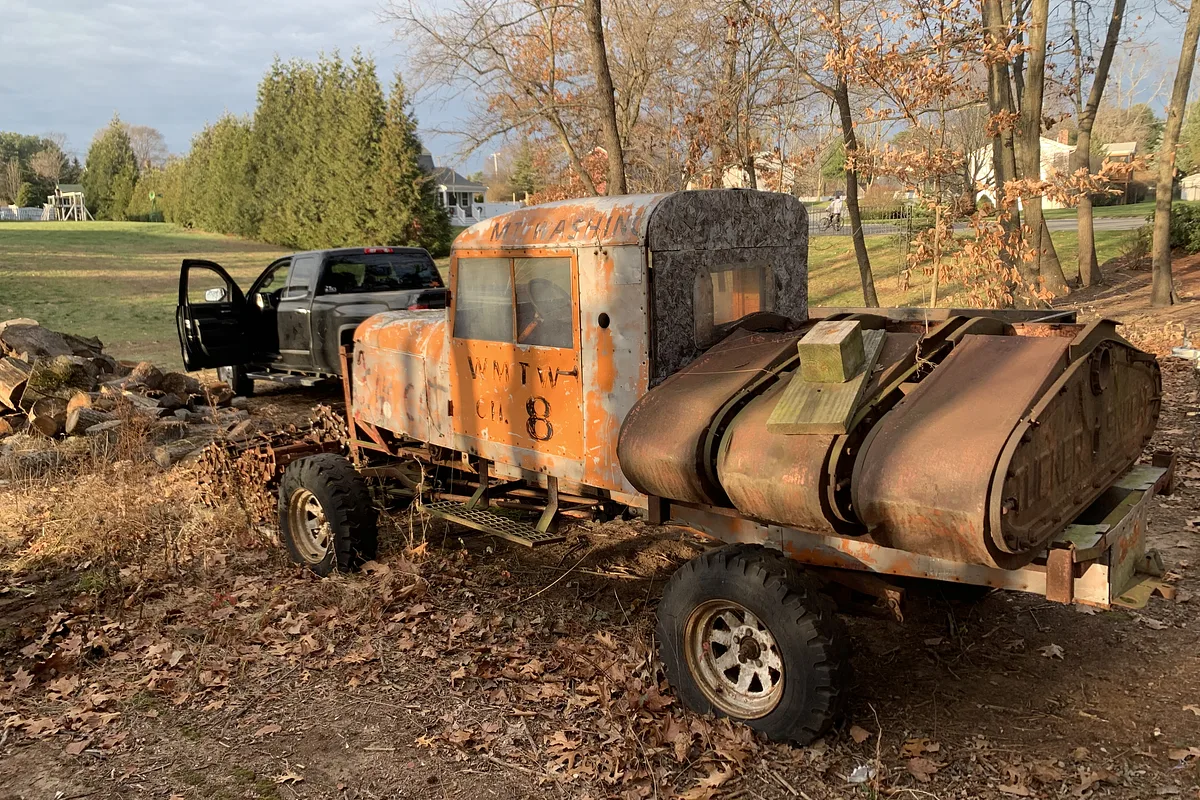
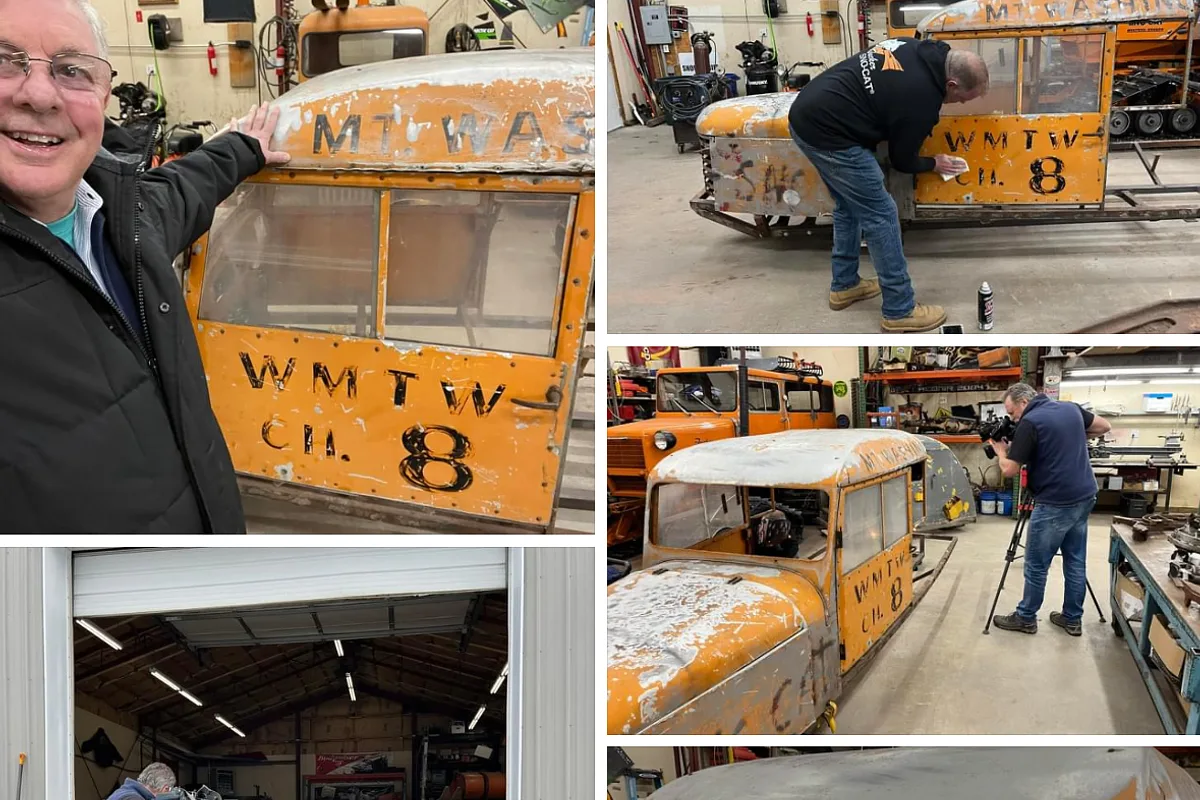
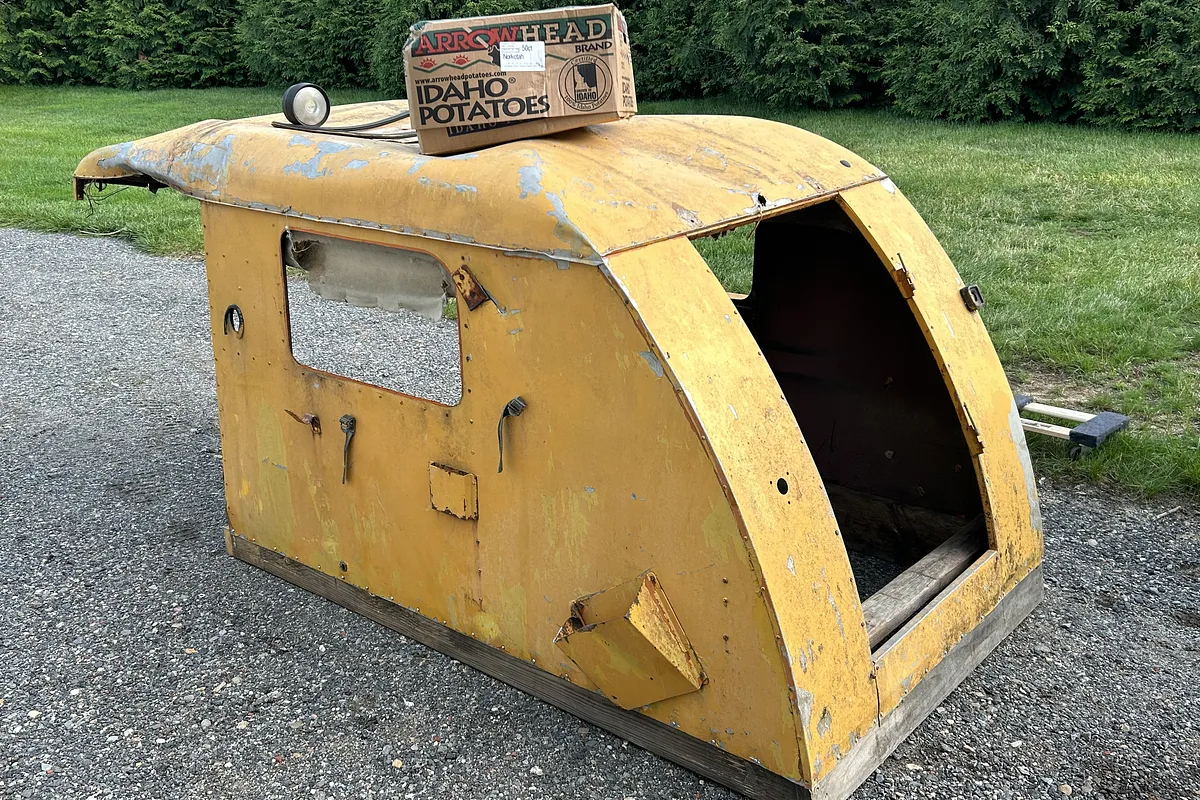
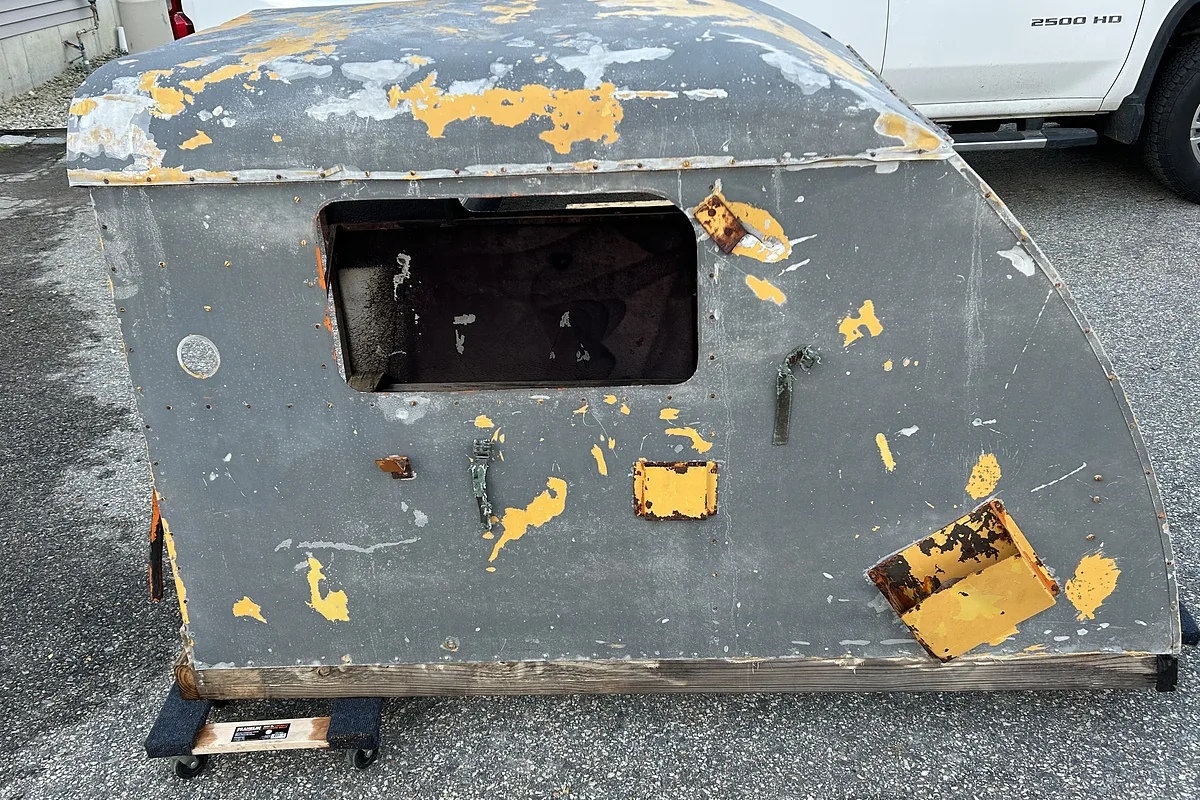
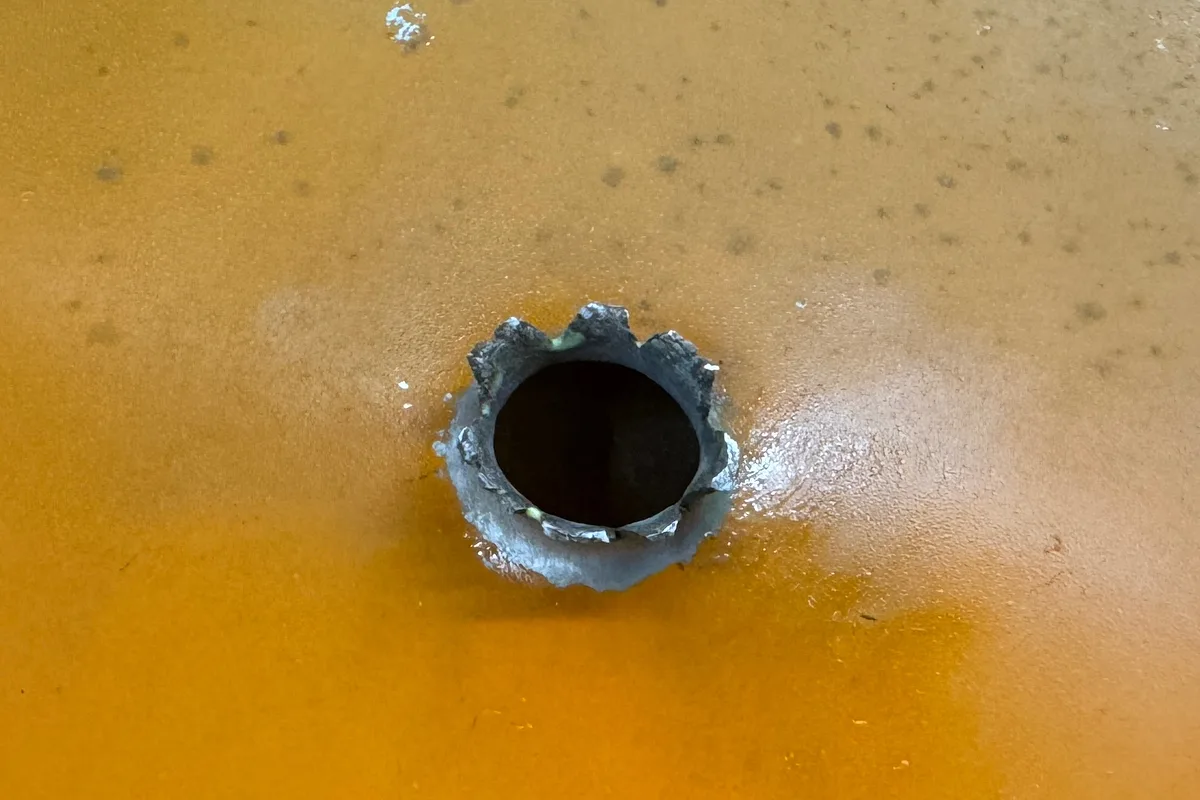
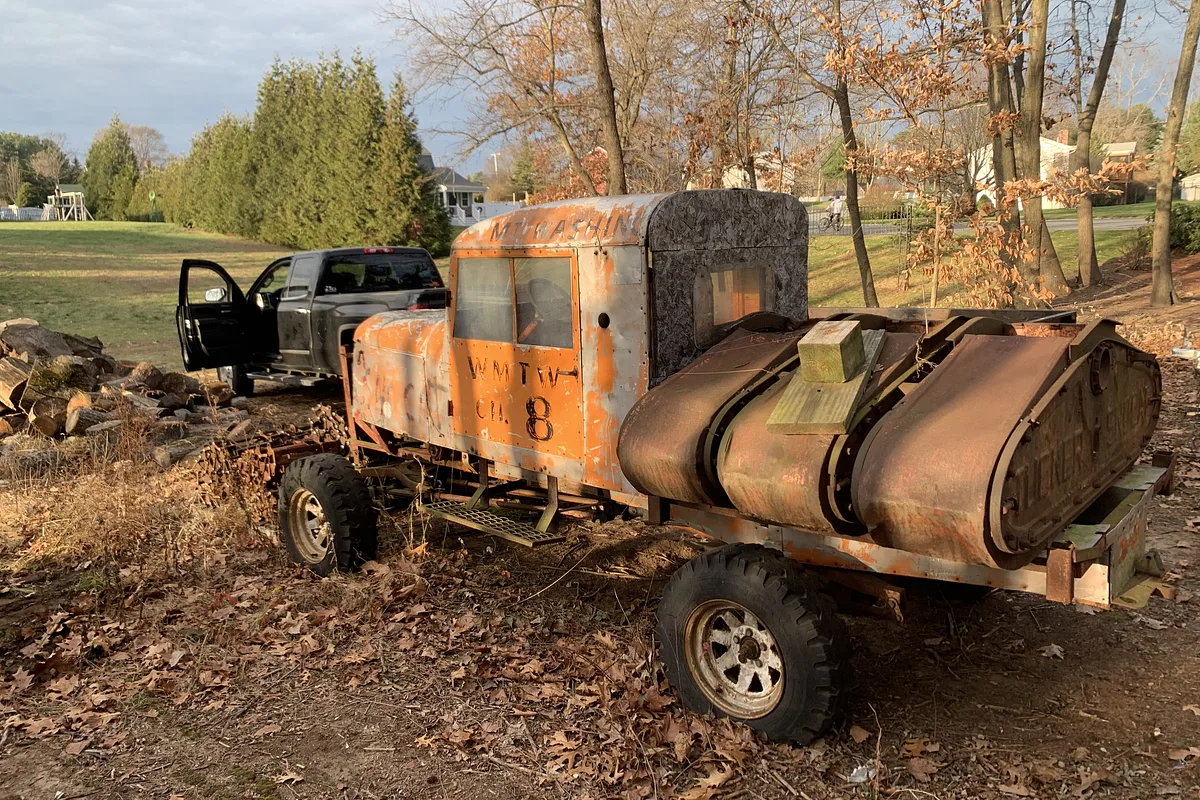
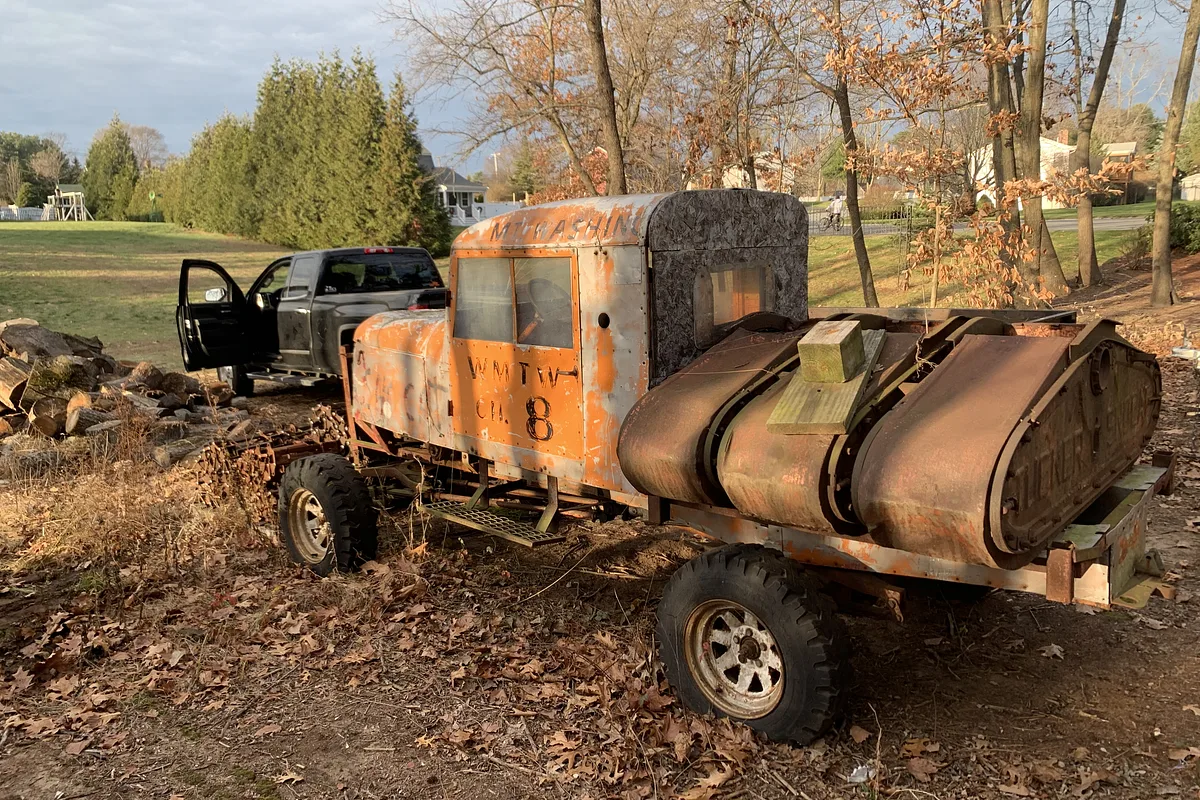
In 2015, I came across an old Tucker Sno-Cat sitting in a junkyard in Oxford, Maine. At first glance, it looked like just another worn-out machine that had reached the end of its working life. Years of hard use, rust, neglect, and even a bullet hole had left it looking beyond saving.
But something about it made me take a closer look.

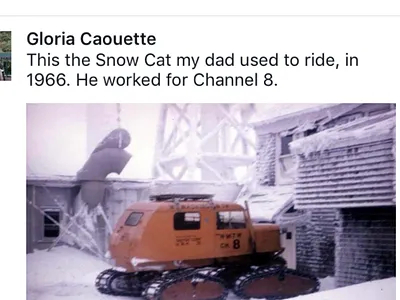
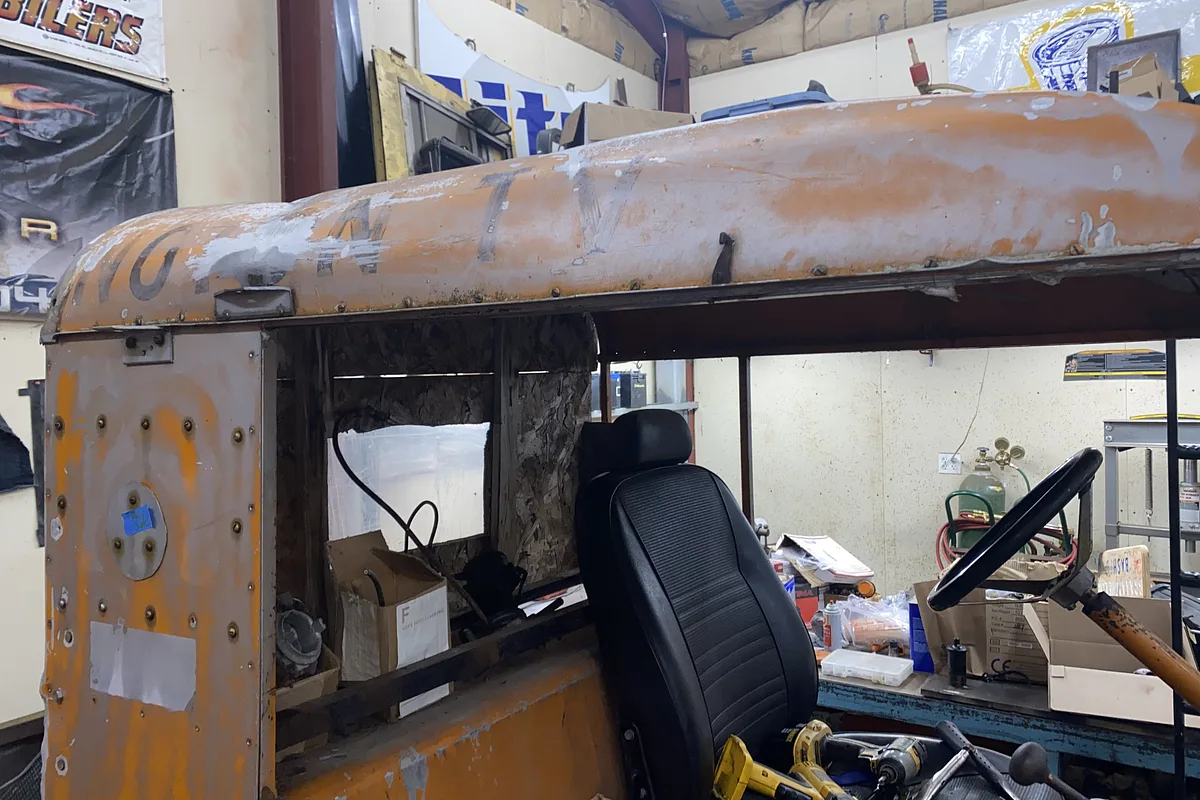
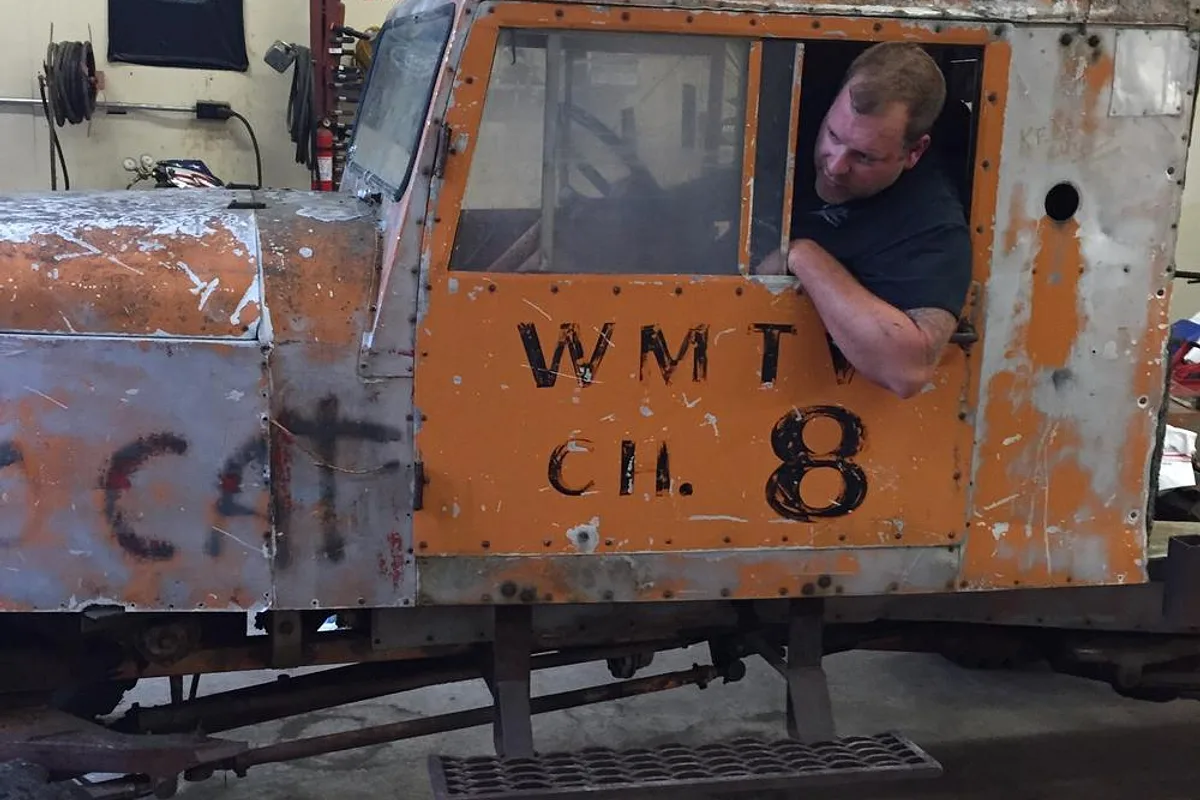
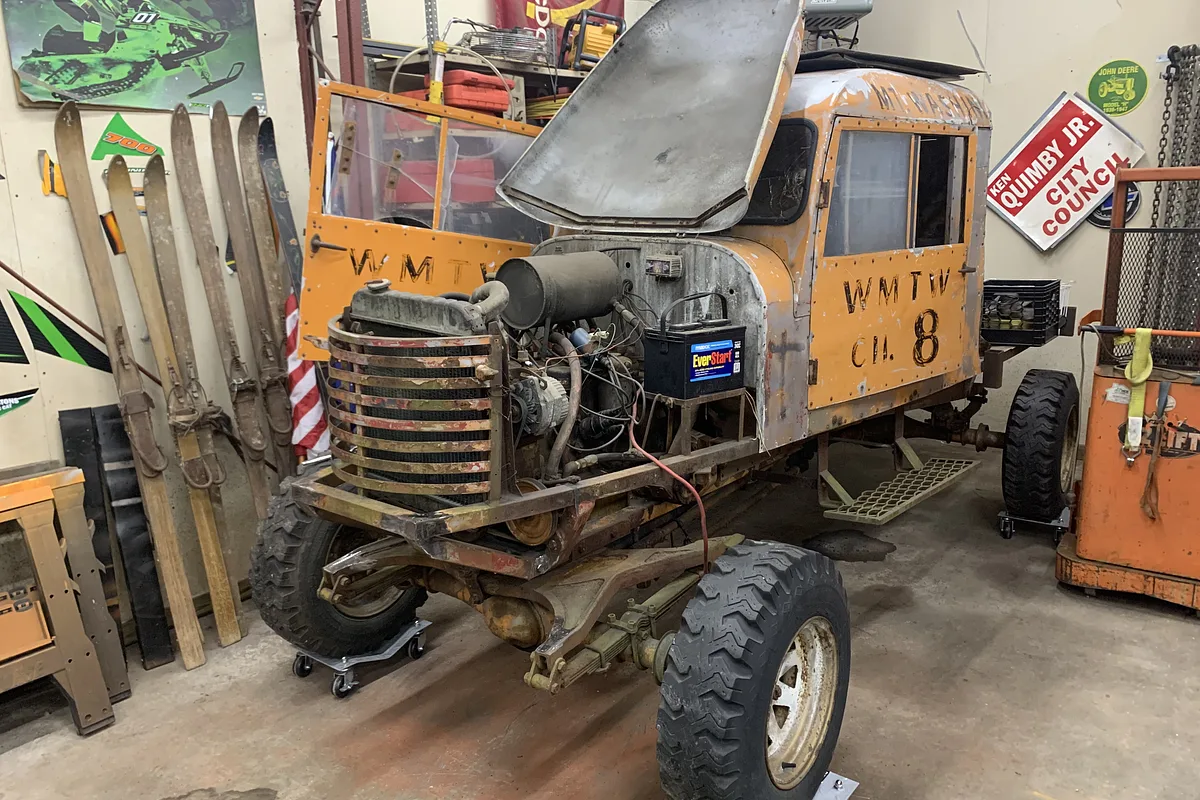
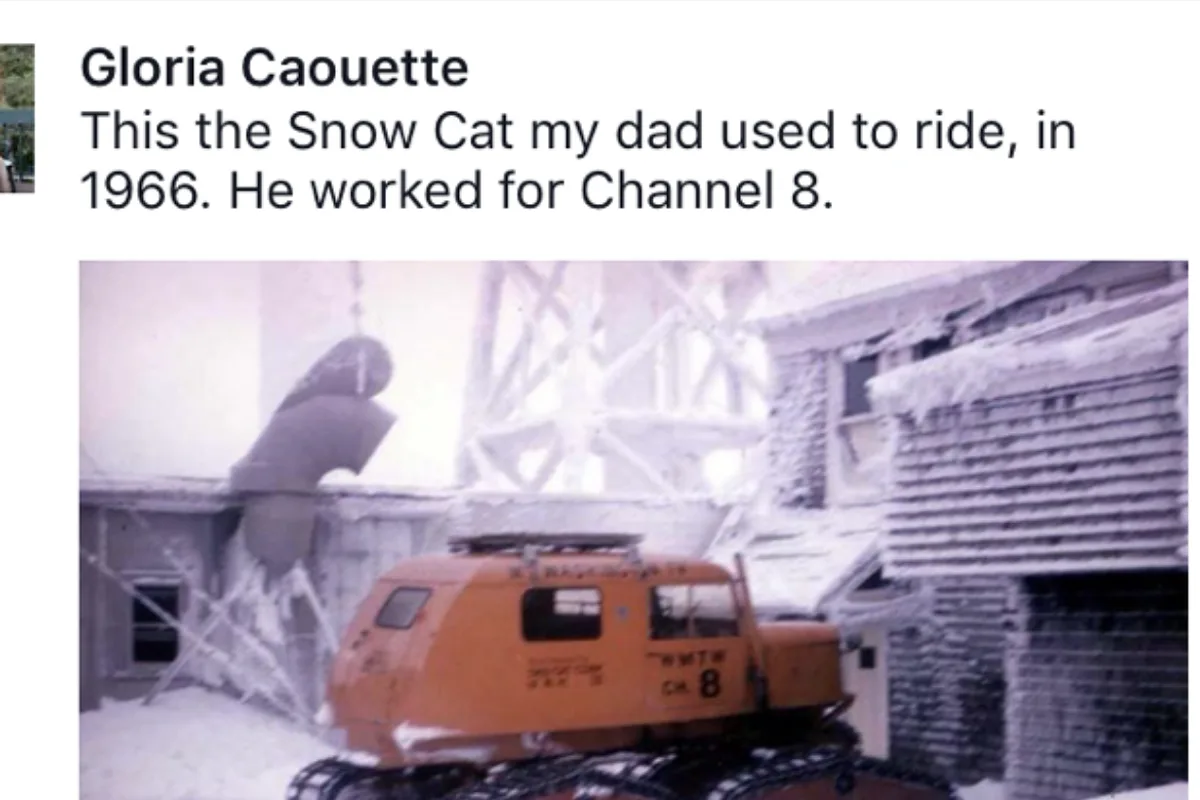
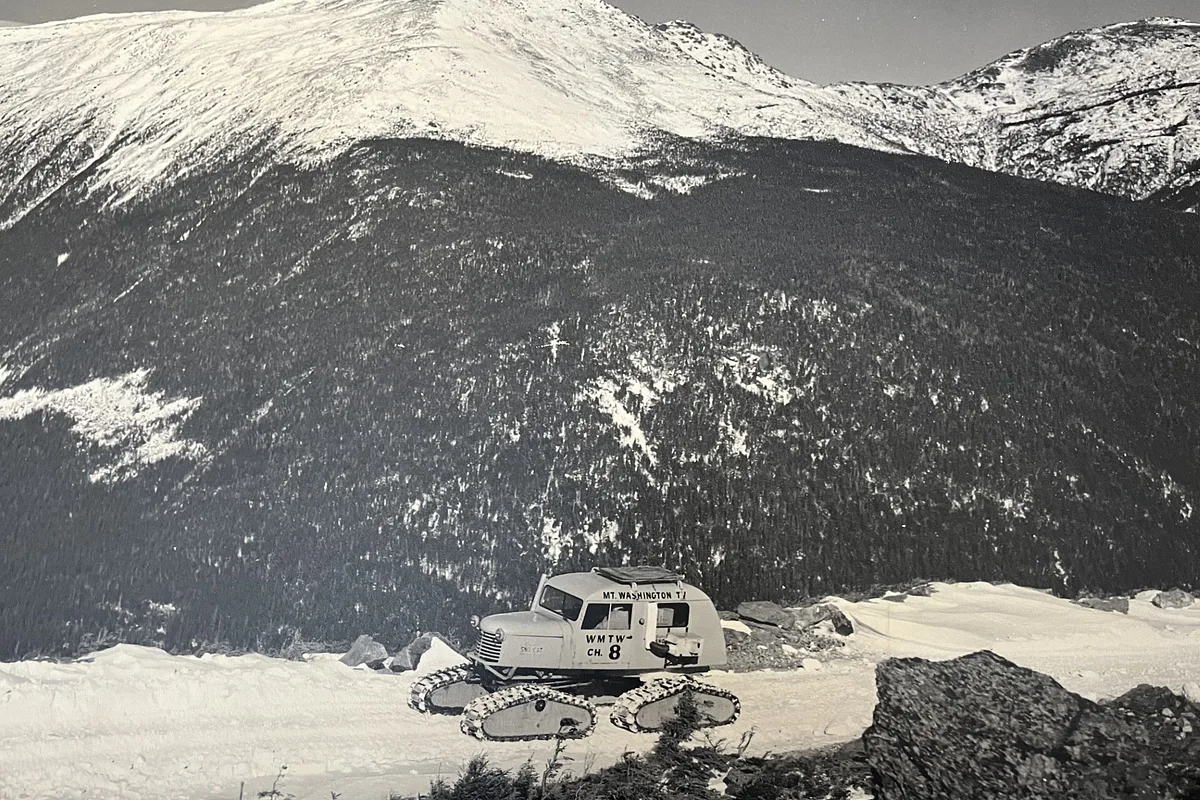
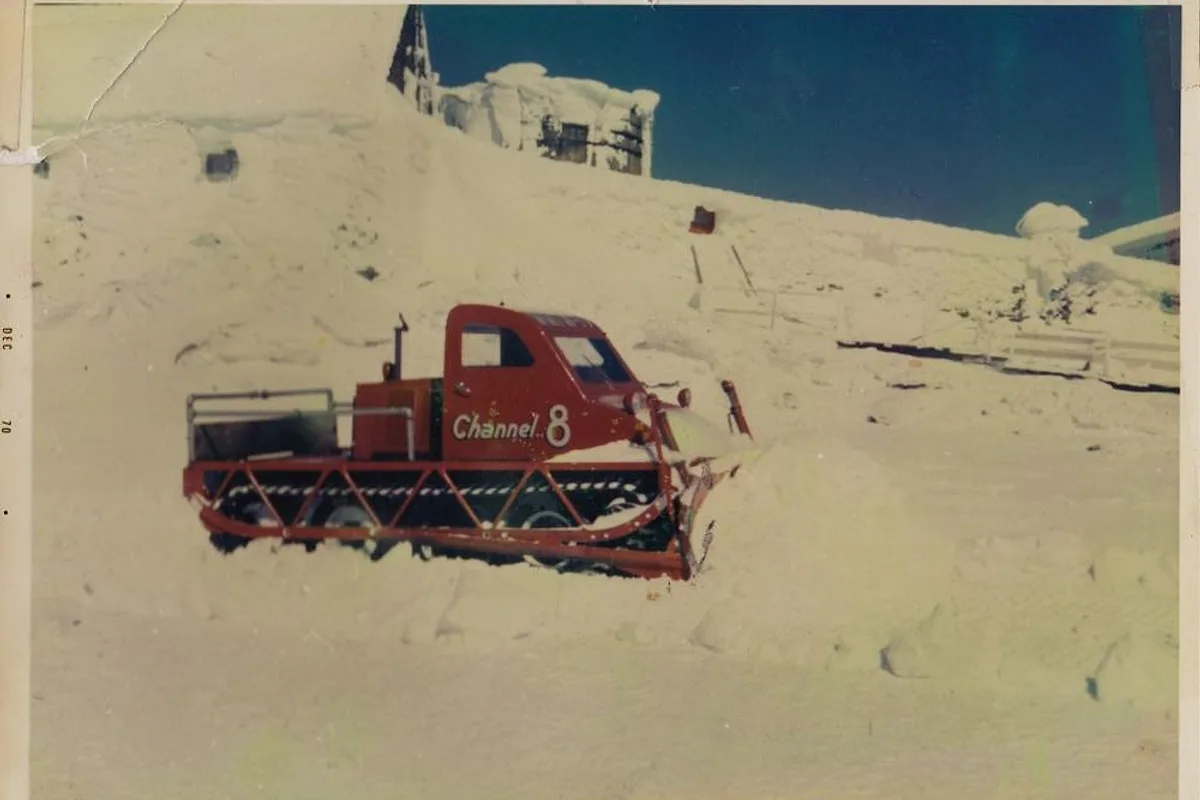
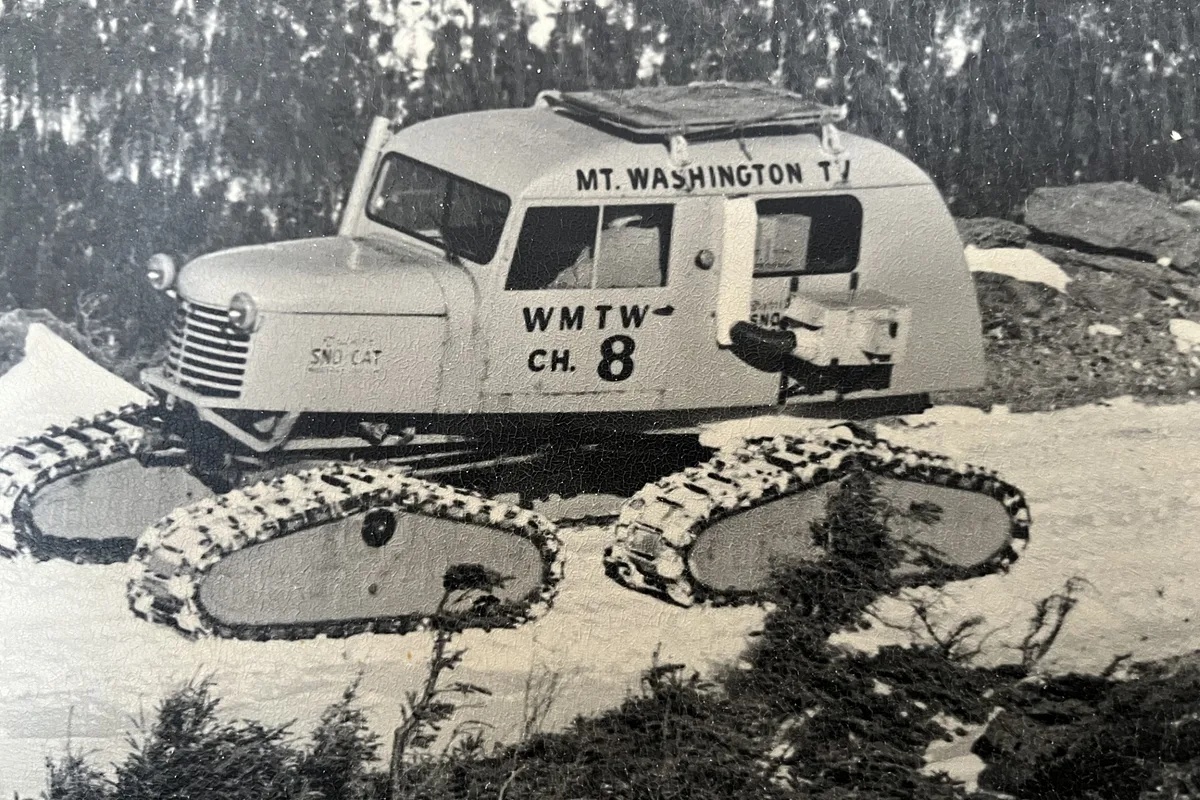
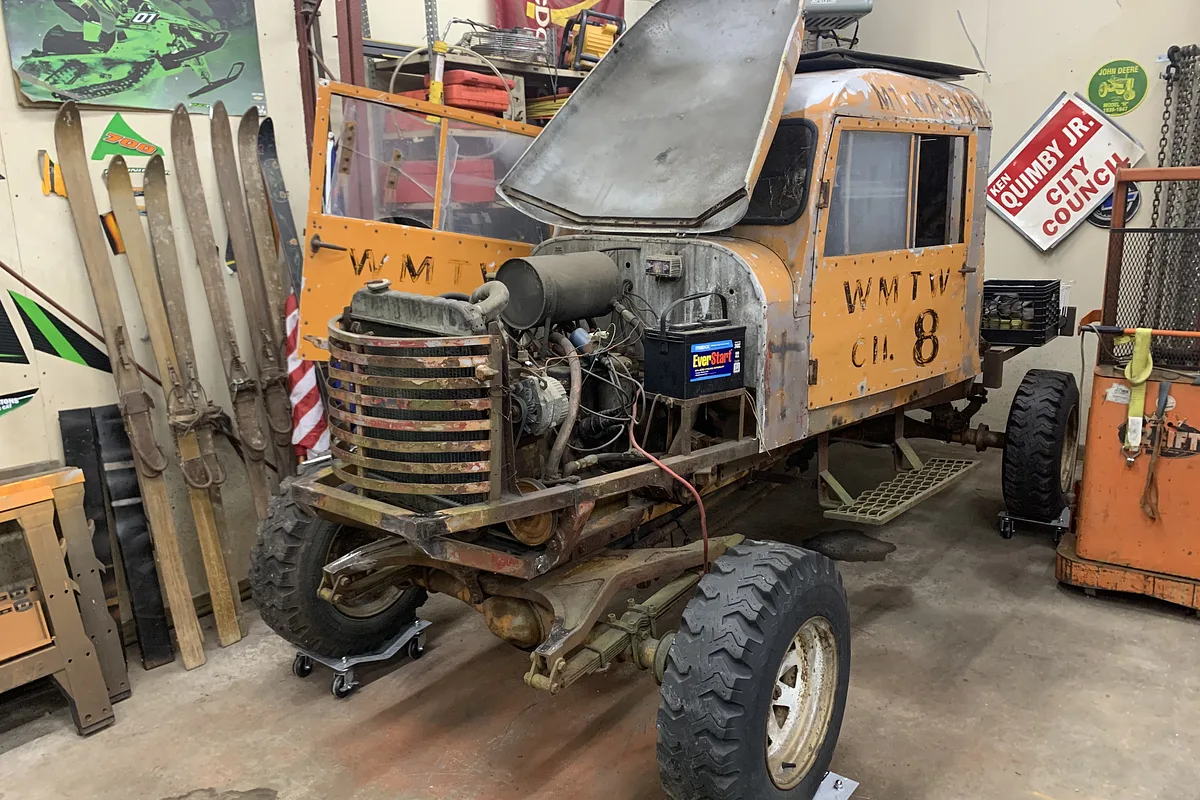
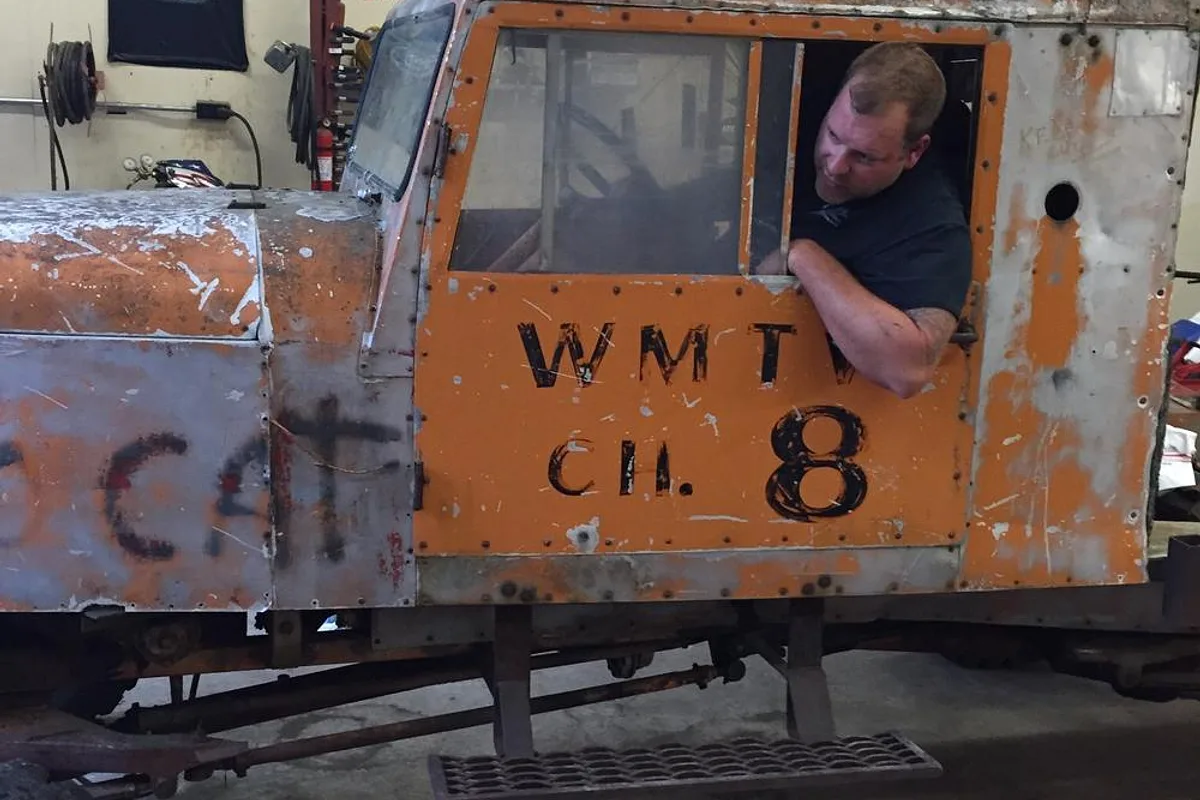
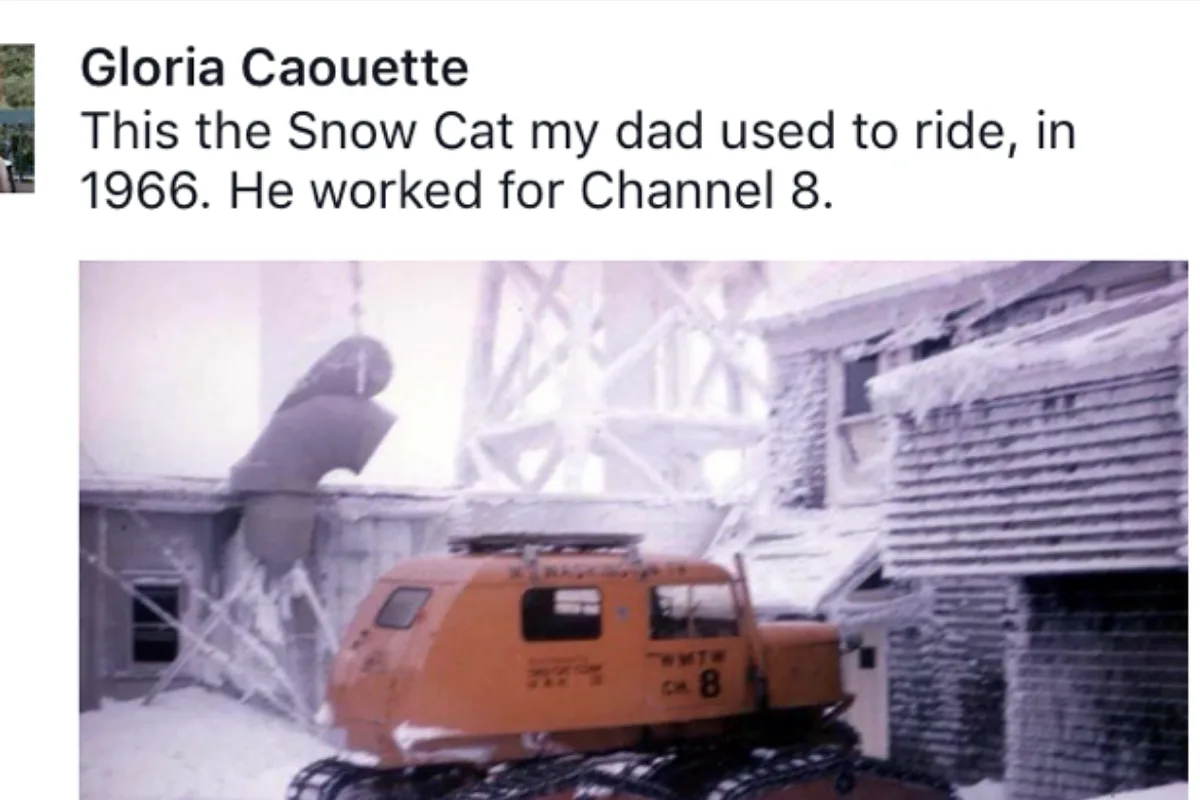
As I walked around the machine, I noticed faint lettering still visible beneath the weathered paint. It read "WMTW." That discovery changed everything.
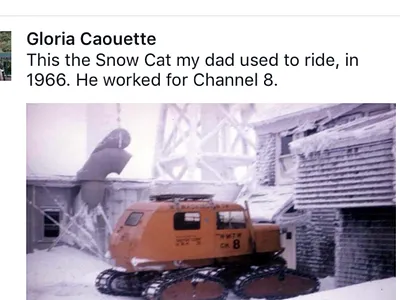
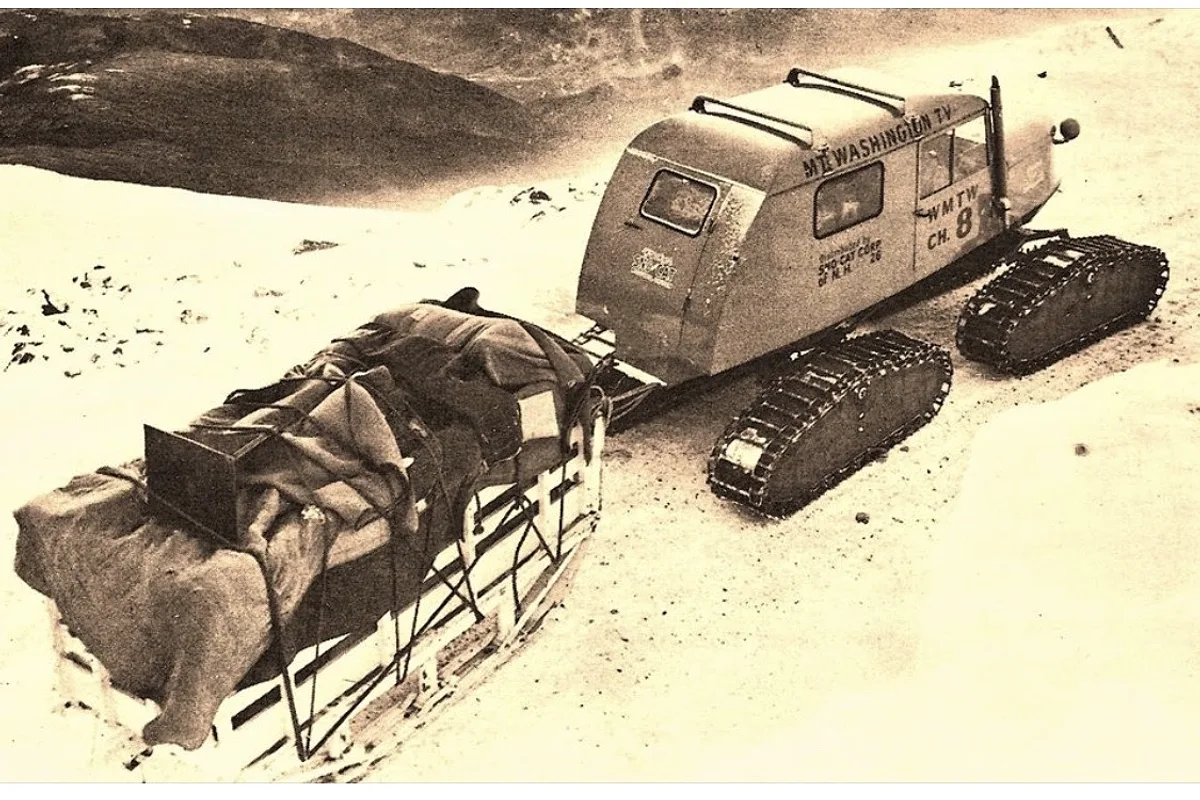
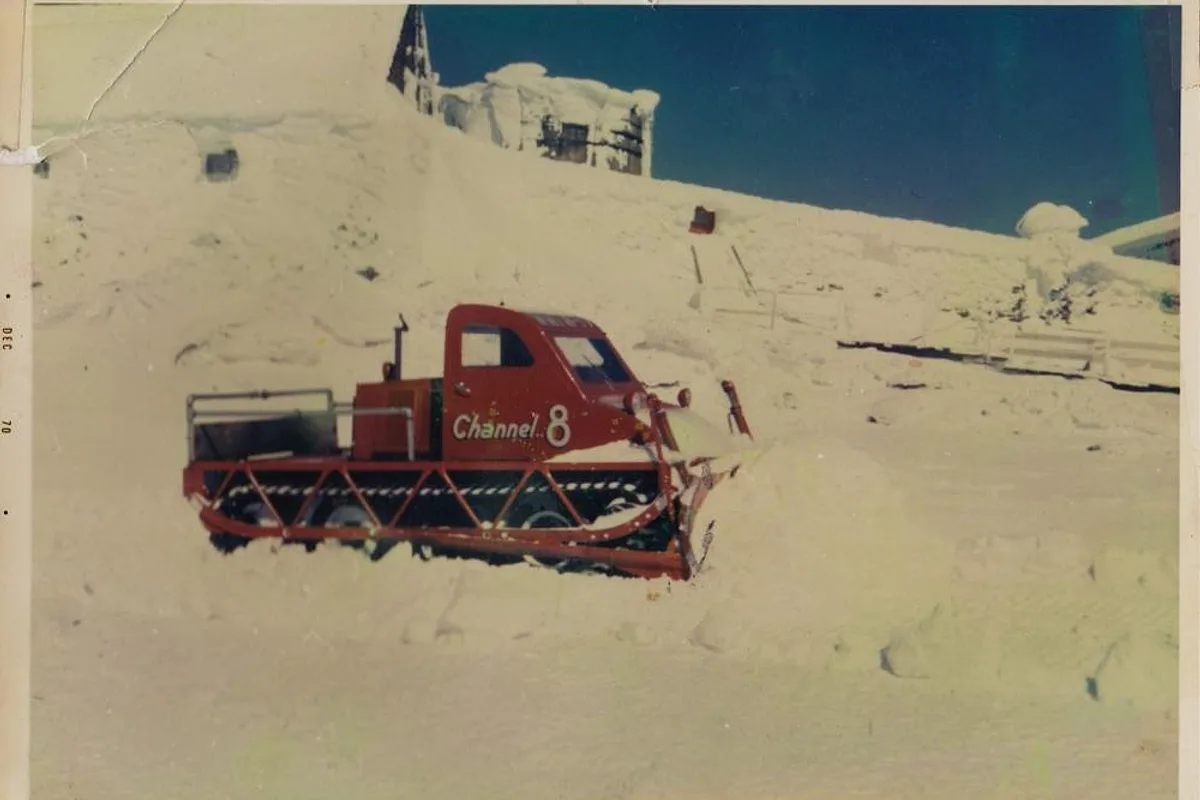
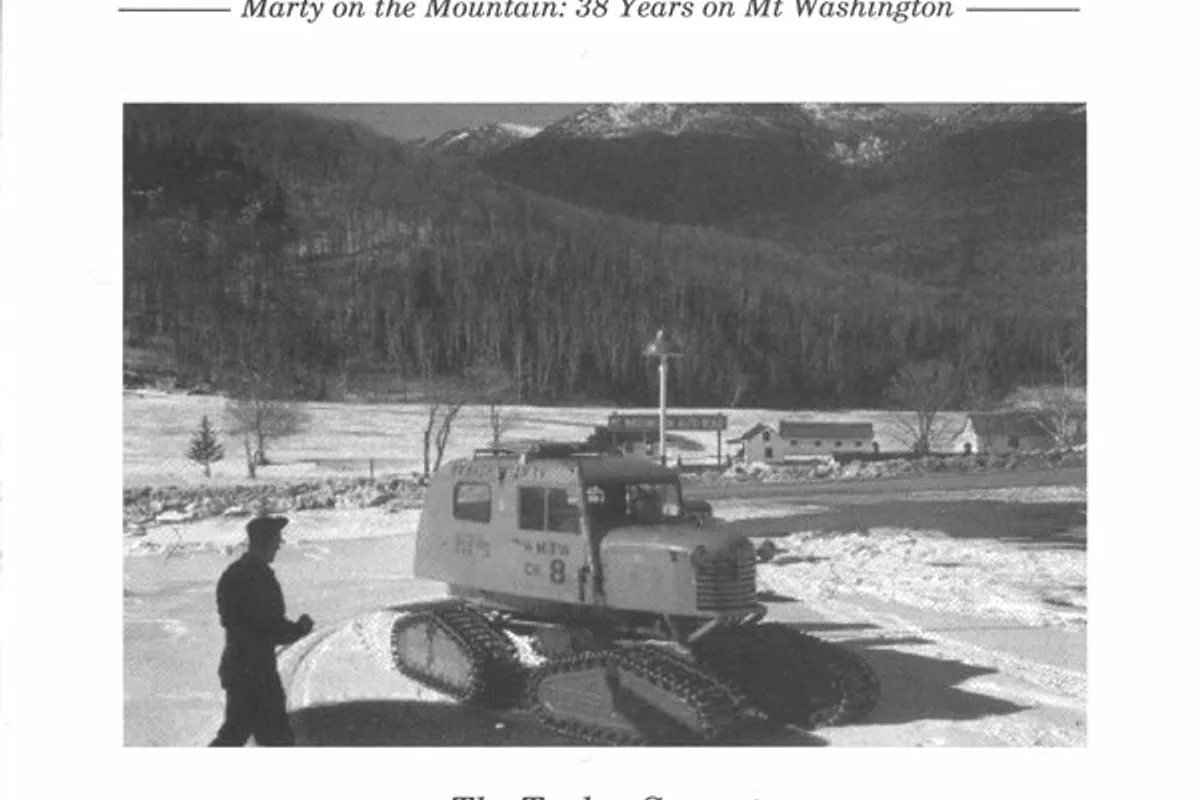
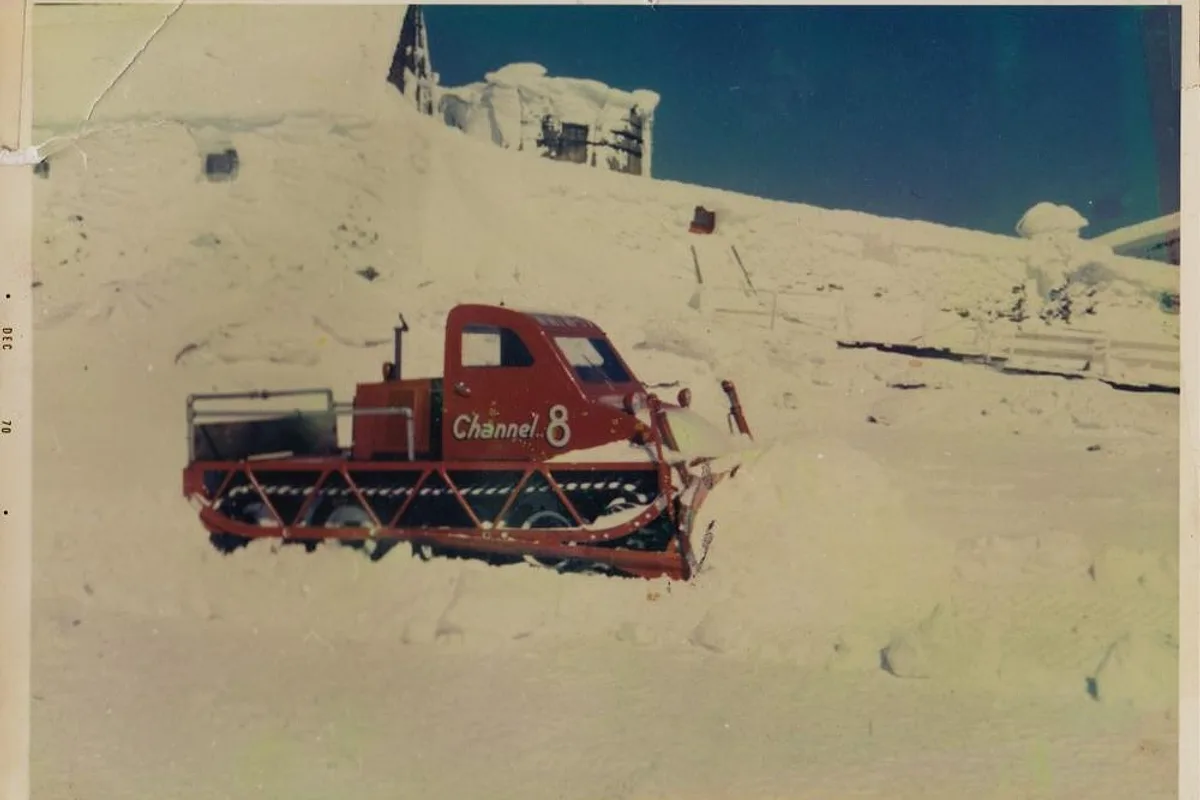
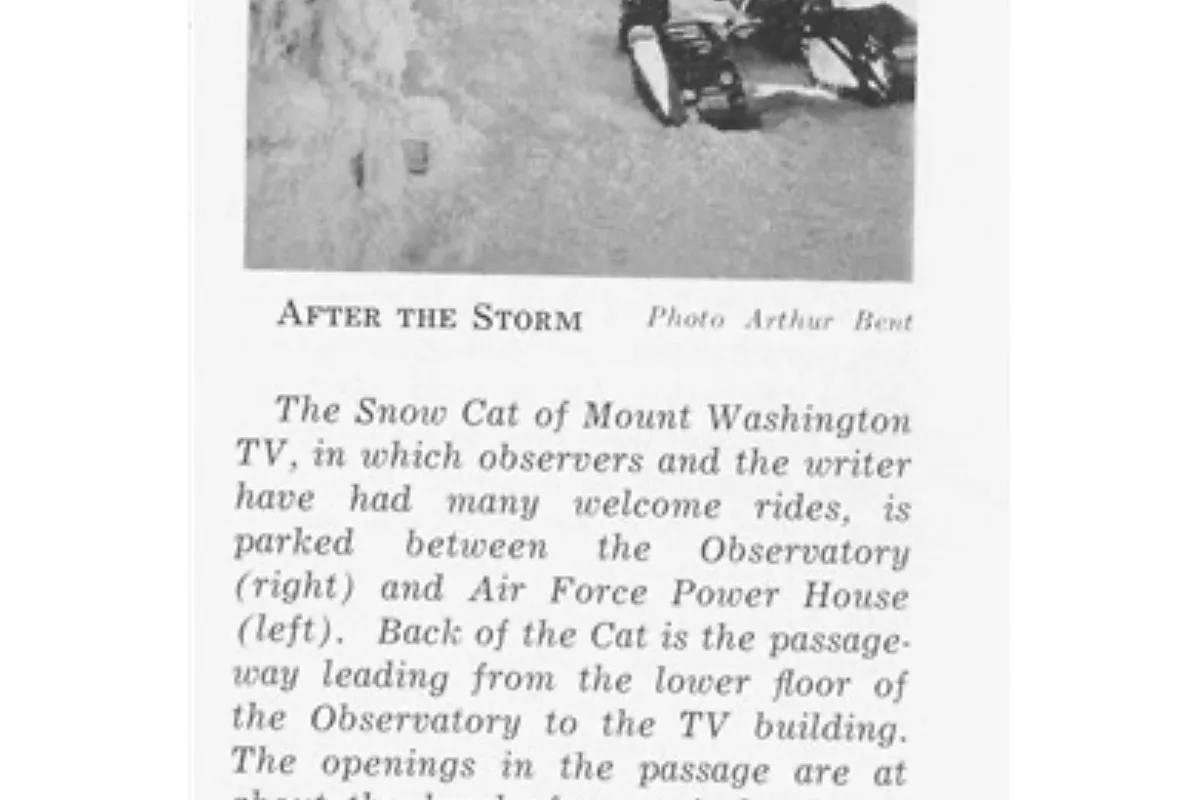
I soon learned this wasn't just another Tucker Sno-Cat. It was the historic 1953 Tucker 443 that once carried WMTW engineers, including the legendary Marty Engstrom, to the television transmitter atop Mount Washington.

At that moment, this stopped being a restoration project.
It became a mission to preserve an important piece of New England history.
Looking back now, it's hard to believe this journey began in a junkyard. But every great restoration starts with someone willing to see potential where others only see scrap.
Marty deserved another chance.


Coming Up Next

The rescue is complete, but the biggest discovery is still ahead. A few faded letters on Marty's side will uncover a remarkable connection to Mount Washington and a man whose legacy still lives on today.
Follow along as the story continues.

Milestone 9: Factory or Field Repair?

Coming Up Next

Was it built this way... or repaired this way?
As the restoration continues, Brian uncovers decades of modifications, unexpected repairs, and engineering mysteries that blur the line between Tucker's original craftsmanship and Marty's hard-working life. Every discovery raises a new question, and solving them becomes just as important as turning the next wrench.
The investigation continues...

Milestone 6 The First Wrench Turned

12 photos

The First Wrench Turned

Timeline: March 2021
Every restoration reaches the moment when planning ends and the real work begins.
For Marty, that day finally arrived.
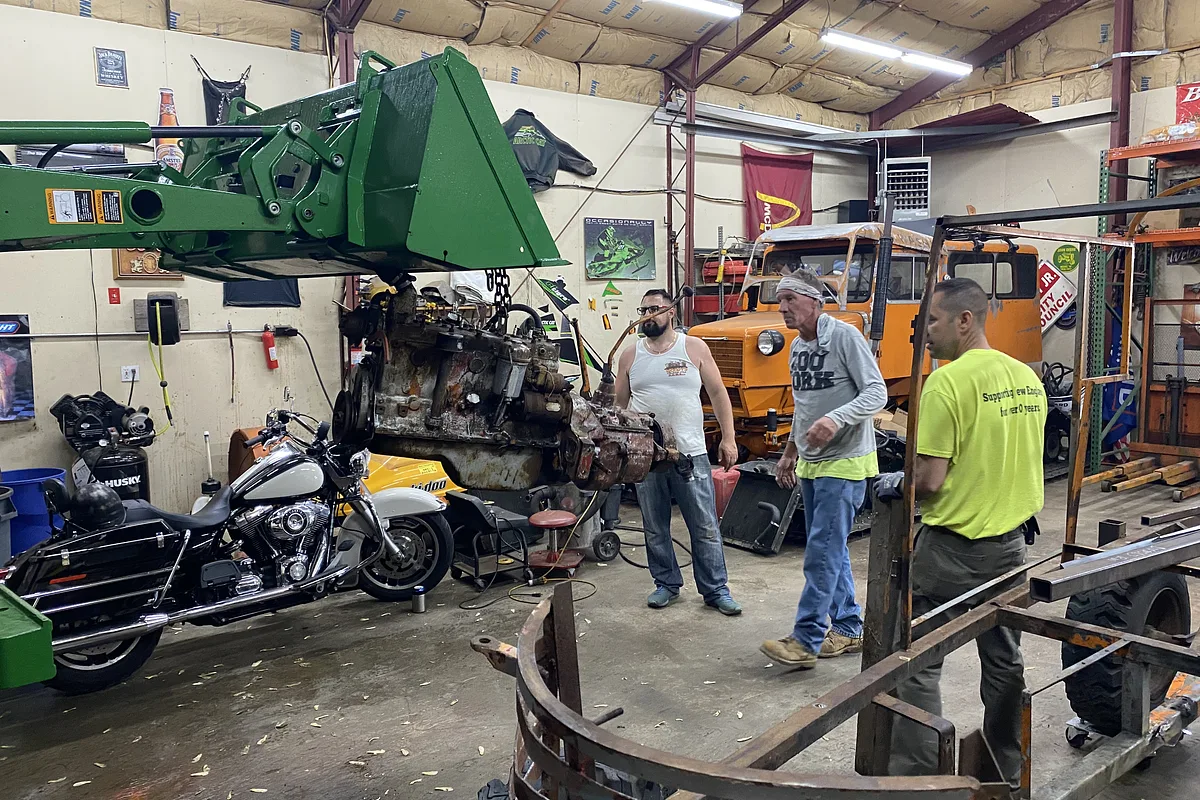
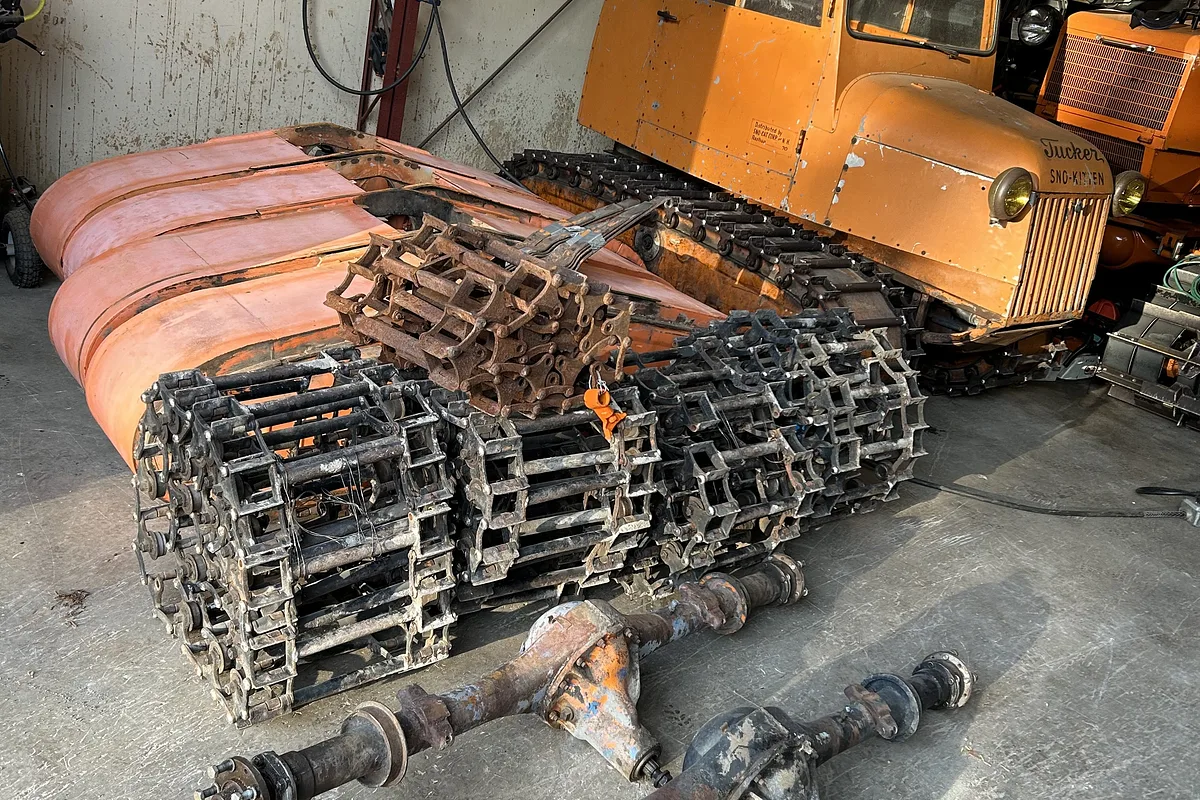
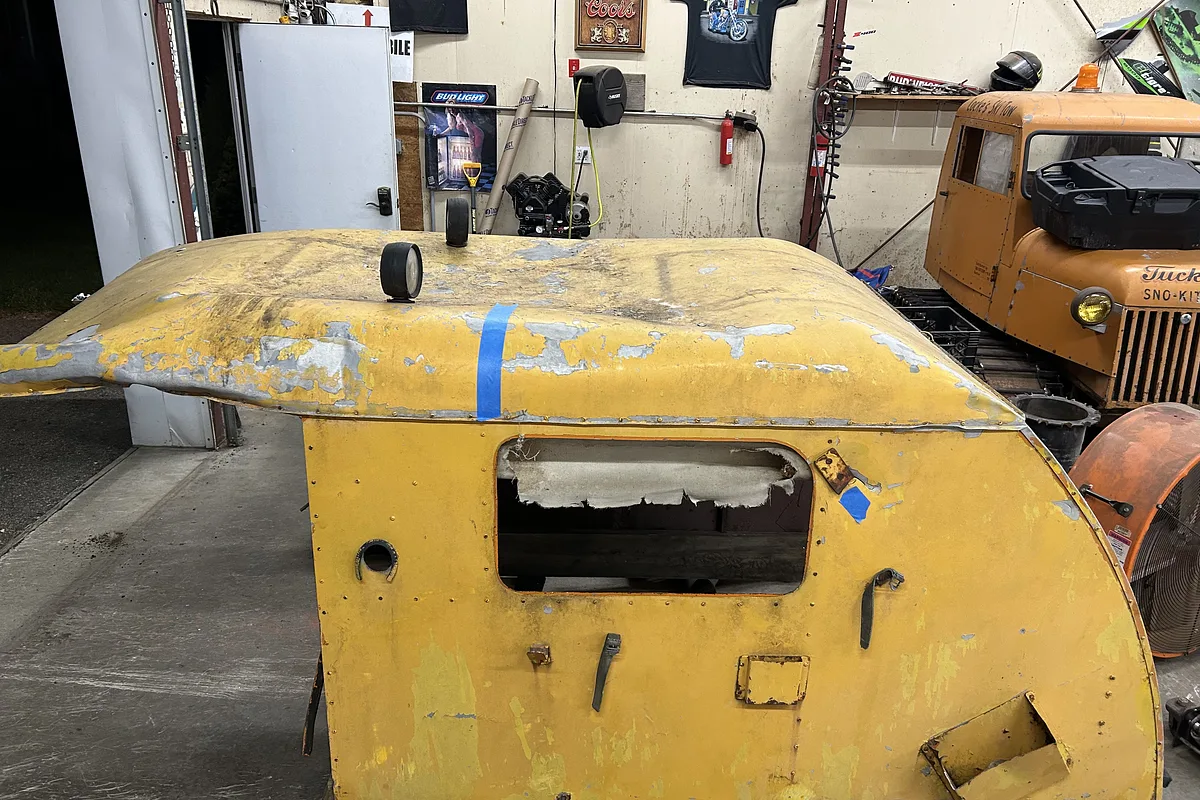
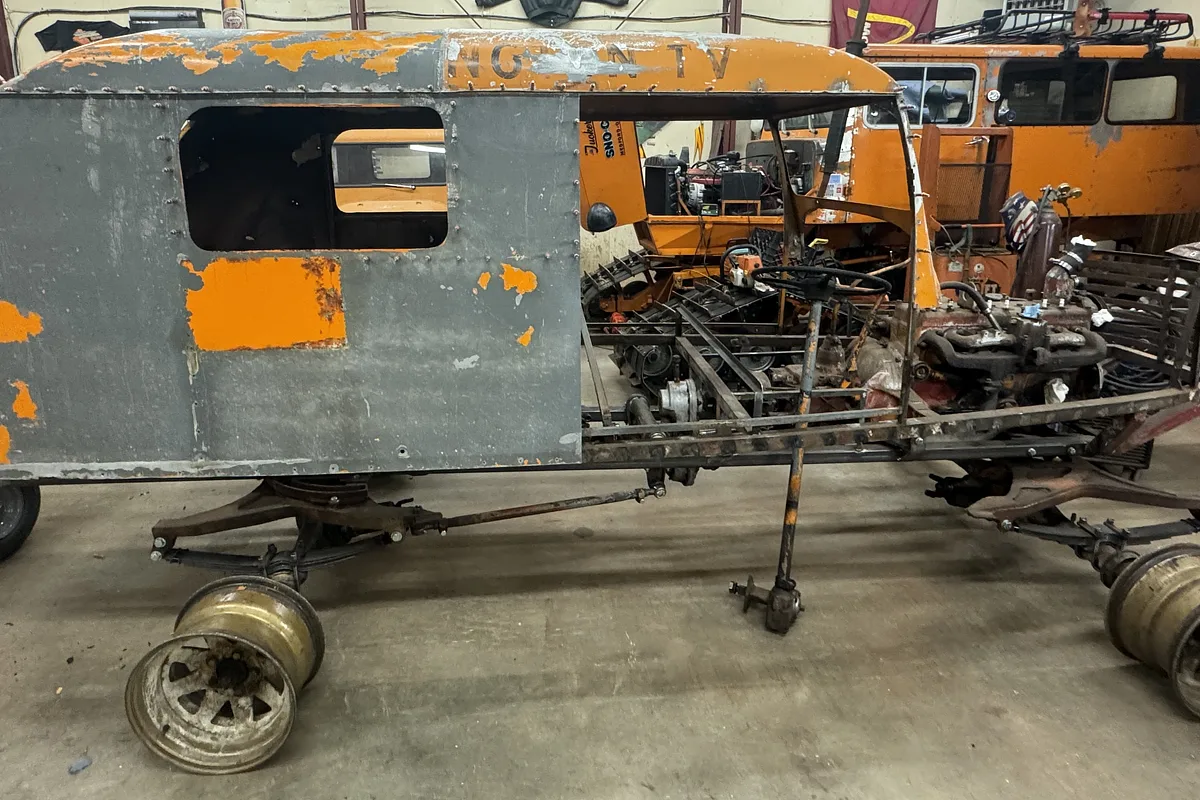
With hundreds of photographs taken and countless hours spent researching the machine's history, it was time to begin the teardown. Every bolt removed had the potential to answer one question while raising two more. My goal wasn't simply to disassemble Marty—it was to understand how she had survived decades of service and preserve as much of her original character as possible.
As panels, brackets, and components came off, evidence of Marty's working life began to emerge. Factory engineering blended with field repairs, thoughtful modifications, and decades of hard use. Every layer told another part of her story.
One thing became clear almost immediately.
This wasn't going to be a restoration where new parts simply replaced old ones.
Every component would have to earn its place, either by being carefully restored, accurately reproduced, or thoughtfully rebuilt while staying true to Tucker's original design.
The restoration had officially begun.


This milestone ends with:
Sometimes the hardest part of preserving history is knowing where to begin. With the first wrench turned, Marty's next chapter was officially underway.


Coming Up Next
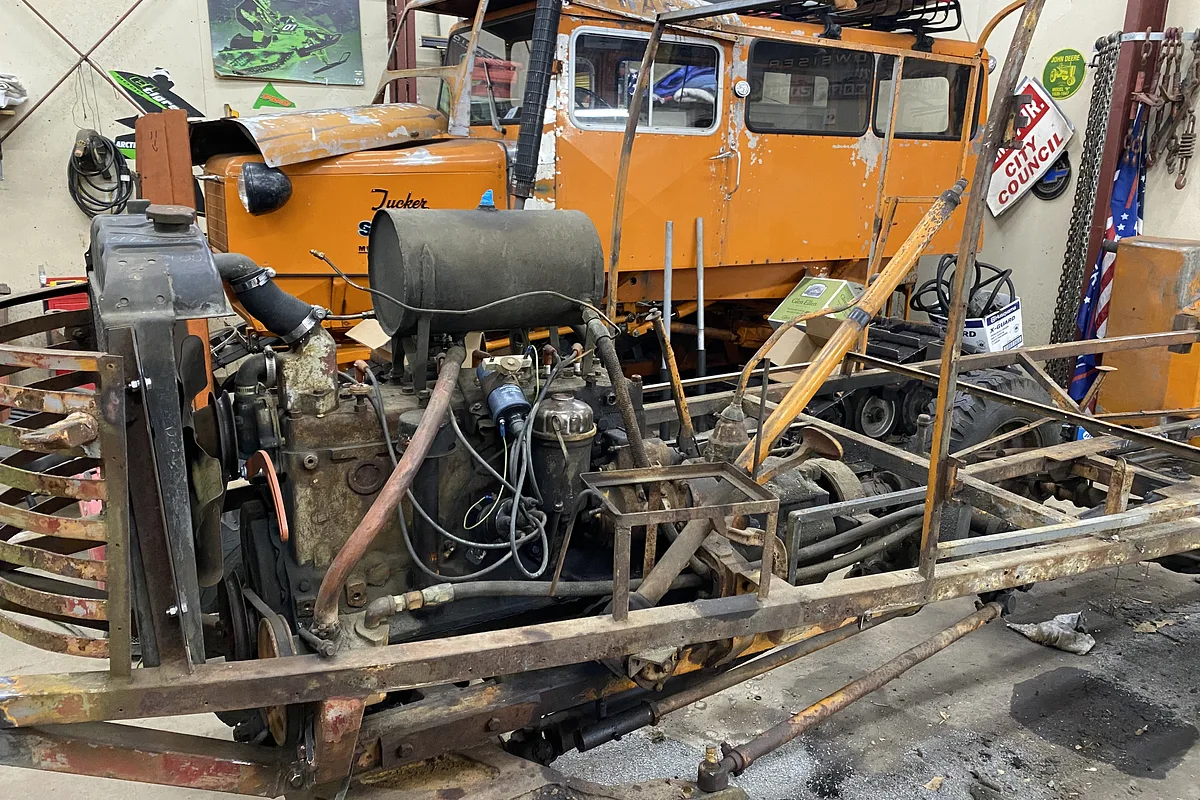
With the first parts removed, unexpected discoveries begin to surface. Every bolt, bracket, and component reveals another chapter of Marty's incredible working life.

Milestone 1 A New Beginning

14 photos · 2 docs ▶ video
Build clip

A New Beginning

Timeline: 2015
Bringing Marty home was the easy part.
The real journey was just beginning.
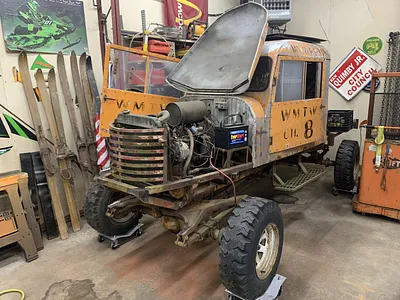
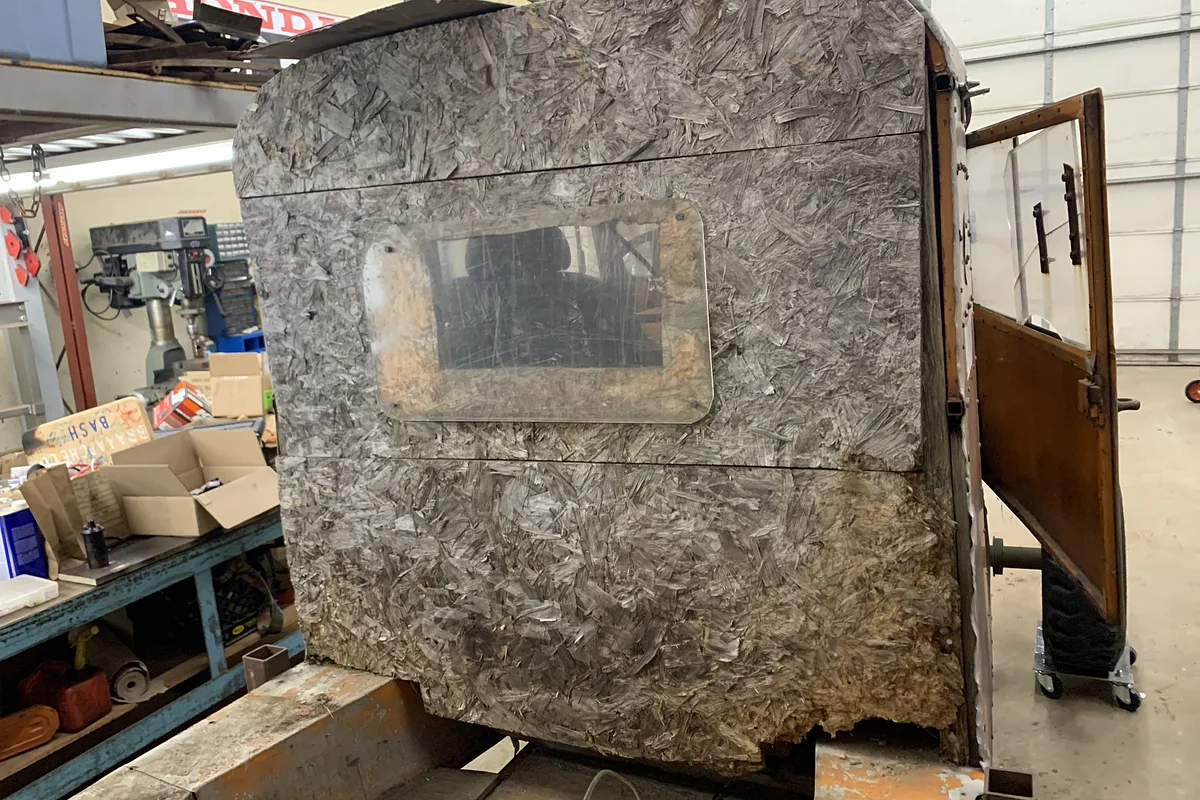
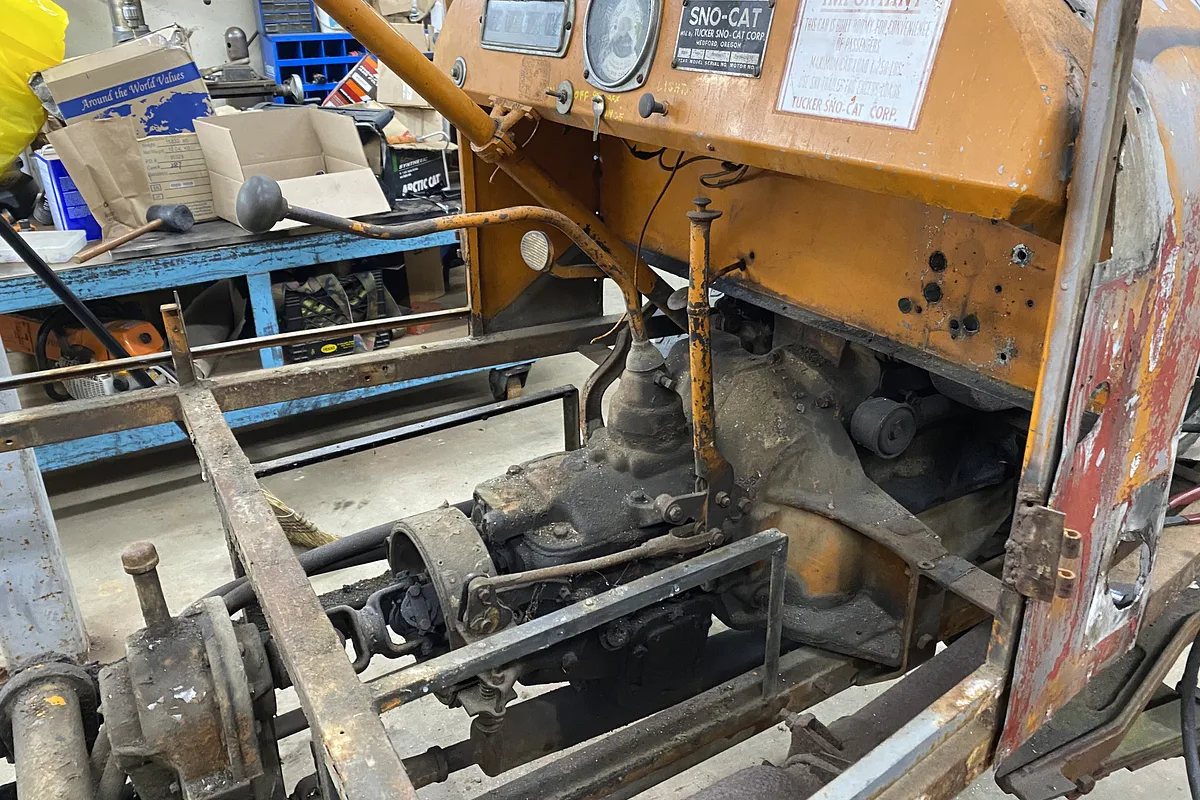
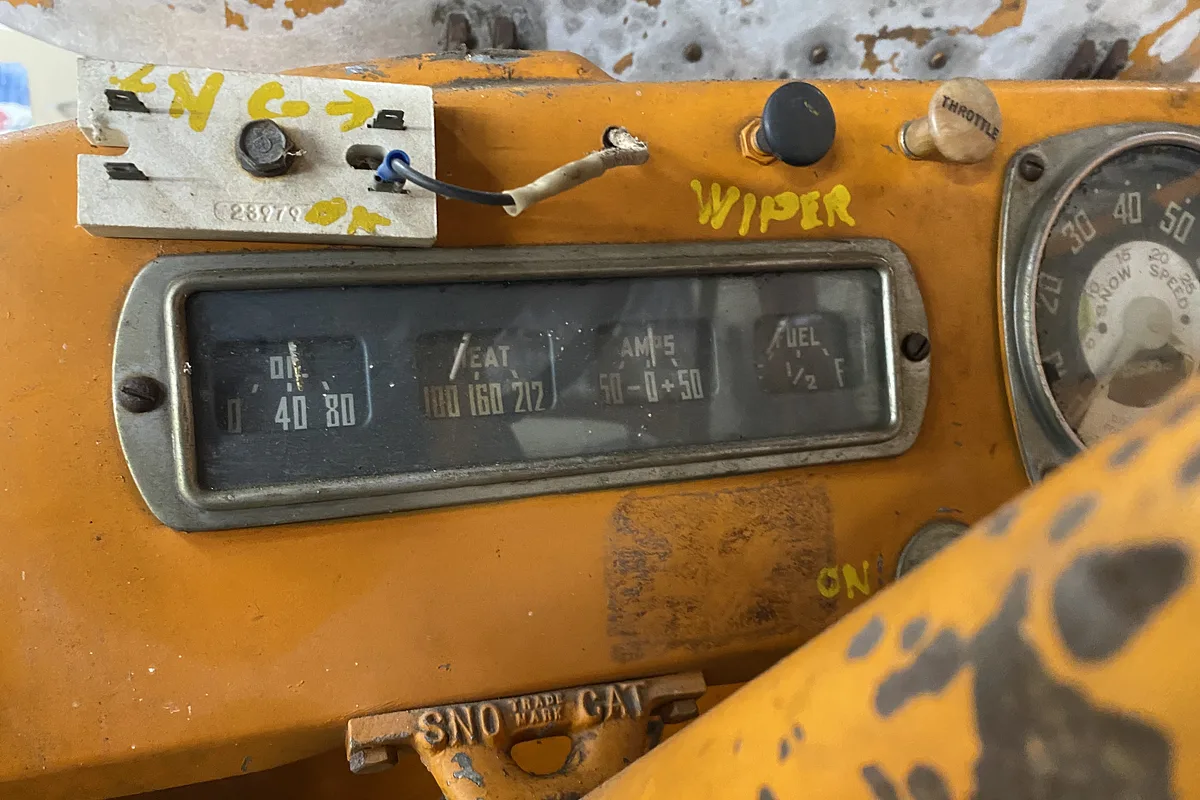
As the Tucker rolled into my shop, I took my first good look at what lay ahead. Years of hard work, exposure to the elements, and countless field repairs had left their mark. Rust, worn components, missing parts, and decades of modifications told the story of a machine that had worked for a living.
But underneath all of that, Marty was still there.
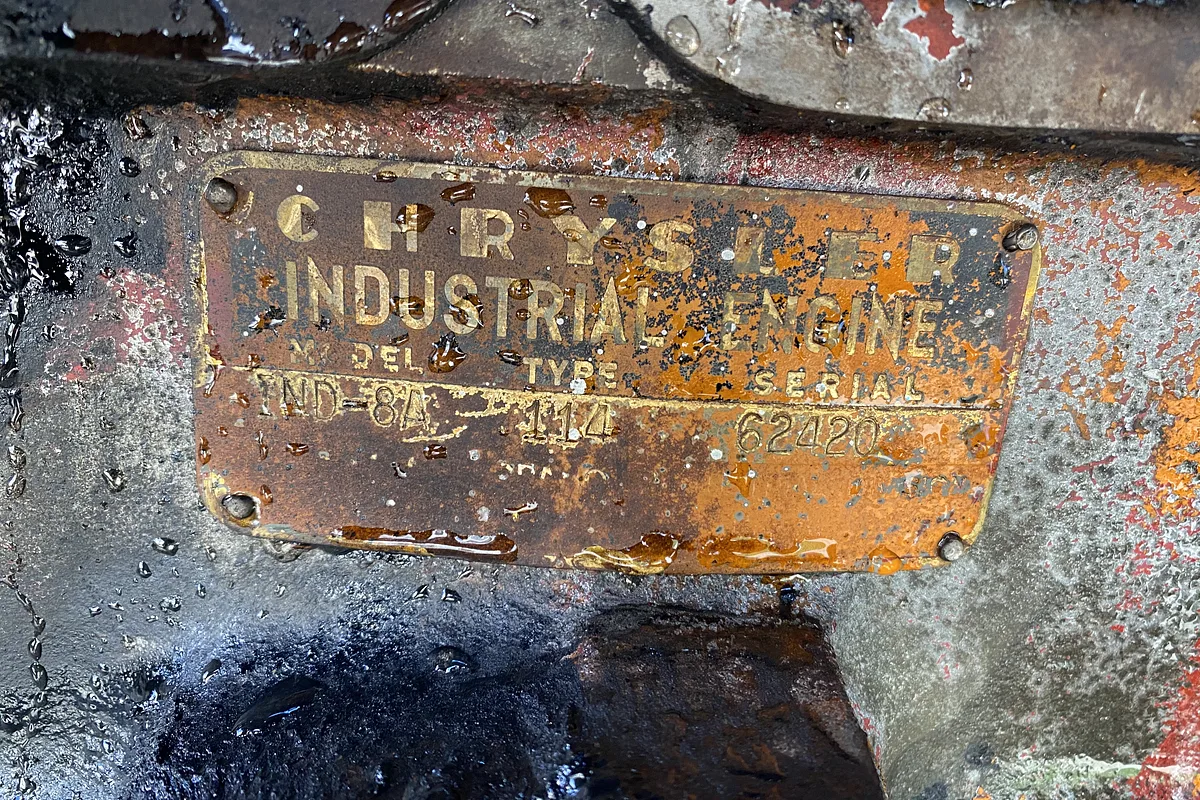
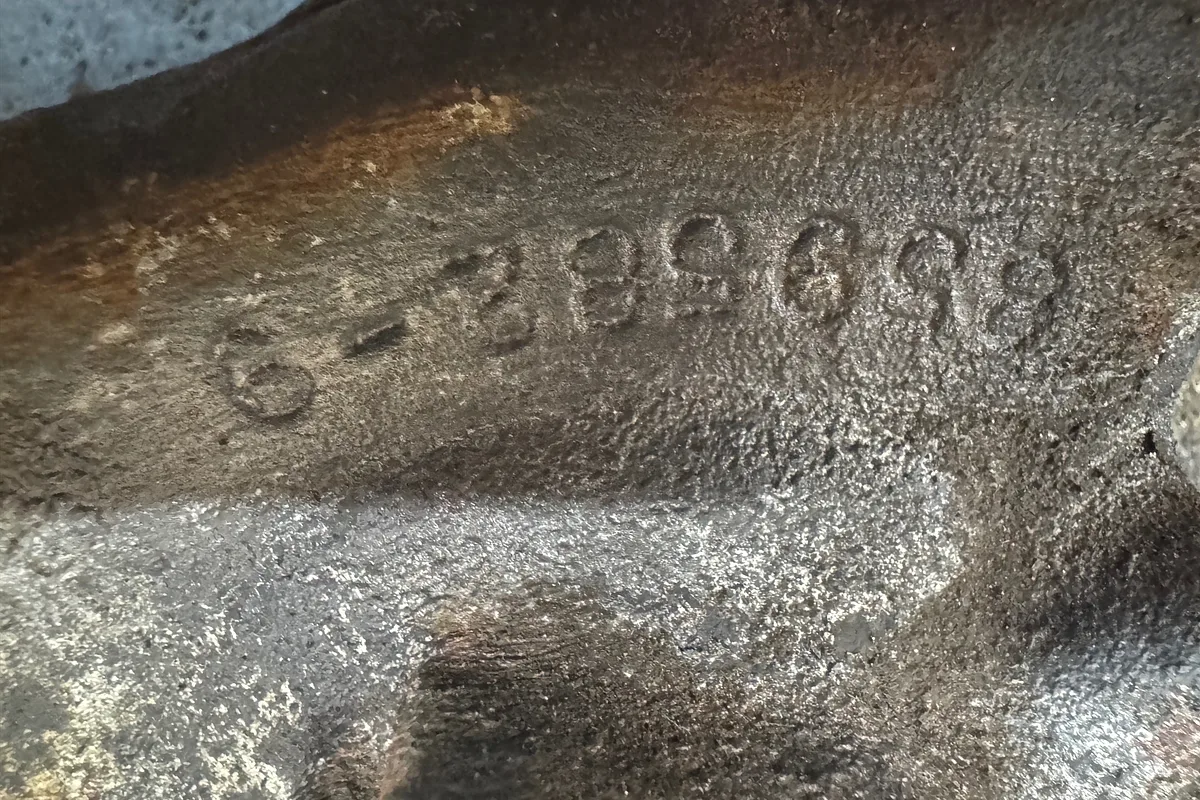
Before turning the first wrench, I spent time documenting every detail. I photographed the machine from every angle, recorded serial numbers, studied original construction, and began researching its history. I knew that once disassembly began, many of those original clues would disappear forever.
This wasn't going to be a quick restoration.
My goal wasn't simply to make Marty look new again. It was to understand how she had been built, preserve as much of her original character as possible, and ensure her remarkable history would live on for future generations.
Every restoration starts with a plan.
For Marty, that plan began with learning everything I could before taking anything apart.


Coming Up Next
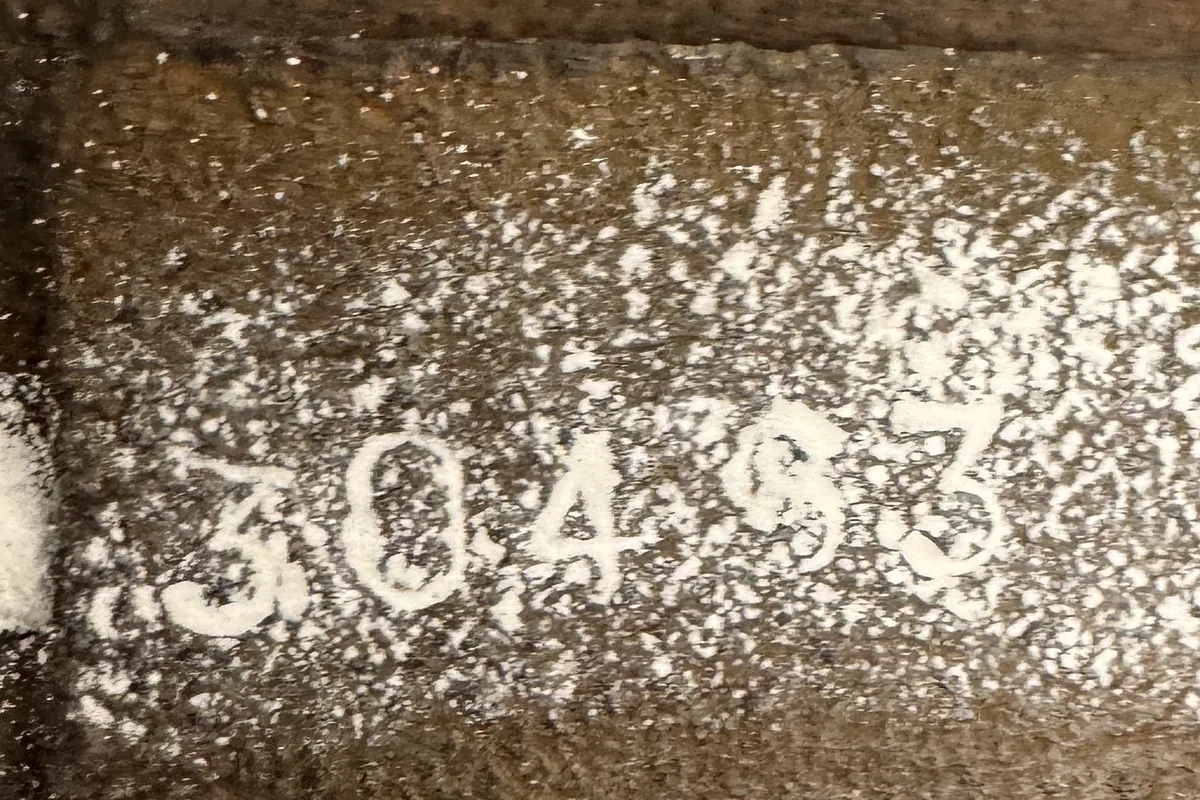
One faded clue hidden beneath years of dirt and paint changes everything. Marty isn't just an old Tucker Sno-Cat... she's about to reveal a remarkable connection to Mount Washington history.

Meet the Steward

7 photos

Meet the Steward

Timeline: A Lifelong Passion
Long before I found Marty, I was fascinated by Tucker Sno-Cats.
Growing up in New Hampshire, I spent countless winters snowmobiling with my father. Every time we crossed paths with a Tucker grooming trails through the mountains, I couldn't help but stop and admire it. There was something about their unique design, their capability, and the jobs they performed that stuck with me.
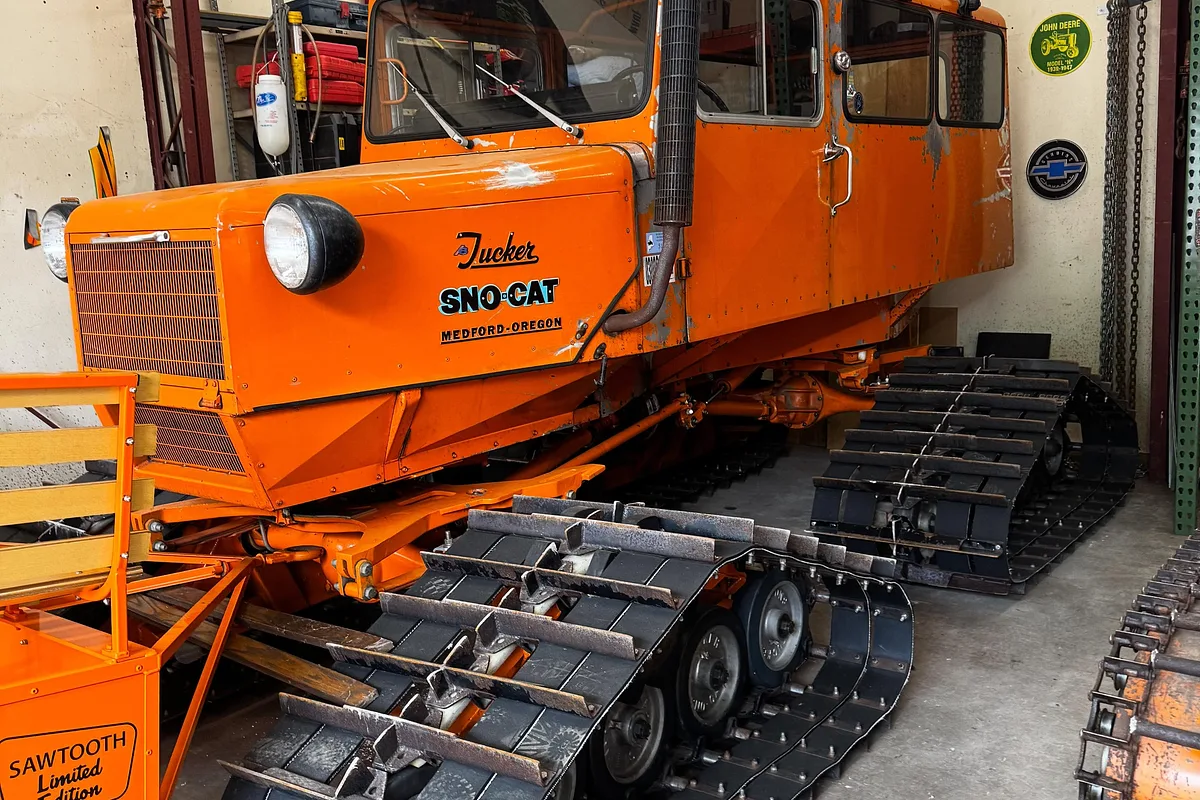
That fascination eventually led me to purchase my first Tucker Sno-Cat, a 1968 Model 442A. What started as restoring one machine quickly became a passion for researching their history, preserving original documentation, and connecting with the people who owned, operated, and depended on them.
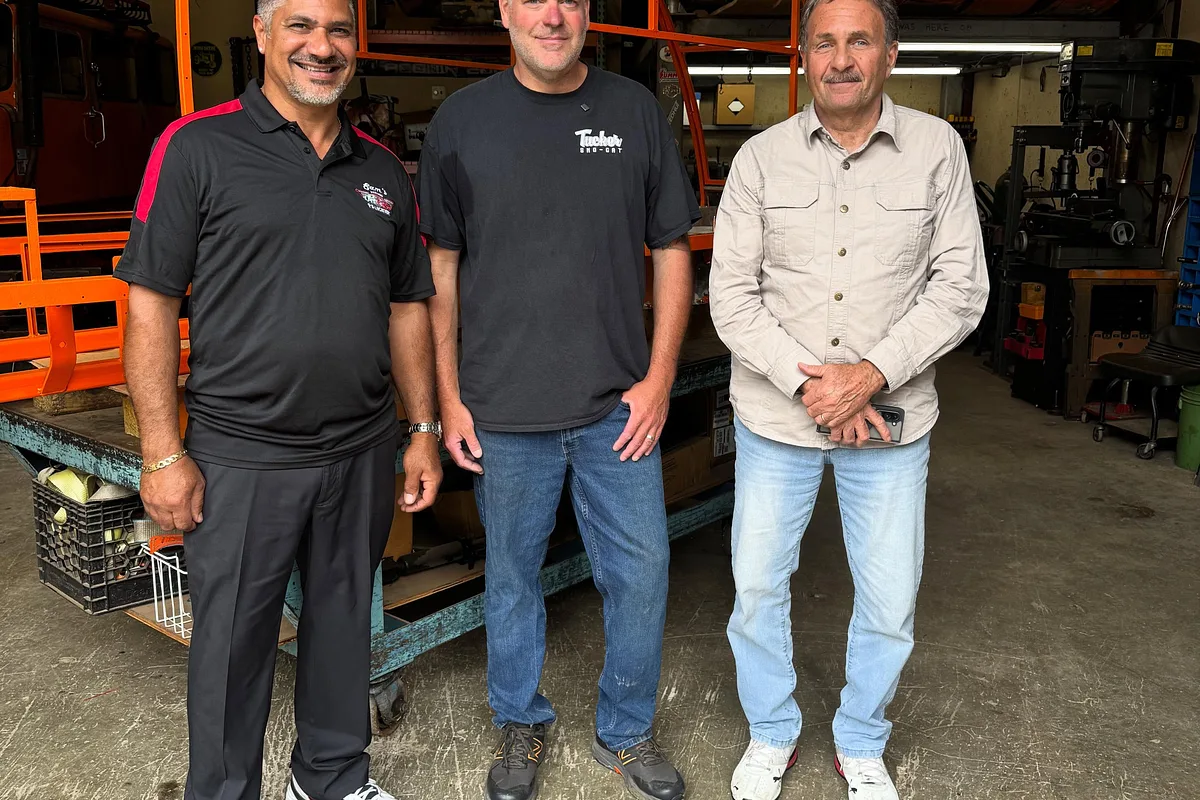
Along the way, I met incredible people like Jinn and many other members of the Tucker community, whose knowledge and generosity helped shape both my restorations and my understanding of these remarkable machines.
Today, that passion has grown into the East Coast Preserve, a personal mission dedicated to preserving the history of Tucker Sno-Cats and the people connected to them. Every machine has a story worth saving, and every restoration is an opportunity to preserve another piece of history.
When I found Marty, I knew she wasn't just another project.
She had finally found her next steward.


Coming Up Next
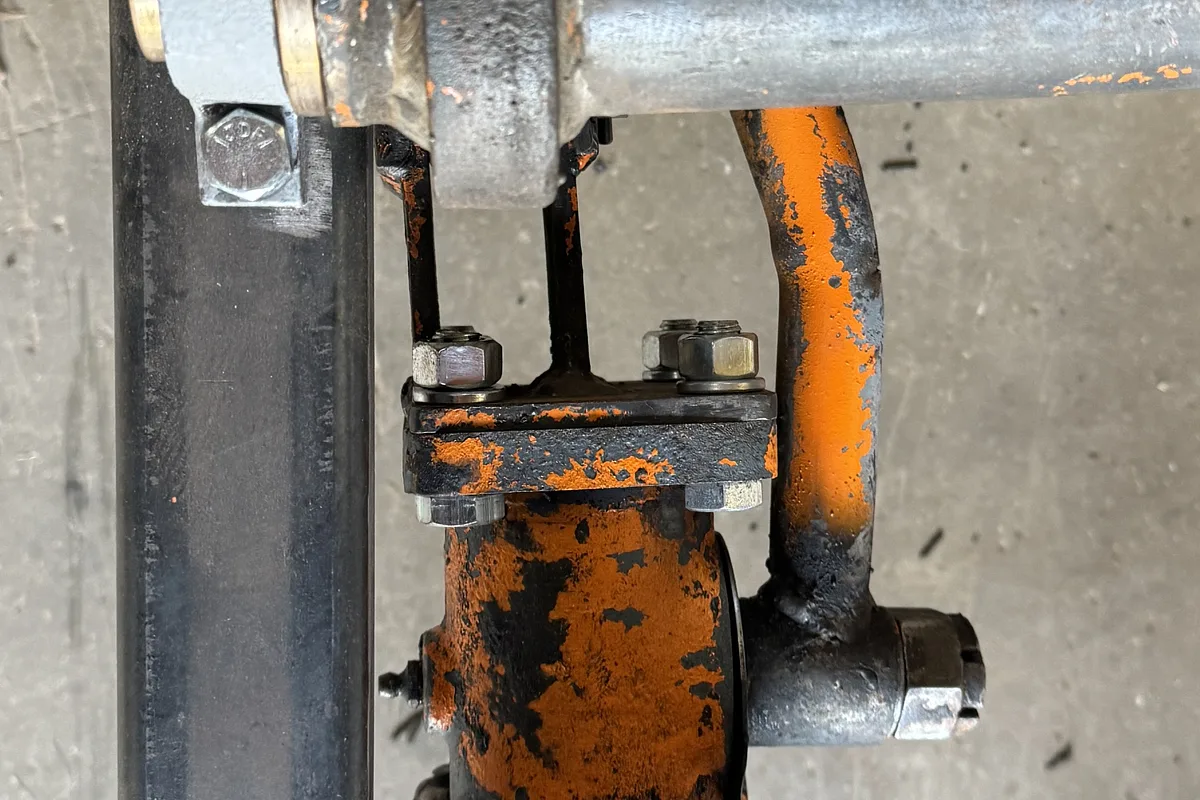
The search is over. Marty has finally found a new home. But before the restoration can begin, it's time to discover exactly what decades of hard work have left behind.

The Man Behind the Name

5 photos ▶ video
Build clip


The Man Behind the Name

Timeline: Early 1950s
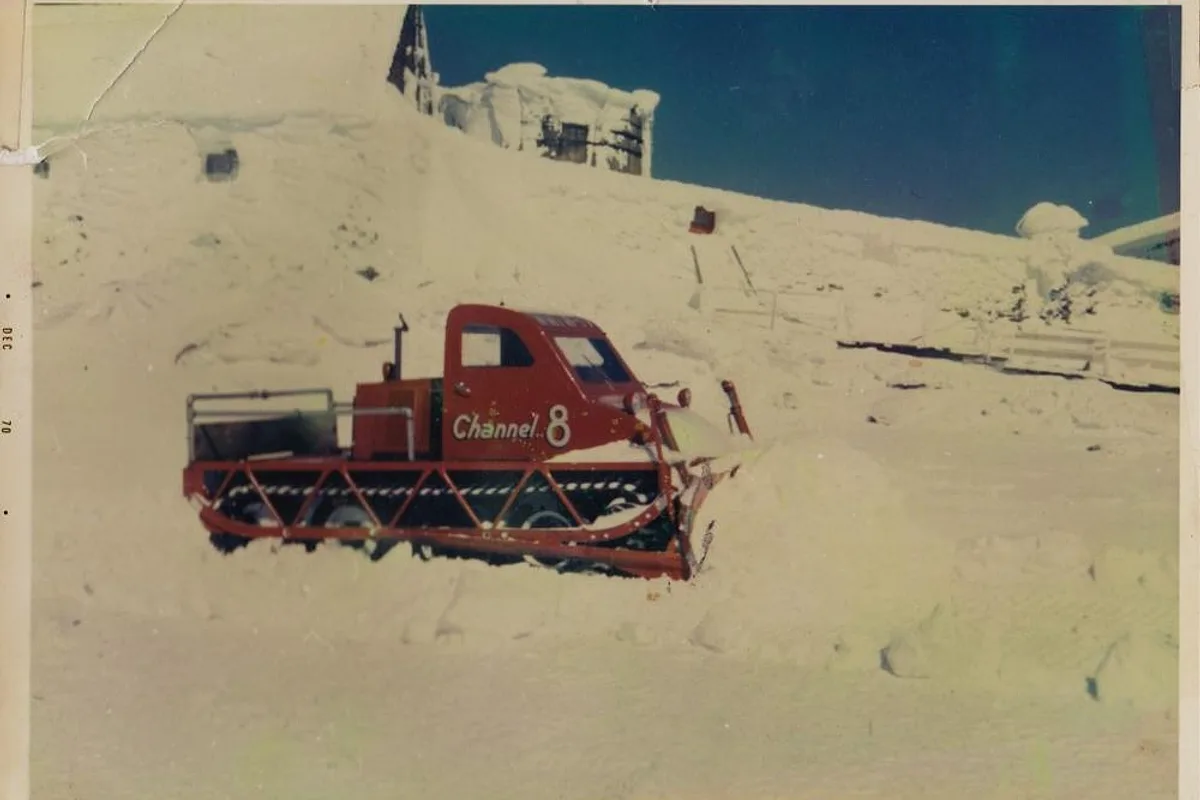
As I researched the faded WMTW lettering, I discovered that this machine had played an important role in the early days of television broadcasting on Mount Washington.
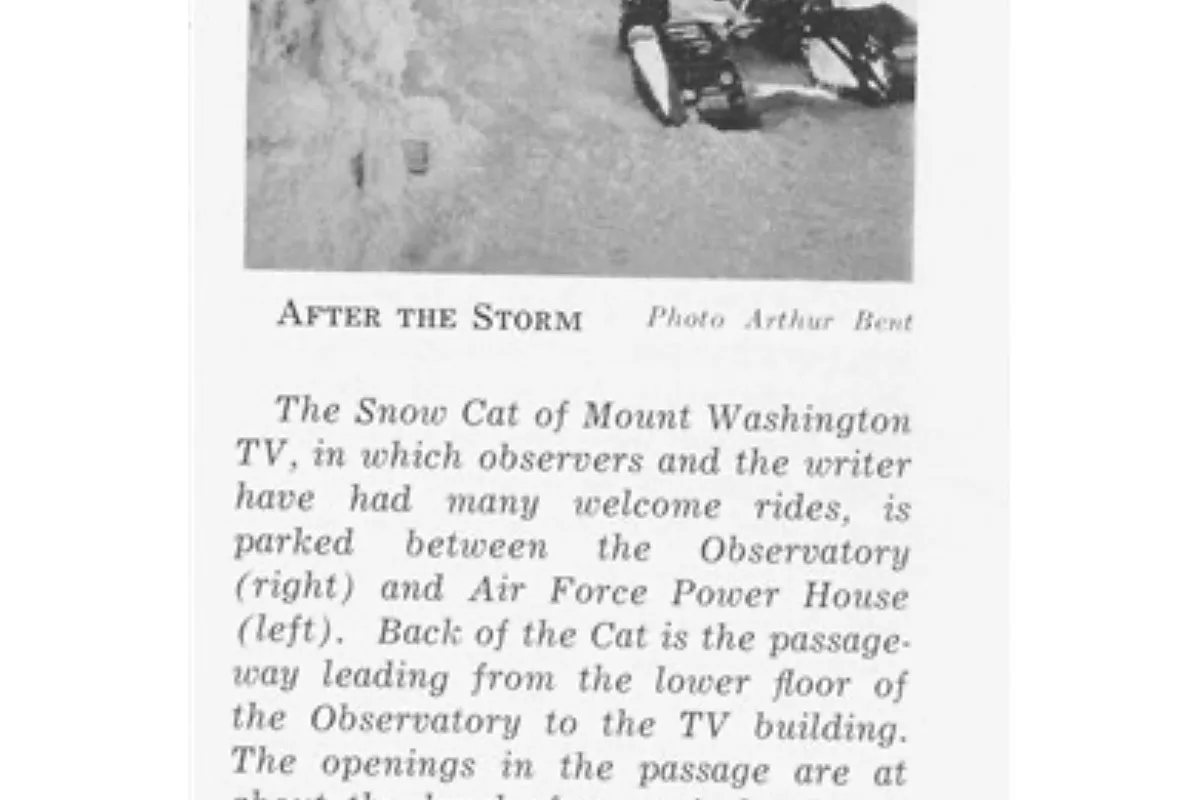
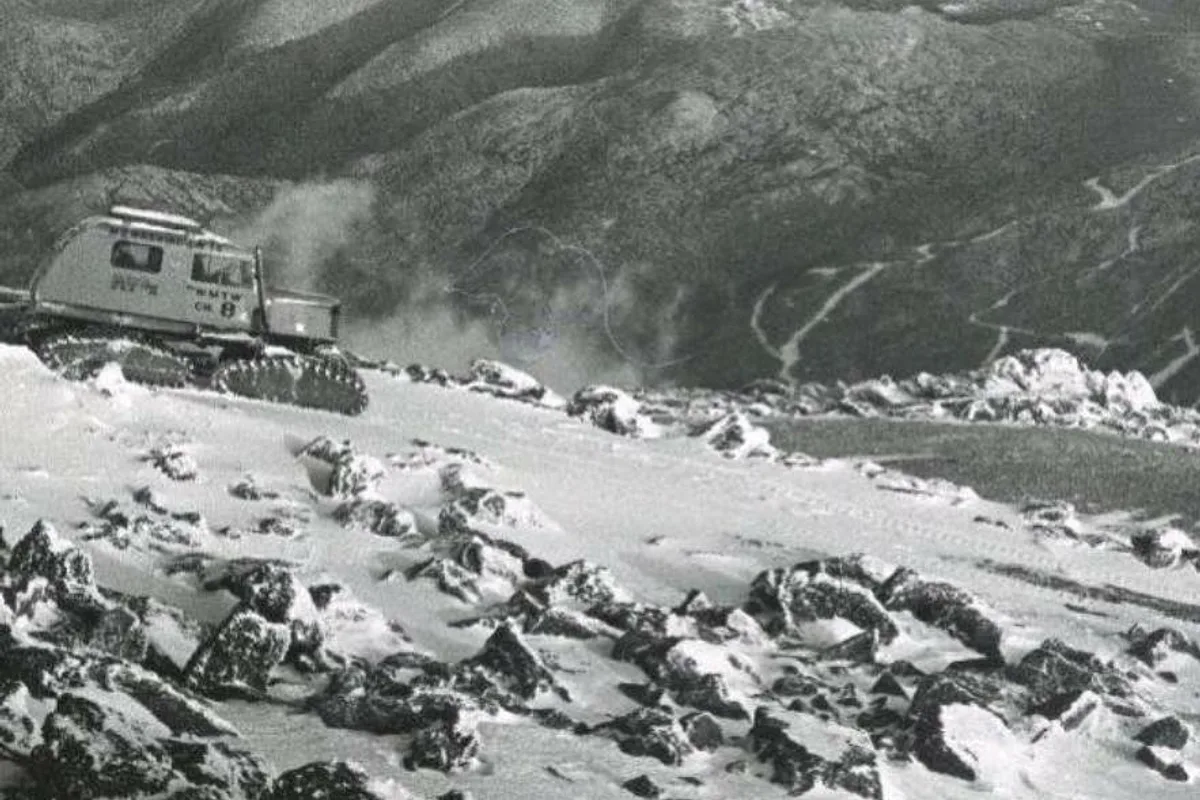
This Tucker Sno-Cat was used to transport WMTW engineers, equipment, and supplies to the summit, where one of the highest television transmitter sites in the Northeast was located. Long before modern access roads and specialized equipment, machines like this were the only reliable way to reach the mountaintop through deep snow and extreme winter conditions.
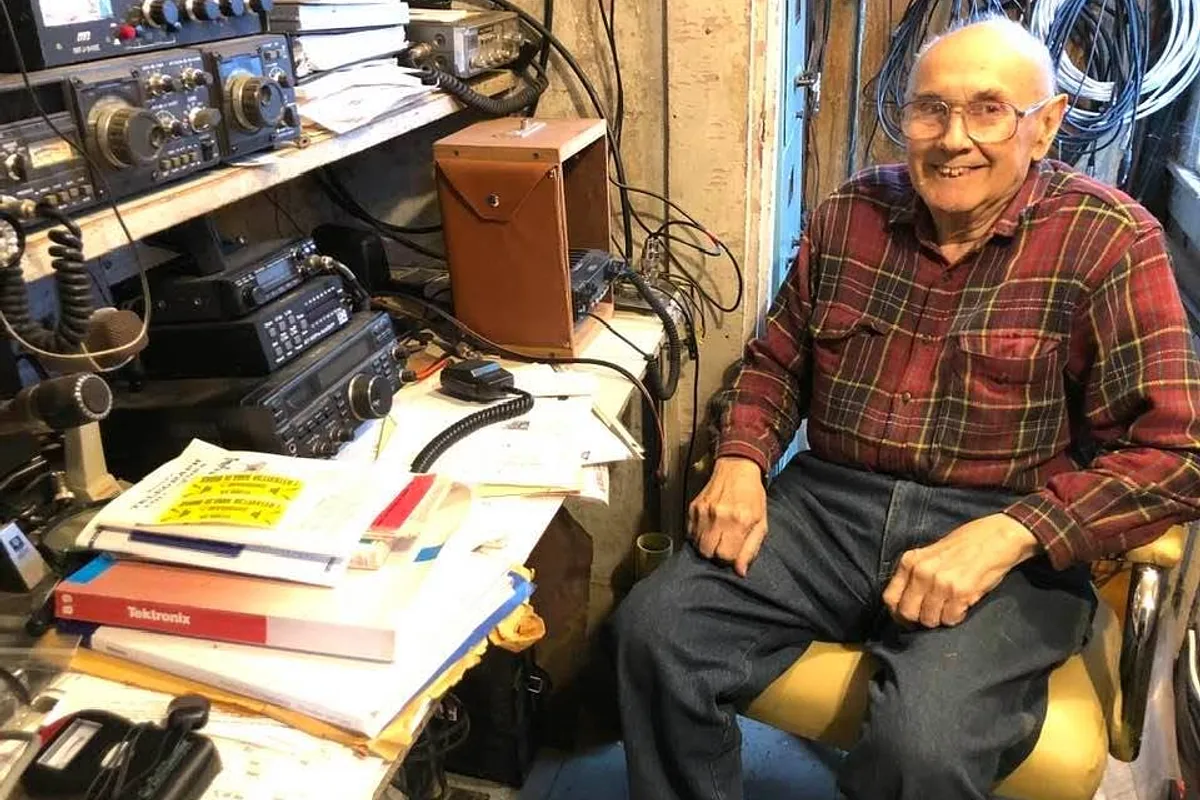
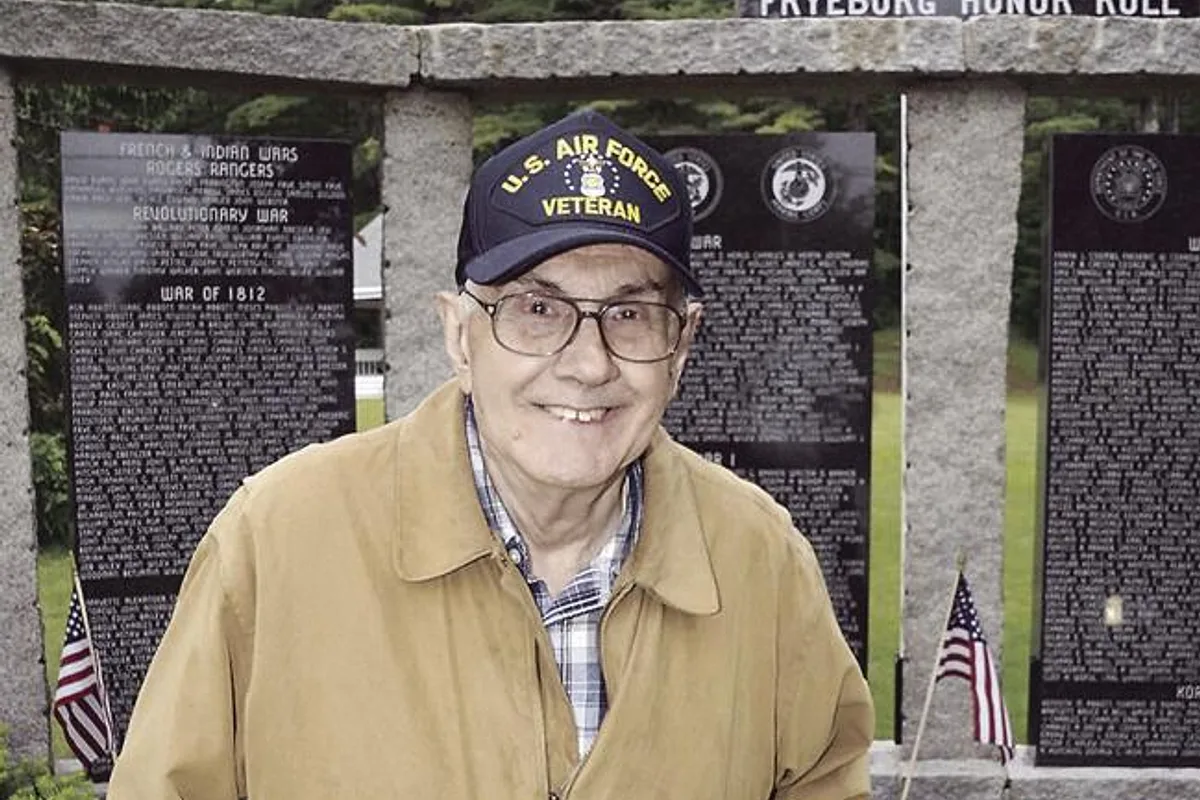
One of the engineers who regularly rode in this Tucker was Marty Engstrom. He became well known for his work keeping WMTW on the air under some of the harshest weather conditions imaginable. His dedication helped make television broadcasting from Mount Washington possible.
As I learned more about his story, I knew this machine deserved a name that honored both the man and the work it performed.
From that day forward, the Tucker became known simply as...
Marty.
Today, this restoration isn't just about bringing an old machine back to life. It's about preserving the story of the people who depended on it and making sure their contributions are never forgotten.


Coming Up Next
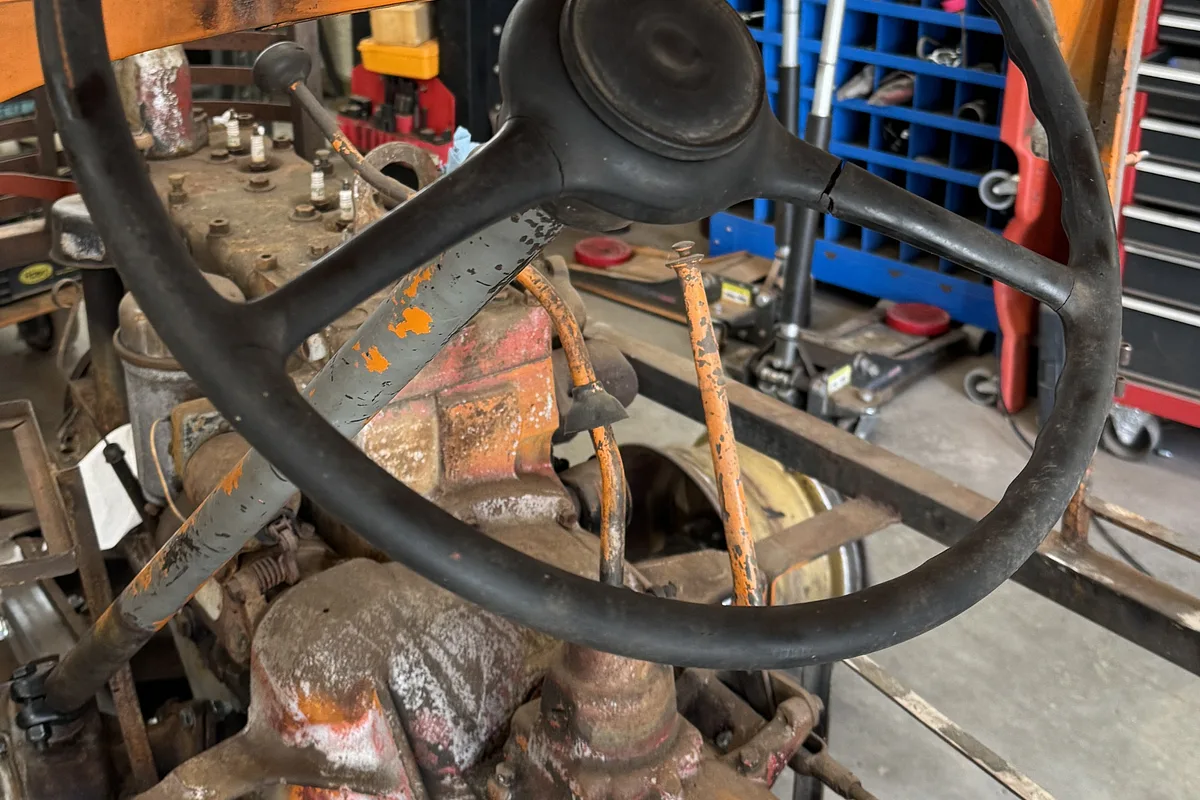
Who would take on the challenge of saving such an important machine? Next, meet the steward whose lifelong passion for Tucker Sno-Cats made Marty's rescue possible.
Gallery

Steward Legacy Builds

Pride in Ownership. Documented for Life.

Preserving the stories, the people, and the history these machines represent — one honest restoration at a time.